
BP Raises $1.06 Billion From Aker BP Stake Sale as Debt Reduction Strategy Accelerates
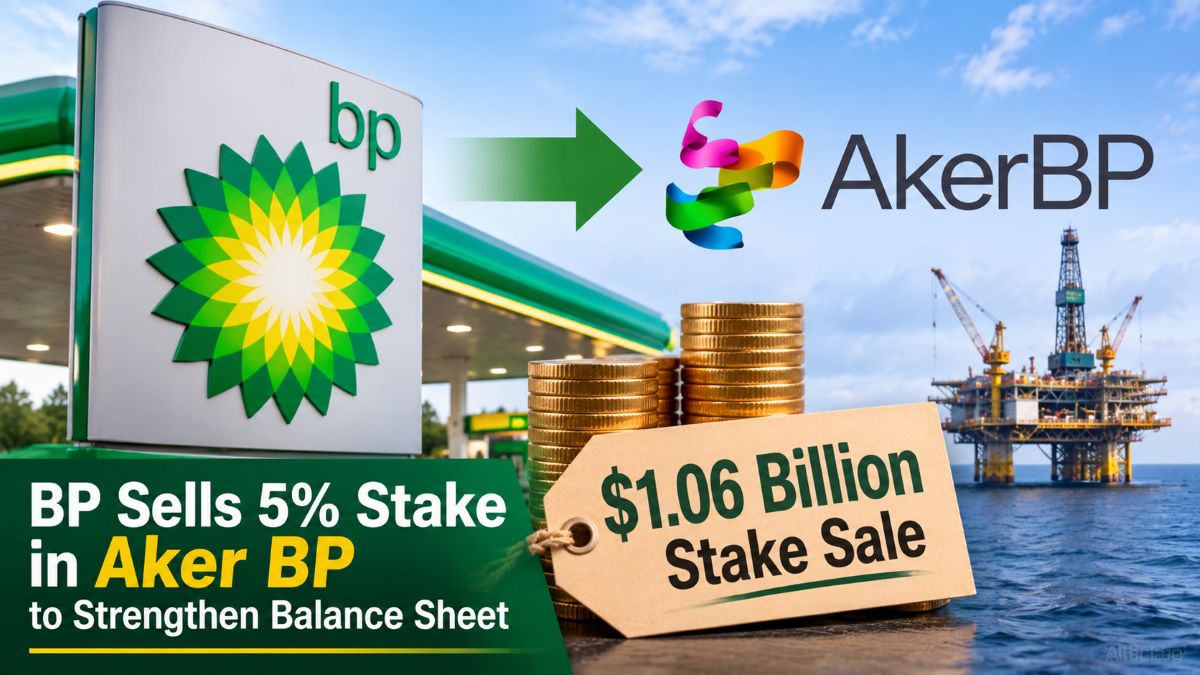
British energy giant BP has raised approximately $1.06 billion by selling part of its ownership in Norwegian oil and gas producer Aker BP, marking another significant step in its ongoing financial restructuring strategy. The transaction reflects BP’s efforts to strengthen its balance sheet, reduce financial obligations, and simplify its business portfolio.
The sale, completed on November 5, 2026, involved approximately 31.6 million Aker BP shares at NOK 311 per share. Following the transaction, BP retains approximately 10.9% ownership in the Norwegian energy company.
The decision comes as stronger energy prices and favorable market conditions have supported the value of North Sea oil and gas operations. For BP, converting part of its investment into cash provides additional financial flexibility while allowing it to maintain exposure to the Norwegian energy market.
BP Completes $1.06 Billion Aker BP Share Sale
BP successfully sold approximately 5 percentage points of its existing ownership in Aker BP, generating gross proceeds of NOK 9.83 billion, equivalent to approximately $1.06 billion.
Before the transaction, BP held a 15.9% interest in the Norwegian producer. After selling approximately 31.6 million shares, its remaining ownership declined to around 10.9%, representing approximately 68.7 million shares.
The shares were sold at NOK 311 each through a transaction managed by Barclays and DNB Carnegie.
The placement price represented a discount of approximately 12% compared with Aker BP’s previous closing share price of NOK 354 on the Oslo stock exchange.
BP has also agreed to a 90-day lock-up period covering its remaining shares, subject to customary exemptions. This means the company has committed not to sell those shares during the restricted period except under permitted circumstances.
The proceeds will be used to strengthen BP’s balance sheet and support its broader financial priorities.
Why BP Is Selling Part of Its Aker BP Investment
BP’s decision reflects a wider strategy to simplify its operations and improve its financial position.
The company has been reviewing its global portfolio to identify assets that can be sold without significantly weakening its core business. Management is seeking to improve capital allocation, reduce debt, and focus on operations that can generate sustainable returns.
Selling part of its Aker BP investment allows BP to unlock substantial cash while retaining a meaningful ownership position in an established Norwegian energy producer.
This approach offers two advantages. First, the transaction generates immediate financial proceeds. Second, BP maintains some exposure to the future performance of Aker BP.
The decision also comes at a favorable time for the Norwegian producer, as higher oil and gas prices have supported its business performance and investor interest.
For BP, the transaction is therefore both a portfolio management decision and a balance-sheet strengthening measure.
BP’s Divestment Strategy Gains Momentum in 2026
The latest transaction is part of a broader restructuring program involving several business units and investments.
BP has been pursuing asset disposals to generate cash, reduce financial pressure, and create a more focused corporate structure.
The company now expects its full-year 2026 divestment and other proceeds to reach approximately $9 billion, around $1 billion above its previous guidance.
This improved outlook demonstrates the growing contribution of asset sales to BP’s financial restructuring efforts.
Another major development came earlier in November when BP completed the sale of a 65% controlling interest in its Castrol lubricants business to investment firm Stonepeak for approximately $6 billion in after-tax proceeds. As explained in our previous coverage of the BP Castrol sale and Stonepeak’s acquisition, the transaction represents another important step in the company’s efforts to simplify its portfolio and strengthen its financial position.
Together, these transactions highlight how BP is using strategic disposals to generate liquidity while reconsidering the structure of its global energy operations.
How Higher Energy Prices Supported the Transaction
Market conditions have played an important role in the timing of the transaction.
Aker BP operates primarily on the Norwegian continental shelf, one of Europe’s important oil and gas production regions. Its operations benefit from access to European energy markets and exposure to international commodity prices.
During 2026, geopolitical tensions in the Middle East contributed to volatility in global energy markets. Concerns about supply disruptions supported oil and gas prices, while European natural gas prices experienced particularly strong movements.
These conditions helped create a favorable environment for energy producers with significant exposure to the European market.
Aker BP’s operating performance and improved market environment contributed to increased investor interest in the company.
BP’s decision to sell part of its holding allowed it to realize value from an investment that had benefited from these market developments.
However, the transaction price also reflects the discount required to place a large block of shares with investors.
What Is Aker BP and Why Is It Important to Norway’s Energy Industry?
Aker BP is one of the leading independent oil and gas companies operating on the Norwegian continental shelf.
The company was established in 2016 when BP combined its Norwegian upstream operations with Det norske oljeselskap, a company associated with Norwegian industrial investor Kjell Inge Røkke.
Since its formation, Aker BP has developed a substantial presence in offshore oil and gas exploration and production.
Its operations are strategically important because Norway remains a major supplier of energy to European markets.
The company focuses on developing offshore resources, improving production efficiency, and using technology to optimize operations.
Its position in the Norwegian energy industry makes it an important investment for shareholders seeking exposure to oil and gas production in a politically stable European market.
BP’s decision to retain approximately 10.9% ownership means it will continue to benefit from potential future developments in the business.
What the Transaction Means for BP’s Financial Position
The $1.06 billion proceeds provide BP with additional financial flexibility at a time when management is prioritizing balance-sheet strength.
Large energy companies often maintain substantial financial commitments related to exploration, production, infrastructure development, environmental obligations, and shareholder distributions.
Reducing debt can help a company lower financing costs, improve financial flexibility, and create greater capacity to invest in strategic projects.
For BP, the latest transaction adds to the proceeds expected from its broader asset disposal program.
However, selling valuable investments also involves trade-offs. BP will have a smaller ownership position in Aker BP and will consequently receive a reduced share of any future dividends or potential appreciation associated with the shares sold.
The long-term benefit will depend on how effectively management uses the proceeds to improve the company’s financial position.
Potential Impact on Investors and the European Energy Market
The transaction could attract attention from investors following both BP and Aker BP.
For BP shareholders, the sale provides additional cash and supports the company’s stated objective of strengthening its balance sheet.
However, investors will also consider the financial contribution that BP is giving up by reducing its ownership in a profitable energy producer.
For Aker BP, the placement introduces a substantial block of shares into the market and reduces BP’s influence as a shareholder.
The company’s operational outlook will continue to depend on production performance, commodity prices, project development, and operating costs.
More broadly, the transaction illustrates how major energy companies are adjusting their investment portfolios in response to changing market conditions and financial priorities.
Energy producers are increasingly evaluating which assets should remain central to their operations and which investments can be monetized to support other strategic objectives.
What Investors Should Watch Next
Several developments could influence the future financial outlook of both companies.
1. BP’s Debt Reduction Progress
Investors will want to see whether the proceeds from asset disposals translate into measurable improvements in BP’s financial position.
2. Future Asset Sales
BP’s ability to achieve its approximately $9 billion divestment and other proceeds outlook for 2026 will remain an important indicator of its restructuring progress.
3. Aker BP’s Production Performance
Production levels, operating efficiency, and project development will influence the Norwegian company’s future earnings potential.
4. Global Oil and Gas Prices
Changes in international commodity prices could affect revenue, profitability, and investor sentiment across the energy industry.
5. BP’s Remaining Ownership
The 90-day lock-up on BP’s remaining Aker BP shares will be an important consideration for investors monitoring the company’s future portfolio decisions.
Conclusion: BP Uses Another Major Asset Sale to Strengthen Its Balance Sheet
BP’s decision to sell part of its Aker BP investment for approximately $1.06 billion represents another important milestone in its financial restructuring program.
By reducing its ownership from 15.9% to approximately 10.9%, the British energy company has converted part of its investment into cash while maintaining a meaningful connection to Norway’s oil and gas industry.
The transaction also demonstrates how favorable energy market conditions can create opportunities for companies seeking to unlock value from existing investments.
With its broader divestment proceeds now expected to reach approximately $9 billion in 2026, BP is making progress toward its goal of building a simpler and financially stronger business.
The next challenge will be turning these proceeds into lasting improvements in financial performance, debt management, and shareholder value.
Disclaimer: This article is for informational and educational purposes only. It does not constitute financial or investment advice or a recommendation to buy or sell any security.
