
Introduction
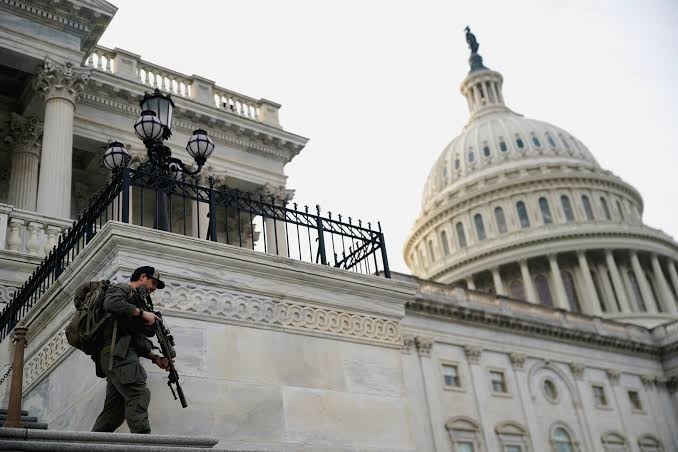
The U.S. House of Representatives has passed another war-powers resolution seeking to restrict continued U.S. military action against Iran. The latest vote highlights an ongoing debate in Washington over the scope of presidential military authority and Congress’s constitutional role in decisions involving war. The resolution reflects growing concerns among some lawmakers about the continuation of military operations without specific approval from Congress. Supporters argue that Congress should have a greater say in decisions involving prolonged military engagements, particularly when American troops are deployed in conflict zones. The measure also raises questions about the limits of executive power and the legal procedures required to authorize military action.
The House’s decision comes amid continued tensions between the United States and Iran, with military operations creating political, security, and financial challenges. Lawmakers remain divided over the administration’s approach, the potential risks to American personnel, and the broader consequences of continued involvement in the region. While the resolution represents an important congressional effort to address these concerns, its passage in the House does not automatically end U.S. military operations against Iran. Further legislative action and discussions with the Senate and the administration may be necessary. The development has attracted attention because it underscores the continuing debate over war powers, national security, and the constitutional responsibilities of the U.S. government.
What Happened?
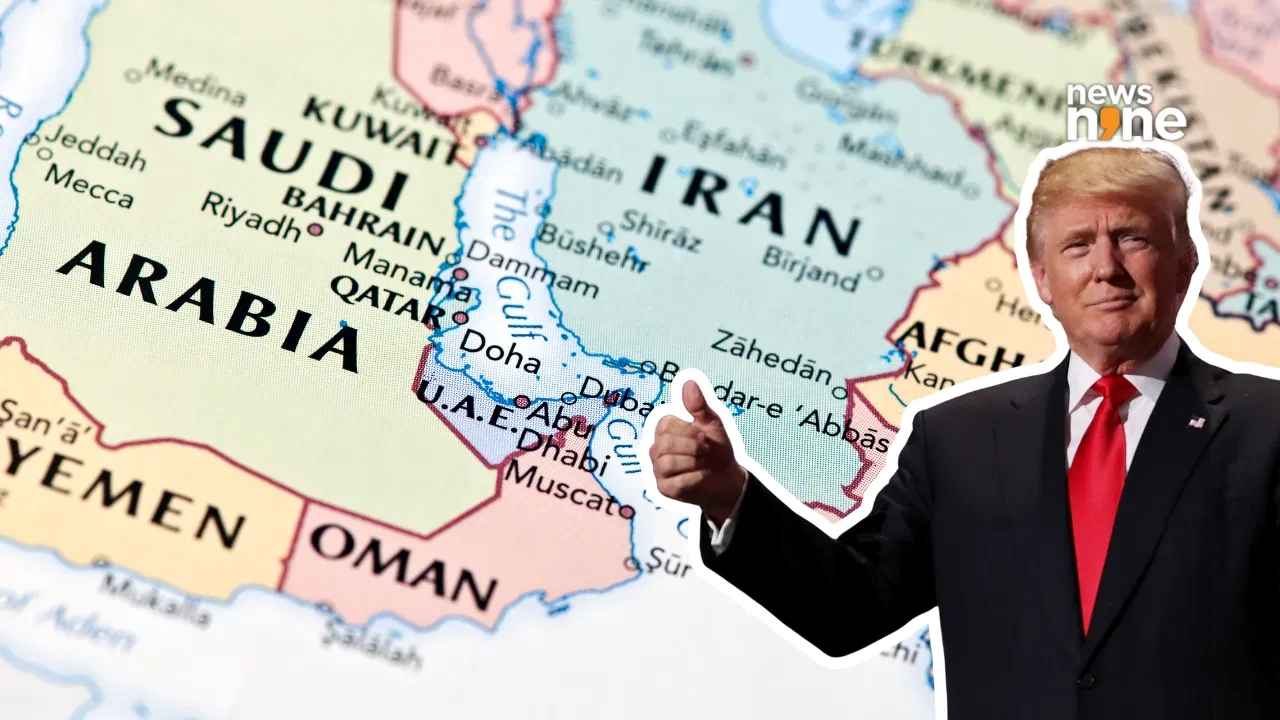
The U.S. House of Representatives passed the latest war-powers resolution in a vote of 220–204, marking another congressional effort to place limits on continued U.S. military involvement in the conflict with Iran. All voting Democrats supported the measure, along with seven Republicans, showing that the issue has received some bipartisan support in the House.
The resolution focuses on the authority of the executive branch to continue military operations without additional authorization from Congress. Supporters of the measure argue that Congress has an important constitutional role in decisions involving war and prolonged military engagements. They say lawmakers should have greater oversight when U.S. forces remain involved in an active conflict.
The latest vote is also part of a series of congressional attempts to address the administration’s military actions involving Iran. Previous efforts have similarly sought to use the War Powers Resolution to limit or end U.S. involvement in hostilities.
However, the House vote does not immediately stop U.S. military operations. The measure must go through additional legislative steps before it could impose binding restrictions. Its future will depend on what happens in the Senate and whether the administration accepts or challenges the measure.
The vote also highlights divisions within Congress over U.S. military policy toward Iran. While most Republicans voted against the resolution, seven Republicans supported it alongside Democrats.
Overall, the House action adds to the continuing debate over presidential authority, congressional war powers, military involvement, and U.S. policy toward Iran.
What Is the War-Powers Resolution?
A war-powers resolution is a congressional mechanism designed to address the president’s authority to use U.S. armed forces in situations involving military conflict. It is connected to the War Powers Resolution of 1973, a federal law intended to strengthen Congress’s role in decisions involving the deployment of American troops.
Under the War Powers Resolution, the president is generally expected to notify Congress when U.S. forces are introduced into hostilities or situations where hostilities may be imminent. The law also establishes procedures and time limits related to continued military involvement when Congress has not provided authorization.
In the latest Iran-related resolution, lawmakers are seeking to use these congressional powers to restrict continued U.S. military involvement in hostilities involving Iran. The measure calls for U.S. forces to be removed from the conflict unless Congress provides authorization for continued military action.
The purpose of such a resolution is to give Congress a formal mechanism for challenging or limiting military operations conducted by the executive branch. It reflects the constitutional principle that decisions involving war powers are shared between Congress and the president.
However, passing a resolution in the House does not automatically end a military operation. The measure must go through the remaining legislative process, and questions about its legal effect can also arise depending on the specific wording and circumstances.
The debate surrounding the resolution therefore involves more than the Iran conflict itself. It also concerns the balance of power between Congress and the presidency, congressional oversight, and the legal authority for continuing U.S. military operations abroad.
Why Did the House Take This Action?
Supporters of the resolution have argued that prolonged U.S. military operations should require clear authorization from Congress. Their position is based on the view that Congress has a constitutional role in decisions involving war and the continued deployment of American forces in active conflicts.
The issue has also raised broader questions about the balance of power between the White House and Congress. The U.S. Constitution gives Congress several important powers related to war, while the president serves as commander in chief of the armed forces. Disagreements can arise when a president conducts extended military operations without a new, specific authorization from Congress.
The House resolution reflects continuing disagreement over how long U.S. military operations against Iran can continue without additional congressional approval. Supporters say the measure would give lawmakers greater oversight and create a formal process for addressing continued military involvement.
Another concern involves the potential consequences of a prolonged conflict. Continued military operations can involve financial costs, risks to U.S. service members, and wider regional security concerns. These issues have contributed to the congressional debate over whether additional authorization should be required.
At the same time, opponents of the resolution have argued that the administration needs flexibility to respond to security threats and protect U.S. personnel and interests in the region.
The House action therefore represents a broader disagreement over military authority, congressional oversight, national security, and the appropriate limits of presidential power. The debate is expected to continue as lawmakers consider the future of U.S. involvement in the Iran conflict.
Bipartisan Support in the House
The latest war-powers resolution received support from lawmakers across both major political parties in the U.S. House of Representatives. While all voting Democrats supported the measure, seven Republicans also voted in favor. The bipartisan vote indicates that some members of both parties share concerns about the continuation of U.S. military operations involving Iran and the role Congress should play in authorizing extended military action.
The participation of Republican lawmakers is significant because the issue does not fall entirely along traditional party lines. Members of Congress can have different views about presidential authority, military strategy, congressional oversight, and the legal requirements for continuing hostilities.
Republican supporters of the resolution have joined Democrats in seeking greater congressional involvement in decisions concerning the continued deployment of U.S. forces. Their votes demonstrate that there are differing views within the Republican Party regarding how the administration should handle the Iran conflict and how much authority Congress should exercise over military operations.
However, the bipartisan support does not mean that lawmakers agree on the broader U.S. policy toward Iran. Members who supported the resolution may have different reasons for doing so, including concerns about constitutional authority, military involvement, or congressional oversight.
The vote therefore provides a clearer picture of the divisions surrounding the issue. Rather than being strictly a party-line debate, the House discussion includes disagreements both between and within the two major political parties.
The bipartisan votes also highlight the continuing importance of congressional war powers and the debate over how responsibility for major military decisions should be shared between the president and Congress.
Financial Cost of the Conflict
The Iran conflict has also created significant financial costs for the United States. Military operations require funding for personnel, weapons, aircraft, naval forces, logistics, intelligence, equipment, and the protection of U.S. bases and personnel in the region.
According to an estimate from the Congressional Budget Office (CBO), the conflict had cost the United States approximately $38 billion through July. The figure reflects spending associated with the military response and related operations during the conflict.
The financial burden could continue to increase if military operations remain active. The CBO estimated that additional costs could reach approximately $2 billion to $3 billion per month, depending on the intensity and duration of the fighting. The actual cost could vary based on changes in military activity, the number of U.S. forces deployed, the use of weapons and equipment, and other operational requirements.
The growing cost has become part of the broader congressional discussion surrounding U.S. involvement in Iran. Lawmakers are considering not only the military and security implications of the conflict but also its impact on federal spending and the national budget.
The financial costs also extend beyond immediate military operations. Replacing equipment, replenishing weapons, supporting deployed personnel, and maintaining regional defenses can create additional expenses over time.
As the conflict continues, the total financial impact will depend on how long U.S. forces remain involved and the scale of future operations. The $38 billion estimate through July therefore provides an important reference point, while future spending could change significantly depending on developments in the conflict.
Will the Vote End the War?
The House vote does not automatically end U.S. military operations against Iran. Passing the war-powers resolution in the House is an important congressional action, but it is only one stage of the legislative process. The measure would need to go through additional steps before it could potentially have a direct effect on U.S. military operations.
The resolution would need to be considered by the U.S. Senate, where lawmakers would have to decide whether to advance or reject the measure. The outcome in the Senate could determine whether the resolution moves further through Congress.
Even if the measure passes both chambers, additional legal and constitutional questions could arise regarding its implementation and the president’s authority as commander in chief. The administration could also challenge the interpretation or legal effect of the resolution.
For this reason, the House vote should not be viewed as an immediate order for U.S. forces to leave the conflict. Instead, it represents Congress’s attempt to exercise its war-powers authority and place limits on continued military involvement without additional authorization.
The situation could also change depending on developments in the Iran conflict, negotiations between the administration and Congress, and future decisions by lawmakers.
The vote therefore adds another step to the ongoing debate over U.S. military involvement in Iran. Whether it ultimately affects military operations will depend on the Senate, the administration, the remaining legislative process, and potential legal challenges.
What Happens Next?
The next stage will depend largely on the U.S. Senate and on discussions between Congress and the administration. The House vote has moved the issue forward, but it does not by itself determine the future of U.S. military operations involving Iran.
The Senate may consider whether to take up the resolution and what action to take. At the same time, lawmakers and administration officials may continue discussions over the legal authority for military operations and the appropriate role of Congress in decisions involving the conflict.
Several major issues are expected to remain at the center of the debate:
- Presidential war powers: Lawmakers will continue discussing the extent of the president’s authority to conduct military operations without additional congressional authorization.
- Congressional authorization: Congress may debate whether continued military action requires a specific authorization from lawmakers.
- U.S. military involvement in Iran: The future scale and duration of U.S. military operations will remain an important issue as the conflict develops.
- Financial cost: The cost of maintaining military operations could influence discussions about federal spending and the long-term consequences of the conflict.
- Safety of U.S. troops and allies: Lawmakers will also consider the risks faced by American service members, U.S. facilities, and regional allies.
The situation remains subject to further congressional action and developments on the ground. The coming stages could provide a clearer indication of how Congress and the administration will address the legal, military, and financial questions surrounding U.S. involvement in Iran.
Key Takeaway
The latest House vote represents another important development in the ongoing debate over U.S. military action against Iran. By passing the war-powers resolution, the House has once again raised questions about the legal authority for continued military operations and the role Congress should play in decisions involving prolonged conflict.
The vote also highlights the continuing discussion over the balance of power between the president and Congress. While the administration has authority over military operations as commander in chief, Congress has constitutional responsibilities related to war and military funding. The latest resolution reflects lawmakers’ efforts to exercise those responsibilities and seek greater oversight of U.S. involvement in the conflict.
The financial cost of the conflict, the safety of U.S. troops and allies, and the potential consequences of continued military operations are also expected to remain important parts of the debate.
However, the House vote alone does not end the conflict or immediately withdraw U.S. forces from Iran. Further action in the Senate, discussions with the administration, and possible legal questions could determine what happens next.
Overall, the development shows that the debate over U.S. military involvement, presidential war powers, congressional authorization, national security, and the financial cost of the conflict remains active as lawmakers consider the future of American military operations involving Iran.
