


Table of Contents
ToggleWildlife Safari Adventures Across India
India is not only a land of culture, history, and landscapes—it is also one of the most biologically diverse countries in the world. From dense tropical forests and vast grasslands to wetlands and high-altitude ecosystems, India offers a wide range of habitats that support an incredible variety of wildlife.
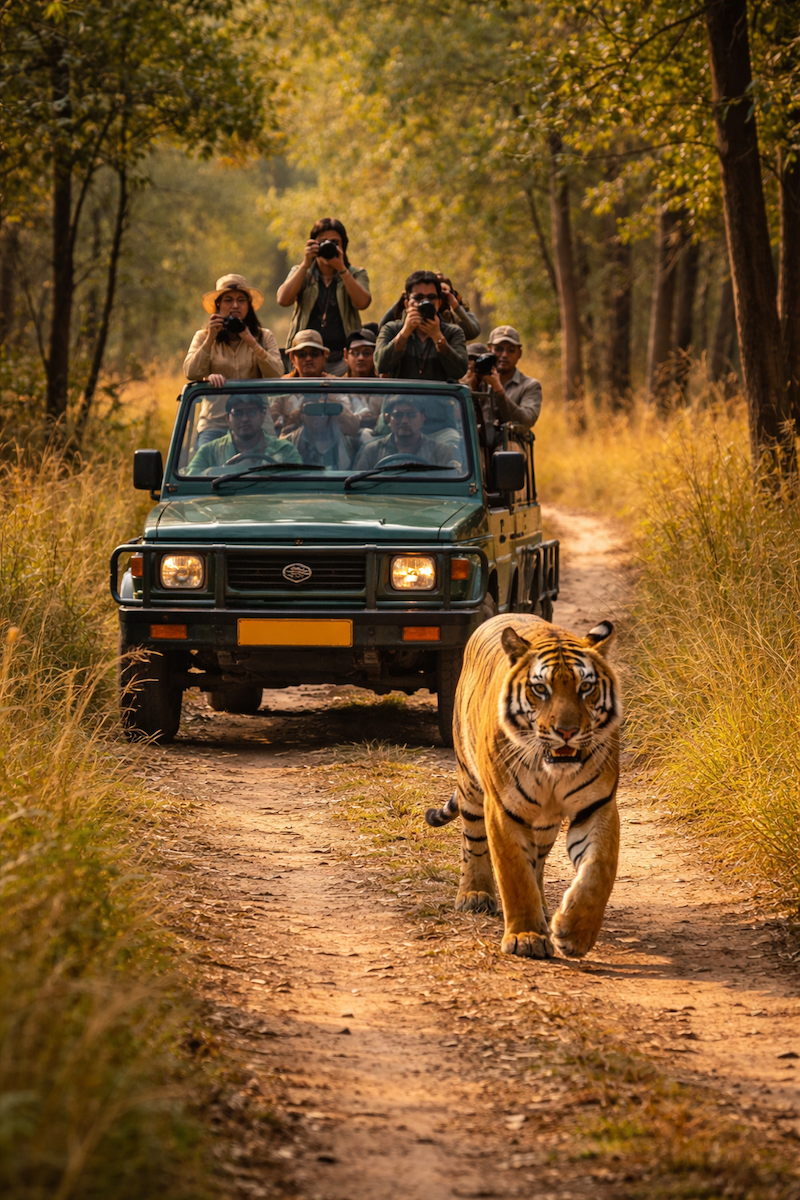
Wildlife safaris in India are more than just a chance to spot animals; they are immersive experiences that connect you with nature. Whether it’s the thrill of seeing a tiger in the wild, the calm of watching birds by a wetland, or the excitement of exploring a jungle trail, every safari offers something unique.
In this guide, we will explore the best wildlife safari destinations across India, what makes each one special, and how you can make the most of your adventure.
The Richness of India’s Wildlife
India is home to:
-
Over 100 national parks
-
More than 500 wildlife sanctuaries
-
A wide variety of species, including tigers, elephants, lions, leopards, rhinos, and countless birds
This diversity is due to the country’s varied geography and climate. Each region offers a different kind of wildlife experience, making India a top destination for nature lovers and wildlife enthusiasts.
Types of Wildlife Safaris in India
Before exploring specific destinations, it’s helpful to understand the types of safaris available.
1. Jeep Safaris
These are the most popular and flexible safaris. Open or closed jeeps take visitors deep into forest areas, guided by trained experts.
2. Canter Safaris
Larger vehicles that accommodate more people, often used in popular parks.
3. Elephant Safaris
Available in select areas, these safaris offer a unique perspective, especially in dense forests.
4. Boat Safaris
In wetland and river-based parks, boat safaris provide opportunities to see aquatic life and birds.
5. Walking Safaris
Guided walks allow visitors to explore nature up close, focusing on smaller details like plants, insects, and tracks.
Each type of safari offers a different experience, and choosing the right one depends on your interests.
Jim Corbett National Park: India’s Oldest National Park
Located in Uttarakhand, Jim Corbett National Park is one of the most famous wildlife destinations in India. Established in 1936, it is known for its rich biodiversity and historical significance.
What Makes It Special?
-
Home to the Bengal tiger
-
Diverse landscapes including forests, rivers, and grasslands
-
A wide variety of bird species
Safari Experience
Corbett offers jeep and canter safaris, taking visitors through different zones of the park. Each zone has its own unique ecosystem.
Ideal For
-
First-time safari travelers
-
Bird watchers
-
Those interested in a mix of wildlife and scenery
Ranthambore National Park: The Land of Tigers
Ranthambore, located in Rajasthan, is one of the best places in India to spot tigers in the wild.
What Makes It Unique?
-
High chances of tiger sightings
-
Historic ruins within the park
-
Open landscapes that make wildlife spotting easier
Safari Experience
The park’s terrain includes lakes, forests, and ancient structures, creating a dramatic setting for safaris.
Ideal For
-
Wildlife photographers
-
Travelers focused on tiger sightings
-
Those who enjoy a mix of history and nature
Kaziranga National Park: Home of the One-Horned Rhino
Located in Assam, Kaziranga is a UNESCO World Heritage Site and one of the most important wildlife reserves in India.
What Makes It Special?
-
Largest population of one-horned rhinoceroses
-
Rich biodiversity including elephants, tigers, and birds
-
Unique floodplain ecosystem
Safari Experience
Visitors can explore the park through jeep and elephant safaris, offering close encounters with wildlife.
Ideal For
-
Wildlife enthusiasts
-
Bird watchers
-
Travelers interested in unique ecosystems
Gir National Park: The Last Home of Asiatic Lions
Gir, located in Gujarat, is the only place in the world where Asiatic lions can be found in the wild.
What Makes It Unique?
-
Exclusive habitat of Asiatic lions
-
Dry deciduous forest landscape
-
Rich variety of other wildlife species
Safari Experience
Jeep safaris provide opportunities to observe lions and other animals in their natural habitat.
Ideal For
-
Travelers interested in rare species
-
Wildlife lovers seeking unique experiences
Sundarbans National Park: The Mangrove Wilderness
The Sundarbans, located in West Bengal, is one of the most unique wildlife destinations in the world. It is a vast network of mangrove forests and waterways.
What Makes It Special?
-
Home to the Royal Bengal tiger
-
Unique mangrove ecosystem
-
Rich bird and aquatic life
Safari Experience
Boat safaris are the primary way to explore the Sundarbans, offering a different perspective compared to land-based safaris.
Ideal For
-
Adventure seekers
-
Nature lovers
-
Those looking for something different
Bandhavgarh National Park: High Tiger Density
Bandhavgarh, located in Madhya Pradesh, is known for having one of the highest densities of tigers in India.
What Makes It Unique?
-
Excellent chances of tiger sightings
-
Rich forest landscape
-
Historical ruins within the park
Safari Experience
Jeep safaris take visitors through dense forests and open meadows, increasing the chances of spotting wildlife.
Ideal For
-
Tiger enthusiasts
-
Wildlife photographers
Periyar Wildlife Sanctuary: A Blend of Forest and Water
Located in Kerala, Periyar offers a unique wildlife experience with its combination of forest and lake ecosystems.
What Makes It Special?
-
Scenic lake at the center of the park
-
Elephant sightings
-
Opportunities for boat safaris
Safari Experience
Boat rides allow visitors to observe animals coming to the water, creating a peaceful and scenic experience.
Ideal For
-
Nature lovers
-
Travelers seeking a relaxed safari experience
Kanha National Park: Inspiration for “The Jungle Book”
Kanha, also in Madhya Pradesh, is one of India’s most well-maintained national parks and is believed to have inspired Rudyard Kipling’s The Jungle Book.
What Makes It Unique?
-
Beautiful grasslands and forests
-
Conservation success stories
-
Rich variety of wildlife
Safari Experience
The park’s well-managed safari system ensures a smooth and rewarding experience.
Ideal For
-
Families
-
First-time wildlife travelers
-
Those interested in conservation
Best Time for Wildlife Safaris in India
Timing plays a crucial role in wildlife sightings.
Winter (October to February)
-
Pleasant weather
-
Best for bird watching
Summer (March to June)
-
Higher chances of spotting animals near water sources
-
Can be hot but rewarding
Monsoon (July to September)
-
Many parks remain closed
-
Lush landscapes but limited access
Planning your safari during the right season increases your chances of a successful experience.
Tips for a Successful Safari
To make the most of your wildlife adventure, consider these tips:
1. Be Patient
Wildlife sightings are unpredictable. Patience is key.
2. Follow Guidelines
Always listen to guides and follow park rules for safety.
3. Stay Quiet
Silence increases your chances of spotting animals.
4. Dress Appropriately
Wear neutral-colored clothing to blend with the environment.
5. Carry Essentials
Bring water, binoculars, and a camera.
Responsible Wildlife Tourism
While safaris are exciting, it’s important to respect nature.
-
Do not disturb animals
-
Avoid littering
-
Support conservation efforts
-
Respect local communities
Responsible tourism ensures that these natural habitats are preserved for future generations.
The Emotional Experience of a Safari
A wildlife safari is not just about seeing animals—it’s about feeling connected to nature. The sound of rustling leaves, the sight of a deer crossing your path, or the moment you spot a tiger in the wild creates memories that stay with you forever.
It also offers a chance to slow down and appreciate the beauty of the natural world, something that is often overlooked in daily life.
Conclusion
Wildlife safari adventures across India offer a journey into the heart of nature. From the dense forests of central India to the wetlands of Assam and the mangroves of the Sundarbans, each destination provides a unique experience.
These safaris are not just about exploration—they are about understanding the delicate balance of ecosystems and the importance of conservation.
Whether you are a first-time traveler or an experienced explorer, India’s wildlife destinations promise unforgettable moments and a deeper connection with the natural world.
