


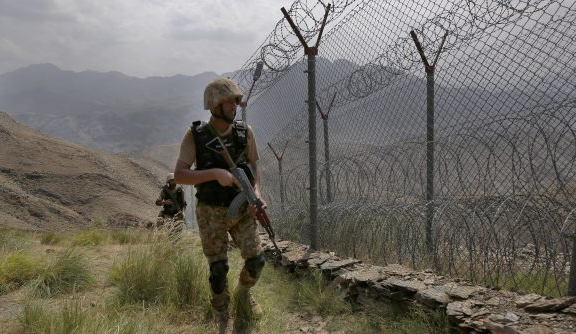
Deadly Clash and Reports of Strikes in Early October 2025
In early October 2025, a serious security incident near the Pakistan–Afghanistan border left dozens dead and raised fears of cross-border escalation. On October 8, Pakistani security forces carried out a raid in the Orakzai area of Khyber Pakhtunkhwa. The operation triggered a fierce fight that officials said killed multiple militants and soldiers. The next day, loud explosions were reported in parts of Kabul, prompting questions about whether the violence had crossed into Afghanistan.
Details from different reports vary. Pakistani authorities described the Orakzai operation as an intelligence-based action against militants who pose a threat inside Pakistan. Local accounts and militant statements said the attack on Pakistan’s troops began with roadside bombs and a follow-up gun assault. Casualty numbers given by official statements and militia claims differ, but the incident clearly resulted in significant loss of life and heightened tensions along the border.
Who Are the Main Actors?
The violence in question involves several key players:
Pakistan’s Security Forces
Pakistan’s military and paramilitary units regularly conduct operations in border districts. Their stated aim is to defeat armed groups that stage attacks inside Pakistan. These forces carry out raids and patrols in federally administered and tribal regions, often citing intelligence of militant hideouts.
Tehreek-e-Taliban Pakistan (TTP) and Allied Militants
The TTP is a Pakistan-based militant group that has carried out attacks inside Pakistan for years. The group and its splinter factions have used the border region as a base and sometimes cross into Afghanistan to seek refuge. The TTP has claimed responsibility for several high-profile attacks and remains a major security concern for Pakistan.
Afghan Authorities and Local Forces
Afghanistan’s government and local security forces have limited capacity in some border areas. In Kabul, authorities investigated reported explosions and sealed off the affected areas while stating they were looking into what happened.
Reports of Explosions in Kabul — Verified, but Unclear
On the evening of October 9, residents in parts of Kabul reported loud explosions. Some local statements suggested the blasts might have been airstrikes targeting militant leaders. Afghan officials said they were investigating and did not immediately confirm the cause or the extent of any damage.
At this stage, there are two important facts to keep in mind:
-
Explosions were heard and authorities began formal investigations.
-
Independent verification of an external strike — including who carried it out and whether specific targets were hit — was not immediately available.
Because early reports can be incomplete or conflicting, careful verification is needed before drawing firm conclusions about the origin and impact of these explosions.
Why This Situation Is Dangerous
Risk of Escalation
Cross-border strikes, whether carried out by air or short-range artillery, can quickly escalate tensions. If one state is perceived to have struck territory controlled by another, it may lead to diplomatic confrontation or retaliatory strikes. Border flare-ups have in the past triggered broader cycles of violence.
Civilian Harm and Displacement
Border areas and nearby towns are often home to civilians who may be caught in the violence. Past incidents in the region have caused civilian casualties and forced people to flee their homes. Even when strikes target militants, the risk to non-combatants and infrastructure is a pressing concern.
Regional and International Fallout
Fighting along the Pakistan–Afghanistan border affects regional stability. Neighboring states and international actors watch such incidents closely because they can destabilize trade, refugee flows, and security cooperation. Diplomatic channels may be tested as states seek explanations or assurances.
Why These Clashes Keep Happening
Several long-running factors contribute to repeated violence in the borderlands:
-
Sanctuary and Movement: Insurgent groups sometimes move across the loosely policed border to escape operations and regroup.
-
Difficult Terrain: The mountainous and rugged geography complicates surveillance and military operations.
-
Weak Local Governance: Limited central control in parts of the border region allows non-state armed groups to gain influence.
-
Political Friction: Distrust and unresolved grievances between the states make cooperation on security fragile.
These structural issues mean that single raids or strikes are unlikely to resolve the deeper challenges without coordinated political and security efforts.
What Could Happen Next?
The immediate future may follow several paths:
-
De-escalation and Diplomacy: Governments could open channels to investigate and calm tensions. Clear communication and joint fact-finding can reduce the risk of retaliation.
-
Targeted Follow-up Operations: Pakistan might continue intelligence-led counter-insurgency actions inside its territory, while monitoring militant movement across the border.
-
Reciprocal Attacks: If either side believes an attack by the other is confirmed, limited retaliation could occur, risking a cycle of strikes.
-
International Response: States and international organizations may call for restraint and urge investigations to protect civilians and reduce instability.
Which path unfolds will depend on political decisions, public pressure, and the quality of verified information about what actually happened.
The Human Angle — Lives, Families, and Local Economies
Beyond geopolitics, the human cost is immediate and real. Families lose breadwinners. Children and students face interrupted schooling. Markets and local businesses suffer from the insecurity. Even brief spikes in violence can leave long scars on communities that already face economic hardship and limited services.
Humanitarian concerns must be part of any response. That includes medical assistance, support for the displaced, and efforts to protect civilians from further harm.
Why Accurate Information Matters
In fast-moving situations, rumors and unverified claims can inflame public opinion. Accurate reporting and careful official statements help build trust and reduce panic. Independent investigation—by journalists and neutral observers—is essential to confirm facts and hold actors accountable when civilian harm occurs.
Authorities and media outlets that rush to conclusions risk feeding cycles of misinformation that make diplomatic solutions harder.
Conclusion — A Moment for Caution and Careful Action
The early October incidents near the Pakistan–Afghanistan border are a stark reminder of how fragile security can be in regions with active armed groups. The reported raid in Orakzai and subsequent explosions in Kabul show how quickly local clashes can raise regional alarm.
What matters now is restraint, verification, and support for affected communities. Transparent investigations and diplomatic engagement are the safest routes to prevent a dangerous escalation. At the same time, longer-term efforts are needed to address the root causes of cross-border militancy, from governance gaps to economic marginalization.
FAQs
Q1: Were the explosions in Kabul confirmed as airstrikes?
Not immediately. Local reports said explosions were heard and officials investigated. Independent confirmation that the blasts were airstrikes was not available at the time of early reporting.
Q2: Who claimed responsibility for the border attack?
A militant group claimed responsibility for the attack on security forces near the border. Official statements described the operation as a fight with militants. Claims and official accounts may differ in details.
Q3: Could this lead to war between Pakistan and Afghanistan?
A full-scale war is unlikely from a single incident. But cross-border strikes and retaliations raise the risk of escalation. Diplomatic engagement is key to preventing broader conflict.
Q4: How are civilians affected by such incidents?
Civilians can face casualties, property damage, and displacement. Local markets and services may be disrupted. Humanitarian support is often needed after violent incidents.
Q5: What should readers watch for next?
Look for verified statements from government sources, credible independent reporting, and updates from neutral investigators. These help build a fuller and more accurate picture of what happened.
