


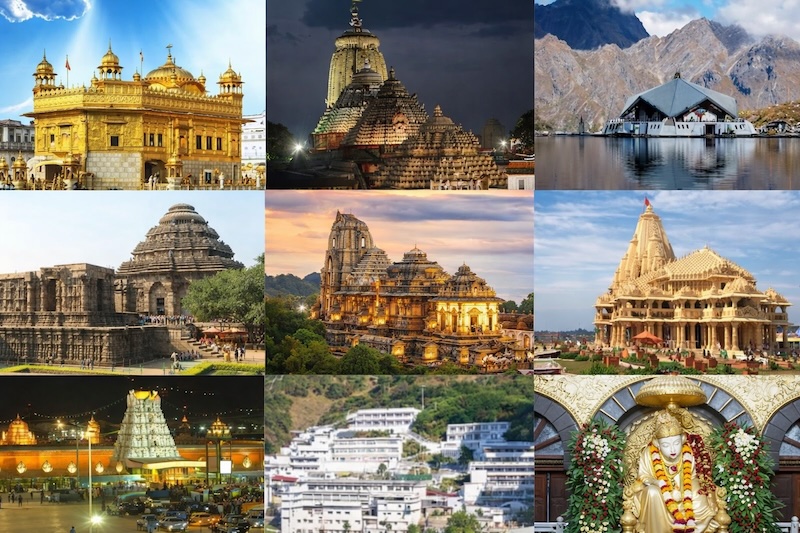
Spiritual Journeys: India’s Sacred Sites and Pilgrimages
India has long been known as a land of spirituality—a place where faith, philosophy, and tradition come together in everyday life. Across the country, countless sacred sites, temples, mosques, churches, monasteries, and rivers attract millions of pilgrims each year. These journeys are not just about visiting religious places; they are deeply personal experiences that often bring a sense of peace, reflection, and transformation.
From the snow-covered Himalayas to the southern coastal temples, India offers a wide range of spiritual destinations connected to different religions and beliefs. Each pilgrimage carries its own story, rituals, and significance, making spiritual travel in India both diverse and meaningful.
In this guide, we explore some of India’s most important spiritual journeys and sacred sites, along with the experiences they offer.
The Essence of Spiritual Travel in India
Spiritual journeys in India are rooted in centuries-old traditions. Pilgrimages, known as “yatras,” are often seen as acts of devotion, self-discovery, and purification.
People undertake these journeys for various reasons:
-
To seek blessings
-
To fulfill vows or traditions
-
To find inner peace
-
To connect with something greater than themselves
What makes these journeys unique is that they are not limited to one religion. India’s spiritual landscape includes Hinduism, Buddhism, Islam, Sikhism, Christianity, and many other belief systems, all coexisting and contributing to the country’s rich spiritual fabric.
Varanasi: The Spiritual Heart of India
Varanasi, one of the oldest living cities in the world, is considered one of the holiest places in India.
Why It Is Sacred
Situated on the banks of the Ganges River, Varanasi is believed to be a place where the cycle of life and death comes full circle. Many people visit the city to perform rituals and seek spiritual liberation.
The Experience
The ghats (riverfront steps) are the center of activity, where daily rituals, prayers, and ceremonies take place. The evening prayer ceremony, with its rhythmic chants and glowing lamps, creates a powerful spiritual atmosphere.
Who Should Visit
Varanasi is ideal for those seeking a deep and immersive spiritual experience.
Rishikesh and Haridwar: Gateway to the Himalayas
Located in Uttarakhand, Rishikesh and Haridwar are important spiritual centers along the Ganges River.
Haridwar
Haridwar is known for its sacred ghats and the evening Ganga Aarti, where devotees gather to offer prayers to the river.
Rishikesh
Rishikesh is often referred to as the “Yoga Capital of the World.” It is a place where spirituality meets wellness, attracting seekers from around the globe.
Why They Matter
These cities serve as starting points for many Himalayan pilgrimages and offer a blend of spirituality, nature, and self-discovery.
Char Dham Yatra: A Journey Through the Himalayas
The Char Dham Yatra is one of the most significant Hindu pilgrimages in India. It includes four sacred sites located in the Himalayan region:
-
Yamunotri
-
Gangotri
-
Kedarnath
-
Badrinath
Spiritual Significance
Completing this journey is believed to cleanse the soul and bring spiritual fulfillment.
The Experience
The journey involves traveling through mountainous terrain, often requiring physical endurance. The scenic beauty of the Himalayas adds to the spiritual experience.
Who Should Undertake It
This pilgrimage is ideal for those seeking both adventure and spiritual depth.
Vaishno Devi: A Journey of Faith
Located in Jammu and Kashmir, Vaishno Devi is one of the most visited pilgrimage sites in India.
The Journey
Pilgrims undertake a trek to reach the shrine, chanting prayers along the way. The journey itself is considered an act of devotion.
Spiritual Meaning
The shrine is dedicated to a form of the goddess, and visiting it is believed to fulfill wishes and bring blessings.
Why It’s Special
The combination of faith, effort, and collective energy makes this pilgrimage unique.
Tirupati Balaji: A Sacred Temple of Devotion
The Tirupati temple in Andhra Pradesh is one of the richest and most visited temples in the world.
What Makes It Important
Dedicated to Lord Venkateswara, the temple attracts millions of devotees each year.
The Experience
Pilgrims often wait for hours or even days for a glimpse of the deity, reflecting their deep devotion.
Why Visit
The temple represents faith, discipline, and spiritual commitment.
Bodh Gaya: The Land of Enlightenment
Bodh Gaya in Bihar is one of the most important Buddhist pilgrimage sites in the world.
Historical Significance
It is believed to be the place where Buddha attained enlightenment under the Bodhi tree.
The Experience
The peaceful environment, monasteries, and meditation spaces create a calm and reflective atmosphere.
Who Should Visit
Bodh Gaya is ideal for those interested in meditation, philosophy, and inner peace.
Golden Temple: A Symbol of Equality
The Golden Temple in Amritsar is the holiest site for Sikhs.
What Makes It Unique
The temple is open to people of all backgrounds, symbolizing equality and unity.
The Experience
Visitors can participate in community meals (langar), where thousands of people are served free food daily.
Why It Matters
The Golden Temple represents humility, service, and spiritual harmony.
Ajmer Sharif: A Place of Devotion and Harmony
Ajmer Sharif in Rajasthan is a revered Sufi shrine.
Spiritual Significance
It is dedicated to a respected Sufi saint and attracts people from all religions.
The Experience
The atmosphere is filled with prayers, music, and devotion.
Why Visit
Ajmer Sharif highlights India’s tradition of spiritual inclusiveness.
Meenakshi Temple: Architectural and Spiritual Wonder
Located in Madurai, Tamil Nadu, the Meenakshi Temple is a masterpiece of Dravidian architecture.
What Makes It Special
The temple is dedicated to Goddess Meenakshi and is known for its intricate carvings and vibrant structures.
The Experience
The temple complex is lively, with rituals, festivals, and cultural activities.
Why Visit
It offers a blend of spirituality, art, and history.
Jagannath Puri: A Sacred Coastal Pilgrimage
Jagannath Puri in Odisha is one of the Char Dham pilgrimage sites.
Spiritual Importance
The temple is dedicated to Lord Jagannath and is famous for its annual chariot festival.
The Experience
The grand processions and rituals create a powerful spiritual atmosphere.
Why Visit
It combines devotion with cultural celebration.
Amarnath Yatra: A High-Altitude Pilgrimage
The Amarnath Yatra is one of the most challenging pilgrimages in India.
What Makes It Unique
The journey leads to a cave shrine located at high altitude in the Himalayas.
The Experience
Pilgrims trek through कठिन terrain, facing natural challenges.
Why It Matters
The journey symbolizes faith, endurance, and spiritual strength.
The Role of Rivers in Spiritual Journeys
Rivers in India are considered sacred, especially the Ganges, Yamuna, and Godavari.
Why Rivers Are Important
They are believed to purify the soul and wash away sins.
Common Practices
-
Ritual bathing
-
Offering prayers
-
Performing ceremonies
Rivers are not just physical entities—they are deeply spiritual symbols.
Experiencing Spiritual India as a Traveler
If you are planning a spiritual journey, consider these tips:
1. Respect Traditions
Follow local customs and dress appropriately.
2. Be Patient
Pilgrimage sites can be crowded, so patience is essential.
3. Stay Open-Minded
Spiritual experiences can be different for everyone.
4. Travel Responsibly
Respect the environment and local communities.
The Inner Journey
Spiritual travel in India is not just about visiting places—it’s about the journey within. Many people find that these experiences help them reflect on life, gain clarity, and connect with their inner selves.
The combination of rituals, nature, and community creates a powerful environment for personal growth.
Conclusion
India’s sacred sites and pilgrimages offer more than just religious experiences—they provide a deeper understanding of life, culture, and spirituality. Each destination, whether it’s a temple, river, or mountain shrine, carries a story that has been passed down through generations.
From the ancient ghats of Varanasi to the शांत monasteries of Bodh Gaya, from the vibrant temples of the south to the serene Himalayas, spiritual journeys in India are as diverse as they are meaningful.
For travelers, these journeys offer an opportunity to step away from routine, explore new perspectives, and experience the profound connection between faith and life.
In the end, a spiritual journey in India is not just about reaching a destination—it’s about discovering a path that leads inward, toward peace, understanding, and a deeper sense of purpose.
