


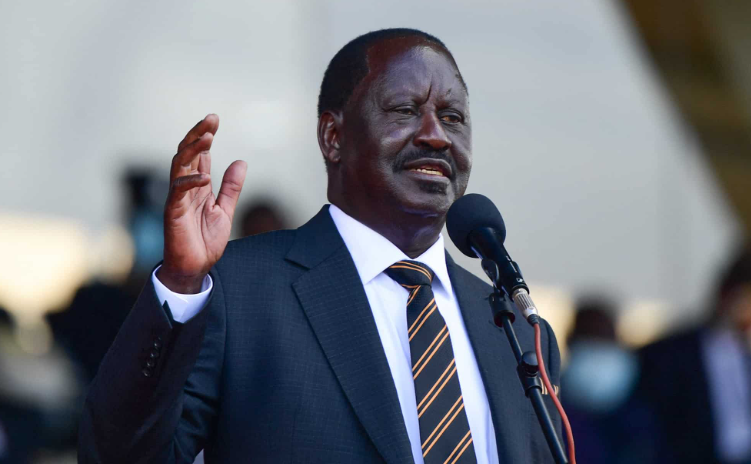
Kenya IEBC Appointments: President Ruto Names New Electoral Commission Directors
Kenya’s President William Ruto has officially approved new leadership for the Independent Electoral and Boundaries Commission (IEBC), appointing a new chair and six commissioners to lead Kenya’s electoral body for the next term. This move, coming amid protests and public unease, is likely to influence how Kenya’s next general election in 2027 will be conducted and perceived.
Background: The IEBC and Its Importance
The IEBC is Kenya’s constitutional body in charge of managing elections, delimiting electoral boundaries, and ensuring that polls run fairly. Its decisions, leadership, and integrity are critical to Kenya’s democracy. Because elections in Kenya have often been contested and occasionally marred by disputes, the credibility of the IEBC matters deeply to political stability.
For a period, the IEBC was operating without a full leadership team. The previous chair and commissioners’ terms had ended, leaving key roles vacant. This gap deepened public concern about electoral readiness and legitimacy.
What the New Appointments Are
Late in a legal notice dated July 10, 2025, President Ruto confirmed his approval of a new chairperson and six commissioners. These appointees will serve for a six-year term. The new team is set to take over the IEBC’s leadership and will oversee preparations for the next election cycle.
The appointment process had been slowed by court petitions and legal challenges, but a high court cleared the way for the final approvals to proceed. The commissioners are expected to be sworn in shortly after the announcement.
Why This Change Matters
Restoring Institutional Stability
By filling the vacant leadership posts, the government seeks to restore full functionality to the IEBC. A commission without a chair or full complement of commissioners lacks the authority and public confidence needed to guide major electoral decisions.
Political Messaging
The timing of these appointments sends a signal. President Ruto faces mounting pressure from protests and public dissatisfaction over high costs of living, governance issues, and accountability. Appointing new IEBC leaders can be seen as an attempt to reassure citizens, political parties, and observers that the electoral process will be overseen by fresh hands.
Conflict and Trust
Trust in the IEBC has been fragile. In December 2022, four commissioners had been suspended by Ruto’s administration after they disputed his election victory. That conflict deepened doubts about neutrality and has lingered in public memory. Ensuring the new appointees act independently and transparently will be essential to mending institutional trust.
Influence on the 2027 Poll
This new team will oversee boundary delimitation, voter registration, candidate nomination, election logistics, and result announcement. Their decisions in the coming months could influence how level the playing field is, how credible the vote counts are, and how disputes are handled. In other words, the new IEBC leadership will help shape the rules and processes of the next election — and thus have significant power over Kenya’s political future.
Challenges and Risks Ahead
Legal and Political Scrutiny
Opposition groups, civil society, media, and other stakeholders will closely scrutinize every move by the new commissioners. Any perception of bias, procedural error, or opacity could spark legal challenges and protests.
Public Skepticism
Given past controversies, citizens may approach the new IEBC with caution. The commission must earn credibility through consistent, fair, and transparent operations. If it fails, public confidence may erode further, leading to instability.
Operational Hurdles
Running elections in Kenya is a large logistical task: managing polling stations across 47 counties, training staff, deploying technology, ensuring security, and handling disputes. The new team will face pressure to perform without missteps.
Political Pressure
While the IEBC is constitutionally independent, political forces may try to influence it — overtly or subtly. The new leadership must resist undue interference and maintain impartiality to safeguard democratic norms.
Possible Scenarios and Outlook
| Scenario | Description | Implication |
| Strong, credible IEBC | New commissioners act with transparency and fairness | Could boost trust, reduce post-election conflict, reinforce democratic norms |
| Contested credibility | Allegations of bias or mismanagement emerge | May lead to protests, court cases, and rejection of results |
| Partial reform | Some improvements, but lingering doubts or procedural flaws | May calm some actors but leave room for disputes |
| Politicized drift | IEBC becomes overtly linked to power interests | Would weaken democratic integrity and escalate conflict |
How the new IEBC behaves in early, visible tasks — such as conducting audits, boundary reviews, or by-elections — will set the tone for how the public and political actors view its legitimacy.
What This Means for Citizens and Stakeholders
- Voters should demand transparency, access to information, and oversight. The new commissioners must engage civil society and observers to build trust.
- Political parties will want clarity on rules, deadlines, and oversight. Any ambiguity or perceived favoritism could spark disputes.
- Observers and media will play a watchdog role. Their ability to monitor, criticize, and publicize issues is vital.
- Civil society groups can help train citizens, monitor polling, and advocate for accountability.
- International partners may support Kenya with electoral assistance, capacity building, and observation missions — but only if they perceive the process as credible.
Conclusion
By approving new leadership for the IEBC, President Ruto has taken a decisive step in shaping Kenya’s electoral future. The next six years are critical. The new commissioners face the heavy task of restoring credibility, managing the technical requirements of elections, and safeguarding fairness under intense scrutiny.
If they succeed, Kenya may see a smoother, more trusted electoral cycle in 2027. If they falter, the country risks renewed contestation, instability, or democratic erosion. The public, civil society, political parties, and international observers all have roles to play in helping ensure that the IEBC lives up to its constitutional mandate.
Frequently Asked Questions (FAQ)
- What is the IEBC and why is it important?
The IEBC is Kenya’s independent electoral management body. It organizes elections, sets boundaries, registers voters, and announces results. How well it functions determines whether elections are free, fair, and credible. - Why is appointing new commissioners significant now?
Because the IEBC lacked full leadership for a time, and Kenya is approaching a major election in 2027. New leaders give direction to preparations and influence public trust in the process. - What risks might arise from these new appointments?
Risks include public distrust, allegations of bias, legal challenges, political interference, and operational missteps in carrying out election tasks. - How can citizens ensure the IEBC acts fairly?
Citizens can call for transparency, participate in observation, engage civil society groups, demand clear rules, and hold the commissioners accountable through public pressure and legal mechanisms. - How will we know if the new IEBC is doing well?
Early indicators include how it handles voter registration, boundary reviews, by-elections, public communication, and dispute resolution. If it operates transparently, treats all parties equally, and follows the law, that’s a good sign.
