


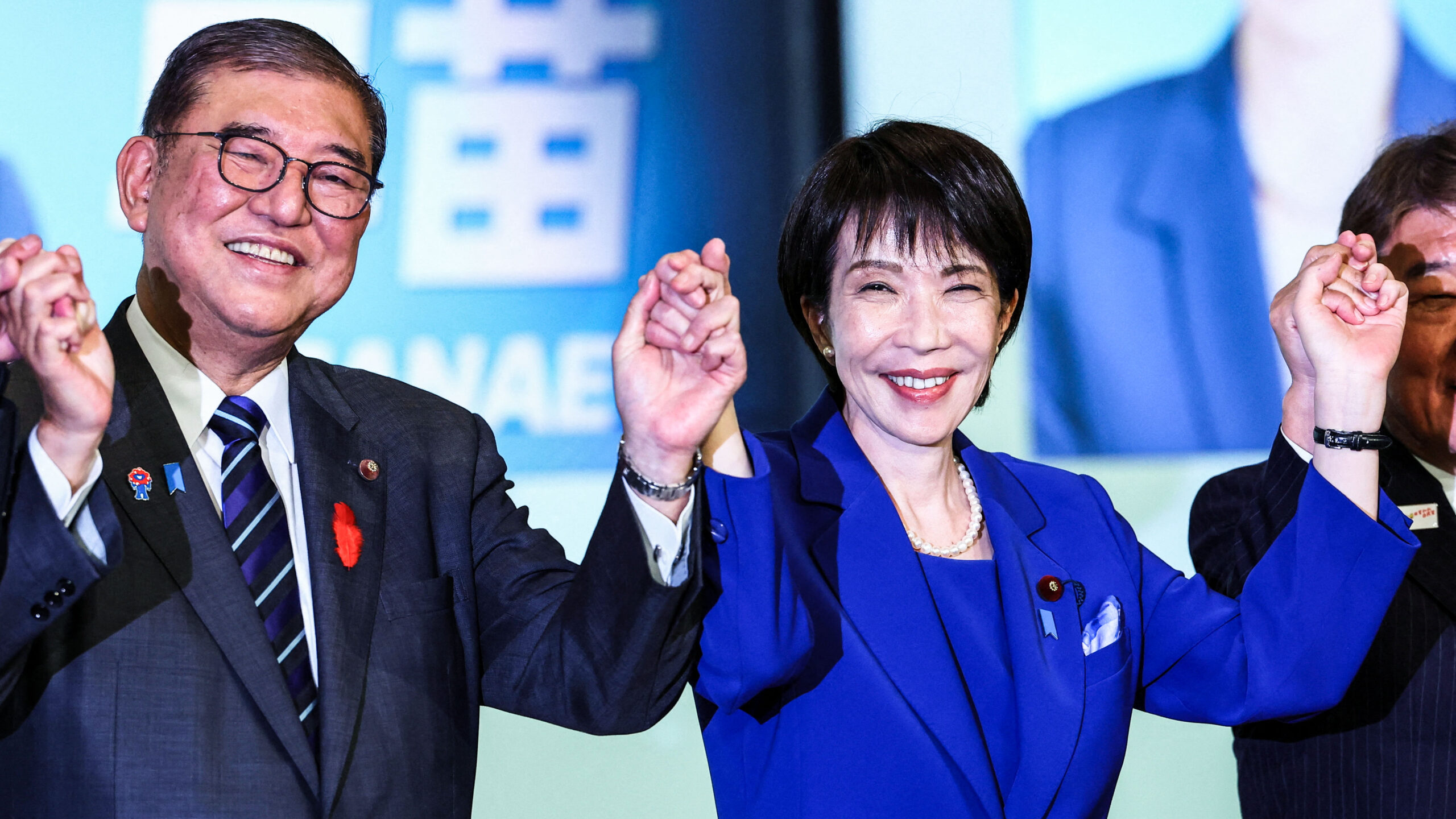
Japan Makes History: Ruling Party Elects First Female Leader
Japan’s ruling Liberal Democratic Party (LDP) has just elected Sanae Takaichi as its new leader. This is a landmark moment: she is the first woman ever to head the the party. Because the LDP has dominated Japanese politics for decades, her election makes her a very strong candidate to become Japan’s first female Prime Minister.
Table of Contents
| Section | What You Will Read |
|---|---|
| Background & Significance | Why this moment matters |
| The Leadership Race | How Takaichi won |
| Her Political Profile | Who she is and what she stands for |
| Challenges Ahead | Issues she must confront |
| Impacts & Reactions | How people and markets responded |
| What Comes Next | The path toward becoming prime minister |
| FAQ | Questions and answers in simple terms |
Background & Significance
Japan has long been criticized for its slow pace of gender equality, especially in politics. Women hold relatively few high office roles, whether in government, business boards, or national leadership. The LDP, which has led Japan through most of its postwar era, has never before had a female president.
Thus, Takaichi’s rise is symbolic. It suggests a break in tradition, and gives hope to those who want more women in leadership. But symbolism is not the same as sweeping change—it also depends on her policies, alliances, and how she leads.
The Leadership Race
Why there was a race
The previous leader, Shigeru Ishiba, announced his intent to step down amid internal party tensions and electoral losses. That triggered a leadership contest within the LDP, because the party must choose someone new to lead—and that person is likely to become prime minister.
The candidates & voting
In 2025, five candidates entered the race, including Takaichi and Shinjirō Koizumi (son of a former prime minister). In the first round of voting on October 4, no one achieved a majority. Takaichi led with 31.07% of the vote (183 out of 590 delegates) while Koizumi placed second with 27.84% (164 votes).
Because no candidate got over 50%, the top two moved to a runoff. In that final round, Takaichi won with 185 votes (54.25%) to Koizumi’s 156 (45.75%).
Her victory made her the first female president of the LDP.
Her Political Profile
Experience & persona
Takaichi has long been a figure in Japanese politics. She entered national politics in 1993 and held various ministerial posts over the years. She is sometimes compared to Margaret Thatcher for her style and firmness.
She tried during the campaign to present herself as a “moderate conservative,” softening some of her past language while retaining core policy goals.
Policy positions
- Economics & fiscal policy: She supports moderate fiscal stimulus, tax cuts, and other policies in line with “Abenomics” (the economic doctrine of former Prime Minister Shinzo Abe).
- Defense & foreign policy: Takaichi favors a stronger military role for Japan, and she has shown hawkish stances toward China.
- Social issues & gender: Her record is mixed. She has pledged to increase women’s presence in government, but she has also opposed changes such as allowing married couples to use separate surnames or legalizing same-sex marriage.
Because of such positions, gender equality advocates have viewed her win with cautious optimism. She is a woman in power, but not necessarily a feminist in the broad sense.
Challenges Ahead
Even with the top job, her path will not be easy. Some major challenges include:
1. LDP internal unity and coalition politics
The LDP is not monolithic—various factions hold differing views. Takaichi must unify the party. Also, the LDP has long governed with coalition partners (notably the Komeito party). She must maintain those alliances.
2. Parliamentary confirmation
Winning the party leadership is not enough. She must gain approval from the National Diet (Japan’s parliament) to become prime minister. That vote is expected around mid-October.
3. Economic pressures
Japan faces deflationary pressures, high public debt, an ageing population, and global economic uncertainty. How she balances growth with fiscal discipline will be crucial.
4. Diplomatic and regional tensions
Her policies toward China, Taiwan, and historical issues (such as visits to controversial war shrines) may strain relations with neighbors like South Korea and China.
5. Public opinion & gender expectations
Some skeptics argue that her rise does not automatically advance women’s rights. She may face pressure to prove she will deliver substantive change, not just a symbolic break.
Market & investor reaction
Financial markets are watching closely. Her fiscal and monetary stances could influence Japan’s bond yields, currency, and central bank decisions. Some analysts expect delays in interest rate hikes under her leadership.
Political reaction
- Many in the opposition and civil society welcomed the symbolic breakthrough of a woman in top position.
- Others remained critical of her conservative social views and questioned whether her leadership will change the status quo for women.
- Party insiders see her victory as a chance to rebrand and revitalize the LDP after recent election setbacks.
Regional & global watchers
Foreign governments are monitoring how she might shift Japan’s diplomacy, defense, and trade policies. Some see her as more assertive on security.
What Comes Next
- Parliamentary vote
The Diet is expected to convene in mid-October to formally select the next prime minister. Takaichi will need to win that vote. - Cabinet formation & agenda setting
Once confirmed, she must assemble a cabinet. Her choices (e.g. including women, experts, or party loyalists) will signal her priorities. - Policy implementation
She will begin to act on her agenda: economic stimulus, defense initiatives, social policies. The success of these moves will define her legacy. - Public support & midterm elections
She needs to build popular approval. The LDP has lost popular support lately; she must navigate future elections and maintain a mandate.
FAQ
Q1: Why is leading the LDP so important in Japan’s system?
Because the LDP has been Japan’s dominant party for most of modern history, its leader almost always becomes prime minister. So winning the LDP presidency is a key step to national leadership.
Q2: Does Takaichi’s election guarantee Japan will have a female prime minister?
Not yet. She must still win approval in parliament. But she is now the strongest candidate and it is very likely she becomes Japan’s first female prime minister.
Q3: Will she push strong feminist policies now?
Her track record suggests caution. She has promised more female representation, but she opposes some reforms like same-sex marriage or separate surnames for married couples, meaning progress may be incremental.
Q4: What might change under her leadership?
Possibilities include more aggressive defense stance, renewed fiscal stimulus, and careful diplomatic shifts. But change depends on political alliances and Japan’s economic constraints.
Q5: What are the risks she faces?
She risks internal party dissent, failure in parliament, backlash from voters if promises are broken, and diplomatic pressure from other nations unhappy with her stances.
