


Initial Withdrawal Line Gaza: Israel Proposes Move Pending Hamas Confirmation for Hostage Exchange
Israel’s recent agreement to an “initial withdrawal line” in Gaza marks a potentially significant shift in the conflict’s dynamics. According to public statements, this step is conditional: only once Hamas confirms its agreement will a ceasefire and hostage exchange begin. This article explains what the withdrawal line means, why it matters, the challenges ahead, and what may come next.
What Is the “Initial Withdrawal Line”?
Israel and its supporters describe the “initial withdrawal line” as the first stage of a phased pullback of Israeli forces from parts of the Gaza Strip. Under this proposal:
- Israeli troops would reposition behind a predetermined boundary, retreating from forward positions but retaining control over strategic zones.
- The precise map of the line has been shared with Hamas and would trigger a ceasefire once Hamas confirms.
- The withdrawal is not full or final, but symbolic of a transition from active assault to more defensive postures.
In effect, the line is meant to be a signal of deescalation while preserving Israel’s leverage.
The Hostage Exchange Deal Tied to the Withdrawal
The withdrawal plan is tightly linked to a hostage-prisoner swap agreement. Here’s how the deal is structured:
- Conditional Activation: The ceasefire and exchange begin only if Hamas formally accepts the withdrawal proposal.
- Timely Exchange: Once confirmed, the release of hostages (both living and deceased) would start immediately, in exchange for Palestinian prisoners held by Israel.
- Subsequent Phases: After the initial pullback and prisoner exchange, further negotiations would aim for deeper withdrawal, disarmament of Hamas, and long-term stability.
This kind of linkage is intended to build mutual trust and momentum toward a broader resolution.
Why Israel Made This Offer
Several factors likely pushed Israel to propose this withdrawal line:
- International Pressure: Many countries and organizations have urged an end to the fighting and increased aid to civilians in Gaza.
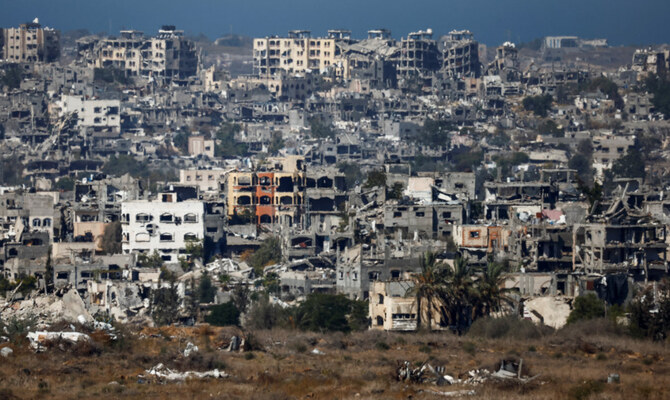
- Humanitarian Costs: The war has caused severe civilian suffering and damage in Gaza, drawing widespread condemnation.
- Diplomatic Advantage: By offering a withdrawal, Israel can shift from solely offensive action to a negotiation posture while still preserving defensive control.
- Leverage: Retaining strategic areas allows Israel to respond if talks collapse, or if Hamas reverses.
Thus, Israel sees the proposal as both a concession and a safeguard.
Challenges and Points of Contention
This plan faces many hurdles. Some of the key challenges:
1. Hamas’s Approval and Demands
Hamas has shown cautious interest but also set high demands. Among their key conditions:
- A deeper withdrawal than what Israel proposed, including removal of forces to January 2025 positions.
- Release of high-profile prisoners, including those with life sentences.
- Guarantees that Israel won’t resume attacks after the ceasefire.
- A road map toward full Israeli withdrawal and the end of hostilities.
If Hamas feels the offer is too favorable to Israel, it may delay or reject formally confirming.
2. Ambiguity of the Map
The map shared publicly shows a “yellow line” that extends Israel’s buffer zones further into Gaza than in past agreements. For example:
- In some regions, the proposed buffer reaches several kilometers deeper than current frontline zones.
- Israel would retain control over corridors and key zones even after the withdrawal.
- The map leaves open whether Israel would keep access over roads, crossings, or monitoring posts.
This ambiguity gives Israel flexibility but may provoke distrust from Hamas and mediators.
3. Security Risks and Escalation
Even with a withdrawal line, volatility remains:
- Armed factions in Gaza might continue attacks or rocket fire, risking the ceasefire’s collapse.
- If Israel sees threats, it may resume strikes, nullifying trust.
- The presence of weapons and tunnels in Gaza complicates enforcement of a reduced military footprint.
4. Political Opposition Inside Israel
Hardline factions in Israel oppose significant pullbacks or concessions to Hamas. Some see any withdrawal as a weakness or a security risk. The political balance may make full implementation difficult without backlash.
5. Verification and Enforcement
Who ensures both sides abide by the terms? Key questions:
- Who monitors that Israel actually withdraws behind the line?
- Who ensures that Hamas releases hostages promptly and ceases attacks?
- What third parties (e.g. Egypt, Qatar, UN) will serve as guarantors?
Without strong verification, the deal could unravel.
Possible Outcomes and Scenarios
Given the uncertainties, several paths may unfold:
| Scenario | Description | Risks & Opportunities |
| Smooth Implementation | Hamas confirms quickly, hostages are exchanged, Israeli forces pull back as agreed | Could lead to longer ceasefire, rebuilding, confidence between sides |
| Stalled Confirmation | Hamas delays or rejects formally, citing map issues or unmet demands | The ceasefire and exchange don’t begin, continued fighting |
| Partial Withdrawal | Israel makes partial moves behind the line while negotiations continue | Some reduction of violence, but potential miscalculations and skirmishes |
| Collapse and Return to War | One side violates or withdraws from agreement, hostilities resume | High civilian cost, renewed international condemnation |
The success will hinge on political will, trust-building, and strong mediation.
What Comes Next?
To monitor how things develop, key indicators include:
- Hamas’s Formal Response: Whether and how aggressively Hamas accepts or counters the map.
- Movement of Troops and Forces: Whether Israel begins repositioning as promised.
- Hostage Exchanges: When and how many hostages are released.
- Third-Party Oversight: Entry of mediators, observers, and monitors.
- Local Security Incidents: Any flare-ups, rocket fire, or breaches that test the deal’s strength.
If the initial phase succeeds, talks would proceed to deeper withdrawal, demilitarization, and long-term governance in Gaza.
FAQ (Frequently Asked Questions)
Q1. What does “initial withdrawal line” mean?
It’s a first-stage boundary behind which Israeli forces would pull back, but still maintain control of strategic zones, pending further negotiation.
Q2. Why is Hamas’s confirmation needed?
Because the ceasefire, hostage exchange, and full implementation are all conditional on both sides agreeing. Hamas must accept the plan formally for it to begin.
Q3. Will Israel leave Gaza immediately after this line is set?
No. The withdrawal line is an initial step only. Israel proposes further phases for deeper withdrawal, not a full exit yet.
Q4. Can the deal fail after starting?
Yes. Even once initiated, violations by either side—or lack of trust—might derail the agreement and lead back to fighting.
Q5. Who will watch over the agreement’s implementation?
Most likely third parties like Egypt, Qatar, international agencies, or the UN will be involved to monitor compliance and mediate disputes.
