


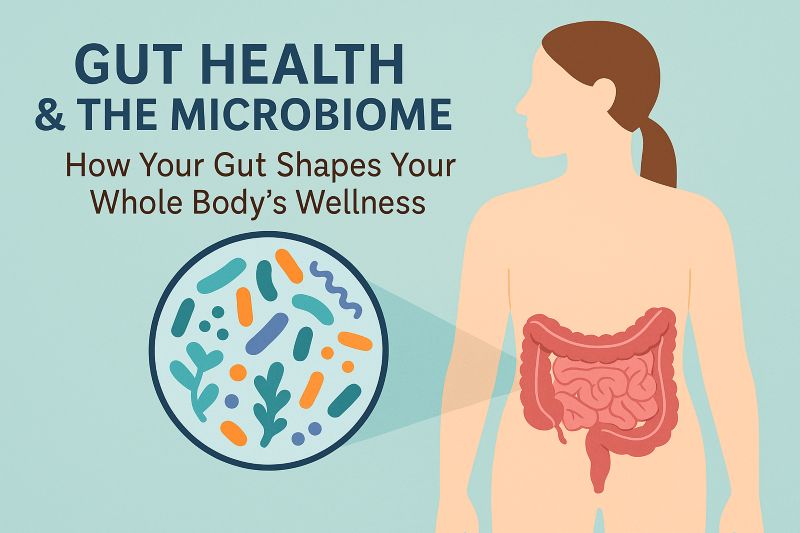
Gut Health and The Microbiome: How Your Gut Shapes Your Whole Body’s Wellness
In recent years, “gut health” has become one of the hottest topics in wellness — and for good reason. Scientists now know that the gut does much more than digest food. It plays a vital role in immunity, brain health, mood, and even weight management.
At the center of this system is the microbiome — a vast community of bacteria, fungi, and other tiny organisms living in our digestive tract. When this ecosystem is balanced, it keeps the body strong and stable. When it’s disturbed, it can trigger problems throughout the body.
This article explores how gut health works, why it matters, and how personalized probiotics and nutrition can help keep your digestive system — and your whole body — in balance.
What Is the Gut Microbiome?
The gut microbiome is made up of trillions of microorganisms that live mainly in your intestines. Think of it as a bustling city inside your belly — home to bacteria, yeast, viruses, and other microbes that work together to help you stay healthy.
Everyone’s microbiome is unique, shaped by genetics, diet, environment, and lifestyle. From birth, the types of bacteria in your gut begin to form and evolve, influenced by how you were born (natural or C-section), whether you were breastfed, and even where you live.
When the “good” and “bad” bacteria are in harmony, your body works efficiently. But when this balance shifts — due to poor diet, stress, or illness — it can affect your digestion, immunity, and mental well-being.
Why Gut Health Matters
1. Better Digestion and Nutrient Absorption
Your gut breaks down food into nutrients the body can use. Healthy gut bacteria help digest fiber, produce essential vitamins (like B12 and K), and make short-chain fatty acids that keep your colon healthy.
When the microbiome is disrupted, you might experience bloating, constipation, gas, or other digestive issues. Over time, poor digestion can affect how well your body absorbs vitamins and minerals, leaving you tired or nutrient deficient.
2. Stronger Immune System
About 70% of your immune cells are found in your gut. That means your digestive system is your first line of defense against infections.
A healthy microbiome trains your immune cells to recognize real threats and ignore harmless substances like food or pollen. When the gut is unbalanced, the immune system can become confused — leading to inflammation, allergies, or autoimmune issues.
3. The Gut–Brain Connection
Have you ever felt “butterflies” in your stomach when nervous? That’s the gut-brain axis at work — a direct communication link between your digestive system and your brain.
Your gut produces many of the same neurotransmitters found in your brain, including serotonin, the “feel-good” chemical that regulates mood and sleep.
When gut bacteria are healthy, they support emotional balance. But when the gut is inflamed or imbalanced, it can lead to anxiety, brain fog, or even depression.
4. Weight and Metabolism
Your gut bacteria also influence how your body stores fat and regulates hunger. Some microbes extract more calories from food than others, which can affect weight gain.
Studies show that people with diverse gut bacteria tend to have a healthier metabolism. On the other hand, an unbalanced microbiome — called dysbiosis — is often linked to obesity, insulin resistance, and chronic fatigue.
Factors That Affect Gut Health
1. Diet
Food is the most powerful way to influence your gut.
-
Fiber-rich foods (like fruits, vegetables, and whole grains) feed beneficial bacteria.
-
Processed foods, sugar, and unhealthy fats encourage harmful microbes.
-
Fermented foods — such as yogurt, kefir, sauerkraut, and kimchi — provide live bacteria that support gut balance.
2. Stress
Chronic stress changes gut motility and blood flow, disturbing the microbiome. It can also make the gut lining “leaky,” allowing toxins to enter the bloodstream, which may trigger inflammation.
3. Sleep and Lifestyle
Poor sleep, irregular meals, and lack of exercise can all disturb the gut ecosystem. Physical movement improves digestion, while adequate sleep allows the body to repair and reset bacterial rhythms.
4. Medications and Antibiotics
Antibiotics save lives, but they also kill good bacteria. Frequent or unnecessary use can disrupt the microbiome for months. Other medications — like painkillers or antacids — can also affect bacterial diversity.
Personalized Probiotics and Microbiome Interventions
1. What Are Probiotics?
Probiotics are live bacteria that offer health benefits when consumed in the right amounts. They are found naturally in fermented foods or available as supplements.
Common strains include Lactobacillus and Bifidobacterium, which help improve digestion, reduce bloating, and support immunity.
2. Prebiotics: Food for Good Bacteria
Prebiotics are special types of fiber that feed your good gut bacteria. You can find them in foods like garlic, onions, bananas, and oats.
Together, probiotics (the bacteria) and prebiotics (their food) form a symbiotic relationship, strengthening the gut barrier and improving nutrient absorption.
3. Personalized Gut Health Plans
Not everyone’s microbiome is the same, so one-size-fits-all probiotics don’t work for everyone. New technology now allows personalized testing — using stool samples or DNA analysis — to identify what bacteria your gut lacks.
Based on that, customized probiotic blends or diet plans can be made to target specific issues such as IBS, inflammation, or low energy.
4. Fecal Microbiota Transplant (FMT)
In serious cases of microbiome imbalance — especially after antibiotic overuse — doctors may perform an FMT. This procedure transfers healthy gut bacteria from a donor to the patient’s colon. It’s still developing but has shown promise in treating severe digestive disorders.
Signs Your Gut Might Be Out of Balance
-
Frequent bloating, gas, or constipation
-
Unexplained fatigue or mood swings
-
Skin problems like acne or eczema
-
Sugar cravings and unstable appetite
-
Poor concentration or “brain fog”
-
Low immunity and frequent infections
If you have several of these symptoms, your gut might need some care and balance.
How to Naturally Improve Gut Health
1. Eat Real, Whole Foods
Choose fresh, minimally processed foods that are rich in fiber, antioxidants, and natural nutrients. The more variety you eat, the more diverse your microbiome becomes.
2. Add Fermented Foods
Include yogurt, miso, kimchi, and kombucha in your diet. They help repopulate the gut with friendly bacteria.
3. Stay Hydrated
Water helps flush toxins and supports digestion. Aim for at least 6–8 glasses daily.
4. Manage Stress
Meditation, yoga, or even a short walk can lower stress hormones that harm the gut.
5. Sleep and Move Regularly
Your gut microbes follow a natural rhythm. Maintain consistent sleep schedules and exercise regularly to keep them in sync.
6. Limit Antibiotic Use
Only take antibiotics when truly necessary and always follow your doctor’s instructions. Afterward, restore your microbiome with probiotics and healthy food.
The Future of Gut Health
Science is only scratching the surface of how powerful the microbiome is. Future health care may include microbiome-based therapies — custom diets, probiotic prescriptions, and even microbiota “fingerprints” to detect diseases early.
As research grows, we may soon see gut testing become a standard part of regular health checkups. The idea is simple: heal your gut, and you help heal your whole body.
Final Thoughts
Your gut isn’t just a digestion machine — it’s a control center for your whole body. It affects your mood, immune system, weight, and even brain health. Taking care of your gut means taking care of yourself from the inside out.
By eating right, managing stress, sleeping well, and choosing the right probiotics, you can keep your microbiome balanced and your body thriving. A healthy gut equals a happier, more energetic you.
FAQs
Q1: What exactly is the gut microbiome?
It’s the community of bacteria and other tiny organisms that live in your intestines and help with digestion, immunity, and mood.
Q2: How do I know if my gut is unhealthy?
Common signs include bloating, constipation, fatigue, frequent colds, and skin breakouts.
Q3: Can probiotics fix gut problems?
Probiotics can help restore balance, but results vary for everyone. Combining them with good diet and lifestyle habits works best.
Q4: What foods are best for gut health?
Fruits, vegetables, whole grains, fermented foods, and foods high in fiber and prebiotics.
Q5: How long does it take to improve gut health?
Most people start noticing changes in 2–4 weeks with consistent healthy eating and stress management.
