


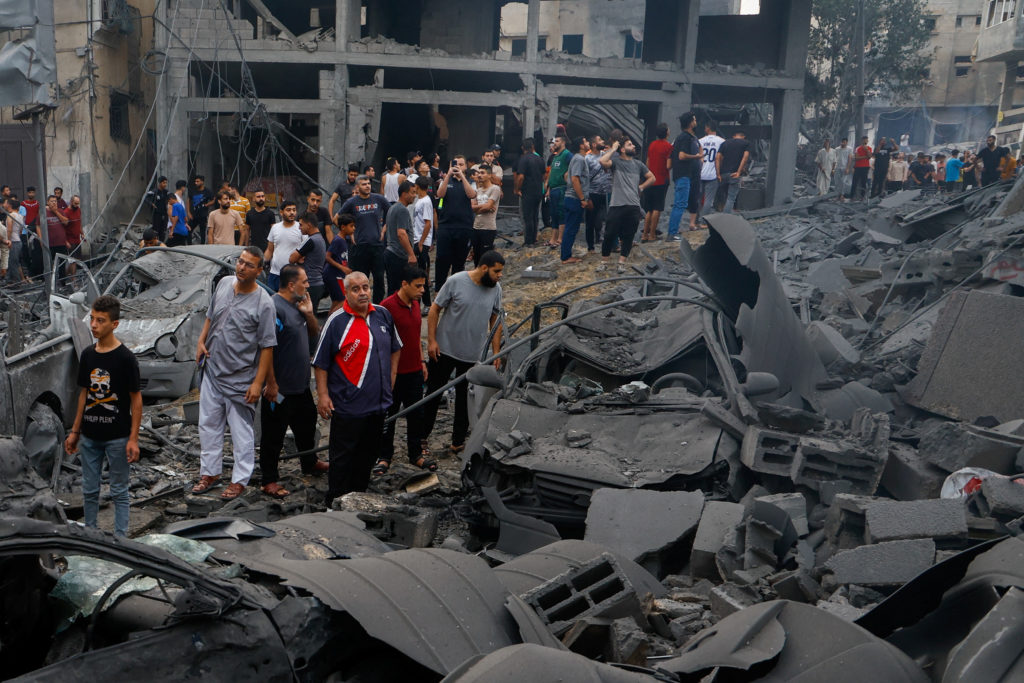
Gaza War Hostages Release Is Top Priority — U.S. Officials Stress Urgent Action
The war in Gaza, now stretching into its second year, remains far from a resolution. Despite global appeals for peace, U.S. officials have made it clear that their primary and immediate focus is on the safe release of hostages still held by Hamas. Until that happens, they believe, no lasting ceasefire or political settlement can truly take hold.
Why the Hostage Issue Matters
Human Urgency
For the families of those kidnapped, every passing day brings deep anxiety. These captives include civilians, soldiers, and foreign nationals. Their safe return has become not just a humanitarian goal but a political necessity for Israel and its allies.
Political Leverage
Hostages serve as critical bargaining tools in negotiations. Israel demands their unconditional release before making major concessions, while Hamas uses them as leverage to seek the release of Palestinian prisoners or to gain political recognition.
International Credibility
The United States and other mediators have emphasized that a ceasefire without a hostage resolution would lack legitimacy. Public opinion, especially in Israel and the West, would see such an agreement as incomplete or morally flawed. That’s why U.S. officials have repeated that no durable peace can exist while innocent people remain captive.
2. The Current Negotiation Landscape
Number and Status of Hostages
Current intelligence estimates that about 48 hostages are still in Gaza. Of these, around 20 are believed to be alive, while others are presumed dead. The uncertainty surrounding their condition has further complicated talks.
U.S. Involvement
American leaders have reaffirmed that ending the war depends on securing the hostages’ release. Washington’s diplomatic pressure is now focused on urging both sides to agree to a framework that prioritizes humanitarian steps before any broader peace plan.
The Proposed Peace Framework
A recent U.S.-backed plan outlines several points:
- Israel would temporarily halt strikes.
- Hamas would release all hostages, both living and deceased.
- Israel would withdraw from specific areas of Gaza.
- Palestinian detainees would be freed in exchange.
- A neutral, technocratic governing body would be formed in Gaza.
- Hamas would agree to disarm or hand over weapons.
- Reconstruction and international aid would follow.
While Hamas has signaled partial acceptance of the plan, especially regarding hostage exchanges and governance arrangements, it remains firmly opposed to full disarmament.
Role of Mediators
Negotiations continue indirectly through Egypt and Qatar, who serve as mediators between Israel and Hamas. Humanitarian organizations such as the Red Cross have offered to facilitate safe passage and act as neutral intermediaries during exchanges.
These diplomatic efforts are delicate and time-sensitive, requiring strict secrecy and coordinated international oversight.
Key Obstacles in the Way
Trust and Verification
Neither side fully trusts the other. Israel insists on proof of life for the remaining hostages, while Hamas demands guarantees that Israeli strikes will stop during any release process. Verifying compliance has proven extremely difficult.
Sequencing of Actions
A major challenge is determining who acts first. Should Hamas free hostages before Israel halts its operations, or vice versa? Both sides fear being deceived, and neither wants to appear weak domestically.
The Disarmament Dilemma
Disarmament remains a sticking point. Israel views Hamas’s weapons as a continuing threat, while Hamas argues that giving them up without guarantees would leave Gaza vulnerable. This disagreement continues to stall negotiations.
Internal Political Pressure
Domestic politics also play a role. Within Israel, some factions reject any concessions to Hamas. Within Gaza, hardline elements resist giving up hostages or arms. Each side faces pressure from within that complicates the peace process.
Security of Transfers
Even if both sides agree, moving hostages through active conflict zones poses enormous risk. Ensuring safe corridors and third-party supervision requires precise coordination and neutral monitoring.
Possible Scenarios Ahead
| Scenario | Hostage Outcome | War Outcome | Risks |
| Complete Deal | All hostages released; remains returned | Ceasefire, partial withdrawal, aid begins | Fragile trust, possible spoilers |
| Partial Deal | Some hostages released; others held | Temporary truce, limited withdrawal | Renewed fighting, delayed progress |
| Stalemate | No release progress | Continued war, rising civilian losses | Humanitarian disaster |
| Military Push | Israel intensifies strikes | Hostages at greater risk | Regional escalation |
Analysts believe a partial deal is the most likely short-term outcome, as both sides test one another’s sincerity through smaller steps. A complete peace will likely require phased agreements and external enforcement mechanisms.
Why the War Can’t End Before the Hostages
No peace can hold while civilians remain captive. For Israel, bringing home every hostage is a moral and political necessity. For the United States and other mediators, prioritizing hostage release ensures any ceasefire is viewed as credible.If hostages were left behind, domestic outrage in Israel could reignite military operations, undoing any progress. Moreover, future negotiations would be poisoned by mistrust. Releasing the hostages, therefore, isn’t just symbolic — it’s the foundation for any lasting peace.As one senior American diplomat recently noted, “The hostage question isn’t a side issue — it’s the test of whether a real deal is possible at all.
FAQs
Q1: How many hostages are still being held?
About 48 hostages are believed to remain in Gaza, though not all are confirmed to be alive.
Q2: Why does the U.S. focus on the hostage issue first?
Because releasing hostages builds trust and moral credibility for any peace agreement. Without it, no ceasefire would be accepted as legitimate.
Q3: Why is Hamas resisting disarmament?
Hamas believes giving up weapons would leave it defenseless and weaken its political control in Gaza.
Q4: Who is helping to mediate the talks?
Egypt and Qatar are leading mediation efforts, supported by the United States and international humanitarian organizations.
Q5: What happens if talks fail again?
If the negotiations collapse, hostilities will likely intensify, leading to more civilian casualties and a worsening humanitarian crisis.
