


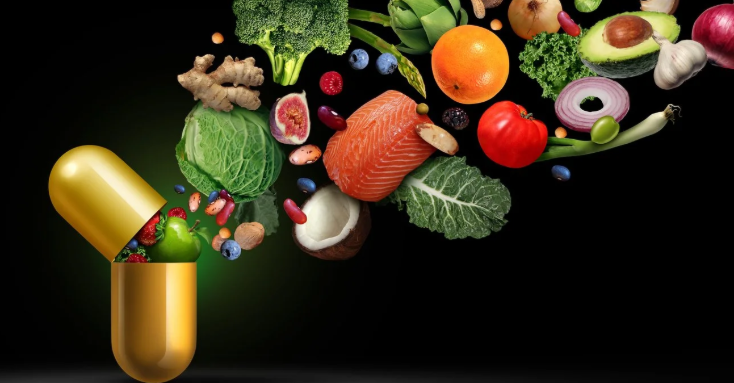
Food as Medicine: Can What You Eat Prevent Disease?
If I told you that what’s on your plate could act like medicine — helping prevent illness rather than just treating it — you might find that surprising. Yet growing research supports the idea that good food choices are among our strongest tools to ward off disease. In this article, we will explore what “food as medicine” really means, which foods help, how they work, and how you can apply the principle in your everyday life.
What Does “Food as Medicine” Mean?
“Food as Medicine” is a simple but powerful idea: using whole, nutritious foods to support health, reduce risks of disease, and sometimes even help manage existing conditions. Rather than focusing only on pills, this concept emphasizes that diet and nutrition can prevent or delay chronic diseases. It doesn’t mean that food replaces doctors or medicines — but that food can play a big, proactive role in health.
How Diet Influences Disease Risk
Chronic Diseases and Nutrition
Many common chronic illnesses — such as heart disease, type 2 diabetes, stroke, certain cancers, and hypertension — are strongly affected by diet. Studies show that populations eating nutrient-rich diets with minimal processed foods have lower rates of those diseases.
A healthy diet helps protect against noncommunicable diseases such as heart disease, diabetes, cancer, and stroke.
Research also suggests food-based dietary patterns that de-emphasize red and processed meat, sugary drinks, and refined grains while emphasizing plants and lean proteins are linked to lower disease risk.
Mechanisms: Inflammation, Oxidative Stress, Gut Health
- Reducing chronic inflammation: Many diseases begin with low-level inflammation. Foods rich in antioxidants and phytochemicals help calm that inflammation.
- Countering oxidative stress: Free radicals damage cells. Nutrients like vitamins C and E, polyphenols, and carotenoids help neutralize them.
- Supporting gut health: Fiber from plants feeds beneficial gut bacteria. A healthy microbiome influences metabolism, immune function, even mood.
- Regulating metabolism and insulin: Some foods improve insulin sensitivity or help maintain stable blood sugar — a key factor in diabetes prevention.
Thus, a diet rich in protective food components and low in harmful ones supports many systems in the body — heart, blood vessels, brain, metabolic organs — and lowers disease risk.
Key Foods That Help Prevent Disease
Fruits, Vegetables, Whole Grains
These are powerhouses of fiber, vitamins, minerals, and plant compounds. Regular high intake of fruits and vegetables is linked to lower risks of heart disease, stroke, and some cancers.
Whole grains (brown rice, oats, barley, whole wheat) deliver fiber and beneficial nutrients. Higher fiber intake has been associated with lower risk of heart disease, colon cancer, type 2 diabetes, and lower mortality.
Legumes, Nuts, Seeds
Beans, lentils, chickpeas provide protein, fiber, and micronutrients while being low in saturated fat.
Nuts and seeds supply healthy fats, plant protein, and compounds that support heart health and reduce inflammation.
Healthy Fats, Fish, Lean Proteins
Fats from olive oil, avocado, flaxseed, and oily fish are rich in monounsaturated or omega-3 fats, which support heart and brain health.
Fatty fish (salmon, sardines) give omega-3 fatty acids that help reduce risk of cardiovascular disease.
Choosing lean proteins (chicken, fish, plant proteins) over red or processed meat is generally safer.
Limiting Harmful Foods
To let the good foods shine, reduce these:
- Processed meats, red meat
- Added sugars and sugary drinks
- Foods high in saturated and trans fat
- Excessive sodium from processed, packaged foods
These choices are linked to greater risk of obesity, hypertension, heart disease, and some cancers.
Dietary Patterns That Work
Mediterranean Diet
This diet emphasizes vegetables, fruits, whole grains, legumes, nuts, olive oil, moderate fish, and limited red meat. It has been widely studied and shown to reduce risk of heart disease, stroke, and improve longevity.
DASH Diet
Originally designed to control blood pressure, the DASH diet focuses on fruits, vegetables, low-fat dairy, whole grains, lean proteins, and limits sodium and saturated fat. Evidence shows it lowers blood pressure and supports heart health.
Plant-Forward, Flexitarian Approaches
This kind of eating leans toward more plant foods, with occasional meat or fish. Emerging research (for example, reports from global health commissions) suggests these diets could prevent millions of premature deaths globally by balancing nutrition with sustainability.
Practical Tips to Eat with Health in Mind
- Focus on variety: Aim to eat different colors of vegetables, multiple types of whole grains, and diverse protein sources.
- Make plants the base: Let vegetables, legumes, and whole grains fill most of your plate.
- Swap wisely: Replace sugary drinks, refined grains, processed snacks with healthier options.
- Control portions: Even healthy food in extreme amounts can stress your body.
- Cook more at home: You control ingredients, oils, salt.
- Mind your environment: Having access to fresh foods matters. Communities with fewer grocery stores tend to have higher disease risk.
- Stay consistent: Small changes over time matter more than occasional extremes.
Limitations & Realistic Expectations
“Food as Medicine” is powerful but not magic. It complements—but does not replace—medical care. Genetic factors, environment, lifestyle (exercise, sleep, stress) also play large roles.
Even the best diets can’t guarantee prevention of every illness. Some diseases have causes beyond diet.
Also, research in nutrition has challenges: long time frames, individual differences, and measuring diet accurately. Still, the weight of evidence supports that diet strongly influences disease risk.
FAQ
1. Can one “superfood” prevent disease?
No. No single food can prevent disease alone. What matters is the overall pattern of eating: many healthy foods together, and limiting harmful ones.
2. If I have a health condition (like diabetes), can food replace medication?
Not usually. While diet is a powerful tool, medical conditions often require medicines, monitoring, and professional care. But food can support treatment and prevent complications.
3. How soon can I see benefits if I change my diet?
Some benefits, like lowered blood pressure, improved blood sugar or better digestion, may show within weeks to months. But long-term disease prevention is a gradual process over years.
4. Is organic or expensive food required?
No. You don’t need organic or costly foods to eat healthily. Focus on whole foods, fiber, variety, and minimizing processed items. Even affordable foods like beans, whole grains, seasonal vegetables can have big benefits.
5. Can I follow this in any country and culture?
Yes. The principles adapt: use local fruits, vegetables, grains, legumes, and lean proteins in ways your culture enjoys. The idea is using wholesome food, not imposing foreign menus.
Conclusion
“Food as Medicine” is not just a slogan — it’s an approach backed by growing scientific support. When we choose whole, nutrient-rich foods and patterns that support health, we harness a powerful tool against chronic disease. It’s not guaranteed magic, but as we combine it with physical activity, good sleep, and medical care, our plates become part of our preventive medicine cabinet.
