


Exploring India’s Historic Monuments: Stories Behind the Landmarks
India is a land where history breathes through stone, where every monument stands as a silent storyteller of time. From grand forts and intricate temples to majestic mausoleums and ancient ruins, the country’s historic landmarks are more than just architectural marvels—they are windows into the past. Each structure carries layers of stories shaped by kings, empires, cultures, and everyday people who lived through those eras.
In this article, we will explore some of India’s most iconic historic monuments and uncover the fascinating stories behind them. This journey is not just about dates and facts—it’s about understanding the emotions, ambitions, struggles, and legacies that built these timeless landmarks.
The Taj Mahal: A Monument of Love and Loss
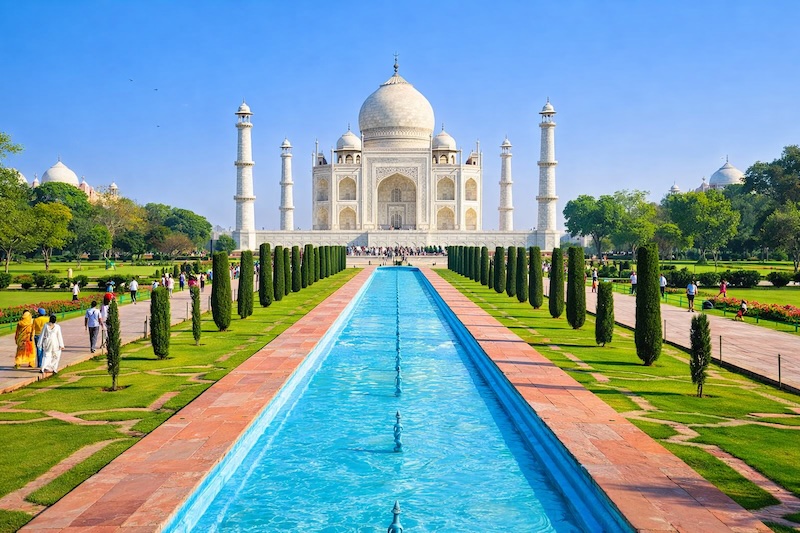
No discussion of Indian monuments can begin without the Taj Mahal. Located in Agra, this white marble masterpiece is often described as the symbol of eternal love. It was commissioned by Mughal emperor Shah Jahan in memory of his beloved wife Mumtaz Mahal, who died during childbirth.
But beyond its beauty lies a deeper story. The Taj Mahal represents not just love, but grief and devotion. Shah Jahan was so heartbroken by Mumtaz’s death that he dedicated years and immense resources to build a structure that would immortalize her memory.
The monument took over two decades to complete, involving thousands of artisans and craftsmen from across the empire. Its design reflects a blend of Persian, Islamic, and Indian architectural styles. The symmetry, the intricate carvings, and the way the marble changes color with the light of the day—all contribute to its unique charm.
Interestingly, Shah Jahan himself was later imprisoned by his son Aurangzeb and spent his final years looking at the Taj Mahal from afar, adding another layer of tragedy to its story.
The Red Fort: Power, Politics, and Independence
Standing proudly in Delhi, the Red Fort is more than just a historical structure—it is a symbol of India’s political transformation. Built by Shah Jahan in the 17th century, it served as the main residence of the Mughal emperors for nearly 200 years.
The fort’s massive red sandstone walls were designed to showcase power and authority. Inside, however, lies a world of delicate beauty—gardens, halls, and palaces that reflect the sophistication of Mughal architecture.
The Red Fort witnessed the rise and fall of empires. It saw the grandeur of the Mughal court, the invasion of foreign powers, and eventually the decline of Mughal rule. Later, during British colonial rule, it became a symbol of resistance.
One of the most important moments in modern Indian history is connected to this monument. On August 15, 1947, India’s first Prime Minister, Jawaharlal Nehru, hoisted the national flag here, marking the country’s independence. Even today, the Prime Minister addresses the nation from the Red Fort every Independence Day, making it a living symbol of freedom.
Qutub Minar: A Tower of Victory and Faith
The Qutub Minar in Delhi is one of the tallest brick minarets in the world. Built in the early 13th century by Qutb-ud-din Aibak, it marks the beginning of Muslim rule in India.
This towering structure is not just an architectural achievement but also a symbol of victory and religious significance. The minar was constructed as part of a larger complex that includes mosques and other structures, many of which were built using materials from earlier temples.
The intricate carvings on the minar, including verses from the Quran, showcase the artistic excellence of the time. Despite facing damage from earthquakes and lightning over the centuries, the structure has been restored multiple times and continues to stand tall.
What makes the Qutub Minar particularly interesting is how it reflects the cultural transitions of India. It represents a period when different architectural styles and traditions began to merge, creating something entirely new.
Hampi: The Ruins of a Glorious Empire
Hampi, located in Karnataka, is a vast landscape of ruins that once formed the capital of the Vijayanagara Empire. Today, it is a UNESCO World Heritage Site, but centuries ago, it was one of the richest and most powerful cities in the world.
Walking through Hampi is like stepping into a forgotten world. Massive temples, marketplaces, and royal enclosures are scattered across a rocky terrain, each telling stories of prosperity and eventual destruction.
The empire reached its peak in the 14th and 15th centuries, attracting traders from across the globe. However, it fell after a major battle in 1565, leading to widespread destruction of the city.
Despite the ruins, the spirit of Hampi remains alive. The intricate carvings, the musical pillars of the Vittala Temple, and the massive stone chariots reflect the artistic and engineering brilliance of the time.
Hampi’s story is a reminder of how even the greatest empires can rise and fall, leaving behind only echoes of their former glory.
Konark Sun Temple: A Chariot of the Sun God
Located in Odisha, the Konark Sun Temple is one of the most unique monuments in India. Built in the 13th century, it is designed in the shape of a massive chariot dedicated to the Sun God.
The temple features 24 intricately carved wheels and is pulled by seven stone horses, symbolizing the passage of time. Every part of the structure is filled with detailed sculptures depicting daily life, mythology, and celestial themes.
However, the temple also carries a mysterious story. Over time, much of the structure collapsed, and historians still debate the exact reasons—whether it was due to natural causes, invasions, or structural issues.
One popular legend suggests that the temple once had a powerful magnet at its top, which interfered with ships’ navigation, leading to its removal and eventual collapse. While this story is not confirmed, it adds to the monument’s intrigue.
The Konark Sun Temple stands as a testament to the creativity and spiritual depth of ancient Indian architecture.
Amer Fort: A Blend of Strength and Elegance
Perched on a hill in Jaipur, Amer Fort is a stunning example of Rajput architecture. Built with red sandstone and marble, the fort combines strength with artistic beauty.
Inside the fort, visitors can find grand courtyards, mirror-covered halls, and beautifully painted walls. The Sheesh Mahal, or Mirror Palace, is particularly famous for its intricate design, where even a small light can illuminate the entire room through reflections.
The fort was not just a military stronghold but also a royal residence. It reflects the lifestyle of the Rajput kings, who valued both power and aesthetics.
Amer Fort’s story is one of resilience and adaptation. It shows how rulers built structures that could withstand attacks while still providing comfort and luxury.
Sanchi Stupa: A Symbol of Peace and Enlightenment
The Sanchi Stupa in Madhya Pradesh is one of the oldest stone structures in India. Built during the reign of Emperor Ashoka in the 3rd century BCE, it is a significant monument for Buddhist heritage.
Unlike grand palaces or forts, the Sanchi Stupa is simple in design. However, its simplicity carries deep meaning. The structure represents the teachings of Buddha and the path to enlightenment.
The gateways of the stupa are adorned with carvings that depict stories from Buddha’s life. These carvings are not just artistic but also educational, meant to spread spiritual teachings.
Sanchi’s story is one of transformation. Emperor Ashoka, who once ruled through war, embraced Buddhism after witnessing the horrors of conflict. The stupa stands as a symbol of his change of heart and his commitment to peace.
Ajanta and Ellora Caves: Art Carved in Stone
The Ajanta and Ellora caves in Maharashtra are among the most extraordinary examples of rock-cut architecture in the world. These caves were carved into hillsides over centuries and served as monasteries, temples, and places of worship.
The Ajanta caves are known for their beautiful paintings, which depict scenes from Buddhist stories. These paintings have survived for centuries, offering a glimpse into ancient art and culture.
The Ellora caves, on the other hand, showcase a mix of Hindu, Buddhist, and Jain monuments. The most famous among them is the Kailasa Temple, a massive structure carved entirely out of a single rock.
The story behind these caves is one of dedication and skill. Imagine carving entire temples out of solid rock without modern tools. It reflects not just technical expertise but also deep spiritual devotion.
Fatehpur Sikri: A City of Dreams
Fatehpur Sikri, near Agra, was once the capital of the Mughal Empire under Emperor Akbar. Built in the late 16th century, it was a grand city filled with palaces, mosques, and administrative buildings.
However, the city was abandoned after only a few years, possibly due to water shortages. This has given Fatehpur Sikri a mysterious aura—it is a complete city frozen in time.
The architecture of Fatehpur Sikri reflects Akbar’s vision of unity. It combines elements from different cultures and religions, showcasing his efforts to create harmony among diverse communities.
The story of Fatehpur Sikri is both inspiring and tragic. It represents a grand vision that could not sustain itself, reminding us of the challenges of building lasting civilizations.
The Living Legacy of India’s Monuments
India’s historic monuments are not just relics of the past—they are living parts of the present. They continue to attract travelers, historians, and artists from around the world. More importantly, they help people connect with their roots.
These landmarks teach us valuable lessons. They show us the importance of creativity, resilience, and cultural exchange. They remind us that history is not just about rulers and wars, but also about the people who built, lived in, and preserved these structures.
At the same time, these monuments face challenges such as pollution, overcrowding, and neglect. Preserving them requires collective effort and awareness. Protecting these landmarks means protecting the stories they carry for future generations.
Conclusion
Exploring India’s historic monuments is like reading a vast, open book written across centuries. Each landmark tells a unique story—of love, power, faith, ambition, and transformation. From the emotional depth of the Taj Mahal to the spiritual calm of the Sanchi Stupa, from the grandeur of the Red Fort to the haunting beauty of Hampi, these monuments offer a rich and diverse narrative.
What makes these structures truly special is not just their architecture, but the human stories behind them. They remind us that history is alive, constantly shaping our understanding of who we are.
As we continue to explore and appreciate these landmarks, we also take on the responsibility of preserving them. Because in protecting these monuments, we are not just saving stones—we are safeguarding the stories, identities, and heritage of an entire nation.
