


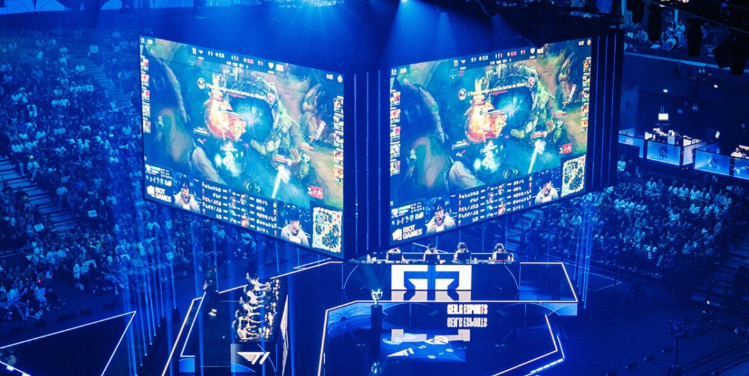
Esports 2025 Prize Money Soars as Tournaments Go Global
Esports has gone from niche hobby to full-blown global industry. In 2025, one of the most striking trends is how prize money is skyrocketing. Big tournaments now span continents, involve dozens of game titles, and offer life-changing payouts. This article explores how and why prize pools are soaring, which events lead the growth, how esports is globalizing, and what challenges lie ahead.
The Explosion of Esports Prize Money in 2025
In 2025, esports is crossing new financial thresholds. The Esports World Cup (EWC) 2025 boasts a record combined prize pool exceeding US$ 70 million — the largest ever for a multi-game event.
This total includes:
- US$ 27 million allocated to the Club Championship — rewarding top organizations.
- US$ 38 million for individual Game Championships across many titles.
- Smaller amounts reserved for qualifiers, MVP awards, and special bonuses.
Also, specific big titles shine:
- League of Legends World Championship 2025 has a prize pool of US$ 5 million.
- PUBG Mobile World Cup 2025 offers roughly US$ 3.05 million across group stage, finals, and individual awards.
- For Tekken 8 in EWC, the prize pool is US$ 1 million, with the top prize about US$ 300,000.
Beyond individual tournaments, overall prize money across all esports in 2025 remains impressive. For example, games like Counter-Strike 2 and Dota 2 are among the top titles by cumulative payouts in the year.
Major Global Tournaments Leading the Surge
Esports World Cup (EWC) 2025
The EWC is the flagship showcase in 2025. It spans 25 tournaments across many game titles and runs over weeks in Riyadh. It expands its lineup compared to 2024, adding new game genres and increasing prize money.
The Club Championship is especially notable: organizations that field competitive teams in multiple games accumulate “points” and earn shares of the $27 million club fund.
League of Legends “Worlds 2025”
LoL remains a marquee title. The 2025 World Championship grants $5 million total, with a top prize of $1 million for the winner.Each place from 2nd through 17th receives decreasing amounts.
PUBG Mobile & Other Mobile Esports
In 2025, mobile esports continue to grow. PUBG Mobile World Cup returns with $3.05 million total prizes, split among stages and top teams.
Games like Mobile Legends, Apex Legends, Valorant, and games from the fighting and sports genres also contribute to the breadth of tournaments.
Why Prize Pools Are Growing so Fast
Investment & Sponsorship
Brands, game publishers, and even governments now see esports as a marketing opportunity. Big sponsors bring large funding. In places like Saudi Arabia, esports is part of national strategy to diversify economies.
Club & Ecosystem Models
The club model — where esports organizations field teams in multiple games — encourages cross-investment. Clubs that perform well across many titles can unlock large shared rewards (as seen in the EWC’s club fund).
Global Media Rights & Viewership
Streaming and broadcasting rights now generate money. Large audiences in Asia, North America, Latin America, and beyond mean more ad revenue and platform deals.
Competitive Differentiation
To attract top talent, events must offer big payouts. Organizers raise prize pools to stand out.
Ecosystem Maturity
Esports infrastructure — logistics, tournament platforms, talent agencies — has matured. This makes large events more feasible globally.
The Global Reach: Geographies, Games & Clubs
Geographical Spread
Esports now host major tournaments in the Middle East, Asia, Europe, and the Americas. The EWC 2025 in Riyadh is a prime example of the Middle East as a new hub.
Diverse Game Types
Esports is no longer just shooters or MOBAs. The 2025 EWC includes:
- First appearance of Chess as a digital (blitz) competition.
- Fighting games (e.g. Tekken 8) with million-dollar pools.
- Sports, racing, strategy, and mobile genres.
Club & Team Strategy
Organizations recruit across genres: one club may have a CS2 team, a LoL roster, a Tekken pro, and a chess grandmaster. Points across all divisions feed into club rewards.
Top clubs include names like Falcons, Team Liquid, Gen.G, Karmine Corp among others, which dominate club standings.
Risks & Challenges Ahead
Financial Sustainability
While big prize pools capture headlines, not all tournaments or teams are financially stable. Some organizations face cash flow or investment risks.
Inequality & Concentration
Large organizations dominate access, making it harder for smaller or regional teams to break in.
Regulatory & Ethical Concerns
As governments intervene, regulation around gambling, game content, and streaming may tighten.
Scheduling & Burnout
Players now compete across many tournaments in different time zones — fatigue, travel, and mental health are concerns.
Technical Infrastructure
Ensuring fair play, robust servers, anti-cheat systems, and seamless broadcasting at global scale is nontrivial.
Looking Toward the Future
In the coming years, we may see:
- “Olympic” Esports or inclusion in multi-sport events.
- More collaboration between traditional sports clubs and esports.
- New monetization: in-game assets, NFTs, interactive viewing experiences.
- Regional hubs in Africa, Latin America, and Southeast Asia.
- Better player protections, contracts, and unionization movements.
If trends hold, Esports 2025: Prize Money Soars is just the beginning.
FAQ
Q1: What caused esports prize money to rise so much in 2025?
A: Big investments, global sponsors, mature esports infrastructure, and competition among event organizers all drove prize pools upward.
Q2: How is the $70 million in EWC 2025 distributed?
A: It’s split among club funds, individual game championships, qualifying events, and MVP or bonus awards.
Q3: Can small teams compete at this high level?
A: Yes, via qualifiers. But large clubs with deep resources have a strong advantage.
Q4: Why include chess in esports?
A: Chess fits well in a digital & streamed format, and it adds variety to the competition lineup.
Q5: Are high prizes good for the esports industry?
A: They bring attention, but sustainability, fairness, and supporting mid-tier players remain challenges.
