


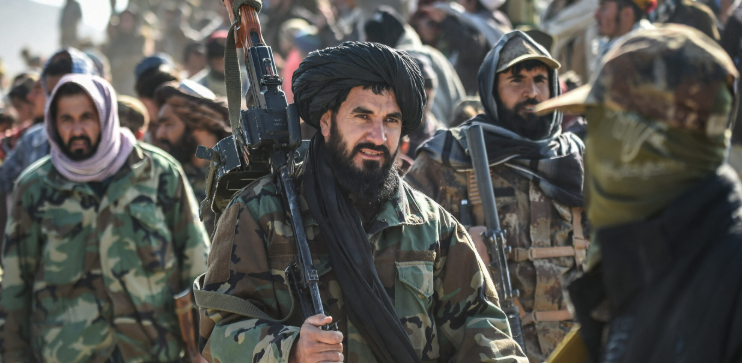
Escalation at the Pakistan–Afghanistan Border — Causes and Consequences
Tensions along the Pakistan–Afghanistan border have flared dramatically after Pakistan reportedly launched drone strikes inside Afghanistan, targeting leaders of the Tehreek-e-Taliban Pakistan (TTP). In retaliation, Afghan forces struck Pakistani border posts, leading to deadly exchanges, border closures, and fears of a sustained border conflict. This article unpacks the causes, the battlefield dynamics, and what might come next.
Background: TTP and Cross-Border Tensions
For years, Islamabad has accused Kabul—particularly the Afghan Taliban administration—of providing safe haven to the TTP, a militant group that has waged an insurgency inside Pakistan. The TTP aims to overthrow the Pakistani state and enforce strict Islamic rule. Pakistan argues that many TTP fighters cross from Afghanistan and launch attacks inside its territory. Kabul denies these claims, often stating it does not permit its land to be used for aggression against others.This friction over insurgents and border control has repeatedly strained relations between the two neighbors. The border itself—largely the so-called Durand Line—remains contested by Afghanistan, adding a territorial dimension to the dispute. In recent years, Pakistan has increasingly carried out aerial or drone operations targeting suspected militant hideouts in Afghanistan, which Kabul views as violations of its sovereignty.
The Recent Spark: Drone Strikes and Afghan Response
The immediate escalation began when Pakistani forces allegedly launched drone strikes into Afghan territory targeting senior TTP figures. One reported aim was the head of the TTP, who was believed to be traveling inside Kabul. Pakistani officials have not publicly confirmed all details but have indicated the strikes were intended to neutralize militant threats.Afghanistan responded by launching retaliatory strikes against Pakistani border posts. Afghan forces claimed they were defending their territory against violations of airspace and land intrusion. The retaliation was described as “overnight operations” against Pakistani positions.This tit-for-tat action escalated tensions quickly, setting the stage for wider clashes.
Clashes at Key Border Crossings
The exchange of fire was not limited to remote hills—it involved multiple key border areas. Among the hotspots were the strategic crossings of Torkham and Chaman, which are vital for trade, civilian movement, and transit between the two countries.
- Torkham Crossing: A major transit route linking Pakistan’s Khyber Pakhtunkhwa with eastern Afghanistan, connecting trade and traffic flows between both nations.
- Chaman Crossing: Located in Balochistan province, this crossing handles significant vehicular and commercial traffic to southern Afghanistan.
During the clashes, both sides claimed to have captured or destroyed outposts:
- Afghanistan claimed to have killed 58 Pakistani soldiers, captured 25 Pakistani army posts, and wounded dozens.
- Pakistan, in turn, acknowledged fewer deaths (about 23 soldiers) but stated it had neutralized over 200 Taliban and affiliated militants and destroyed hostile positions across the border.
As a result, Pakistan closed multiple border crossings—Torkham, Chaman, and several smaller ones such as Kharlachi, Angoor Adda, and Ghulam Khan—to curb further escalation and cross-border movement.
Gunfire and artillery exchanges were reported in border districts such as Kurram, Bajaur, Dir, and parts of Balochistan. In some areas, intermittent firing continued even as major engagements reduced.
Human, Economic, and Political Impact
Human Toll and Displacement
Civilians on both sides of the border have been caught in the crossfire. Border villages have seen evacuations, damage to homes, and fear among residents. Casualty figures remain disputed. The disruption to daily life is severe: people cannot safely cross the border, and essential services are interrupted.
Economic and Trade Disruption
The closure of key crossings has immediately halted cross-border trade and transit flows. Goods destined for Afghanistan remain stranded, creating supply bottlenecks. Afghanistan, being landlocked, depends heavily on imports through Pakistan. Extended border closures could deepen shortages in Afghan markets and hurt local economies in border areas on both sides.
Political and Security Fallout
The escalation has heightened nationalistic sentiments in both countries. Pakistan insists on its right to counter terrorism emanating from across the border. Afghanistan defends its sovereignty and condemns unilateral strikes. Domestically, Pakistani leaders use the situation to justify stricter security measures; in Afghanistan, the Taliban government seeks to project strength and preserve legitimacy among wary observers.
Regional Dynamics and Diplomatic Moves
Given the strategic importance of South and Central Asia, regional actors have responded quickly:
- Saudi Arabia and Qatar issued statements urging restraint and dialogue, expressing concern over violence escalating further.
- Iran and neighboring states emphasized that stability on the Pakistan–Afghanistan border is crucial for regional security.
- India has remained cautious in its public statements but is a stakeholder due to its engagements in Afghanistan and its tense relations with Pakistan.
Diplomacy is under strain. Each side rejects outright blame. Negotiating mechanisms may be sought through third-party mediation, but mutual distrust is high.
Possible Scenarios Ahead
Given the current trajectory, several paths are possible:
- Prolonged border skirmishes
If both sides remain defiant, clashes may persist along frontier villages and crossing points, risking wider conflict. - De-escalation through diplomacy
International pressure or mediation could lead to a ceasefire and reopening of borders if both agree to back down. - Targeted retaliation & countermeasures
Pakistan may continue drone or aerial operations, and Afghanistan may respond with selective strikes—leading to a dangerous cycle of retaliation. - Spillover into multi-front conflict
If other militant groups or regional actors get involved, the conflict could expand beyond bilateral clashes.
In any scenario, lives, trade, and regional security are at stake. The window for measured diplomacy is narrow.
FAQ
Q1: What is the TTP and why does Pakistan target them in Afghanistan?
The TTP (Tehreek-e-Taliban Pakistan) is a militant group that attacks inside Pakistan. Pakistan claims that some TTP fighters shelter in Afghanistan. To reduce threats inside its territory, Pakistan sometimes carries out strikes to target their leaders across the border.
Q2: Why are the border crossings like Torkham and Chaman important?
These crossings serve as crucial trade, transit, and travel points between Pakistan and Afghanistan. Closing them disrupts commerce, supplies, and daily movement for many people.
Q3: Are these drone strikes legal under international law?
The legality is highly contested. Striking another country’s territory without its consent violates norms of sovereignty. However, states often argue self-defense if militant groups operate across borders. The ambiguity and claims and counterclaims make it a serious legal and diplomatic confrontation.
Q4: What will happen to civilians near the border?
Civilians may face danger, displacement, loss of access to basic services, and economic hardship. Many may flee border zones seeking safety, while trade and livelihoods suffer.
Q5: How likely is it that these clashes will lead to a full-scale war?
A full war is unlikely in the near term because both sides risk heavy costs. But repeated clashes carry danger of escalation. The situation depends on restraint, diplomacy, and pressure from regional powers.
