


Table of Contents
ToggleEco-Tourism in India: Sustainable Travel Options
As travel continues to grow across the world, so does the responsibility to protect the environment and preserve cultural heritage. In a country as diverse and ecologically rich as India, this responsibility becomes even more important. From fragile Himalayan ecosystems to dense forests, coastal regions, and wildlife habitats, India’s natural beauty needs careful and conscious exploration.
Eco-tourism has emerged as a meaningful way to travel—one that focuses on sustainability, conservation, and community involvement. It encourages travelers to explore destinations responsibly while contributing positively to the environment and local communities.
In this guide, we will explore what eco-tourism means in the Indian context, the best destinations for sustainable travel, and how you can become a responsible traveler.
What Is Eco-Tourism?
Eco-tourism is more than just visiting natural places. It is a form of travel that aims to minimize environmental impact and support conservation efforts.
Key Principles of Eco-Tourism
-
Environmental Conservation: Protecting natural habitats and wildlife
-
Cultural Respect: Preserving local traditions and communities
-
Sustainability: Using resources responsibly
-
Community Involvement: Supporting local economies and livelihoods
Eco-tourism is about creating a balance between exploration and preservation.
Why Eco-Tourism Matters in India
India is home to some of the world’s most unique ecosystems, including:
-
The Himalayas
-
The Western Ghats
-
Mangrove forests like the Sundarbans
-
Desert ecosystems
-
Coral islands
These regions are not only beautiful but also fragile. Uncontrolled tourism can lead to pollution, habitat destruction, and loss of biodiversity.
Eco-tourism helps address these challenges by promoting responsible travel practices and raising awareness among visitors.
Eco-Tourism Destinations in India
India offers numerous destinations where sustainable travel is not only possible but actively encouraged.
Ladakh: Preserving High-Altitude Ecosystems
Ladakh is known for its stunning landscapes and unique culture. However, its fragile environment requires careful handling.
Sustainable Practices
-
Use of solar energy in many areas
-
Water conservation efforts
-
Promotion of local culture and traditions
Eco-Friendly Experiences
-
Staying in traditional homestays
-
Exploring monasteries respectfully
-
Participating in local cultural activities
Ladakh teaches travelers how to appreciate nature without disturbing it.
Sikkim: India’s Green State
Sikkim is often considered one of the most environmentally conscious states in India.
What Makes It Special?
-
Ban on plastic bags
-
Organic farming practices
-
Clean and well-maintained environment
Eco-Tourism Activities
-
Trekking in protected areas
-
Visiting organic farms
-
Exploring monasteries and villages
Sikkim sets an example of how tourism and sustainability can coexist.
Kerala: Responsible Tourism Model
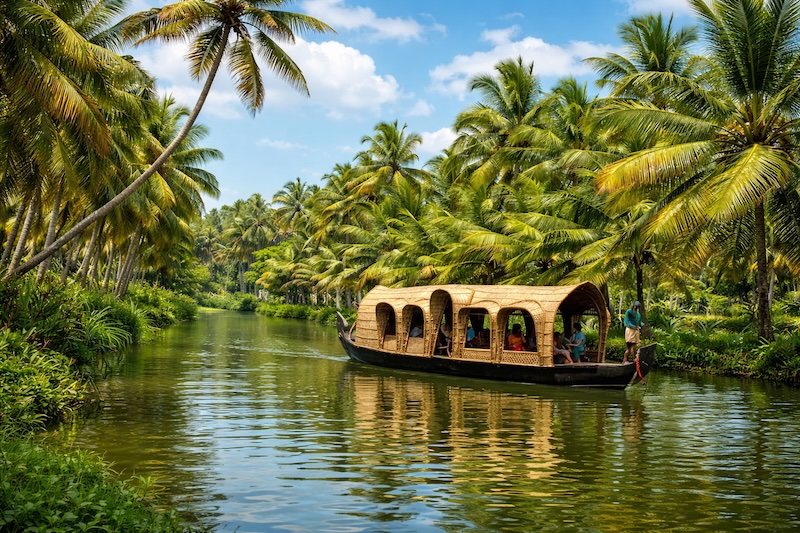
Kerala has developed a structured approach to eco-tourism through community participation.
Key Features
-
Involvement of local communities
-
Promotion of traditional lifestyles
-
Focus on natural and cultural experiences
Eco-Friendly Activities
-
Village tours
-
Backwater exploration
-
Nature walks
Kerala’s approach ensures that tourism benefits both visitors and locals.
Kaziranga National Park: Wildlife Conservation
Kaziranga is a prime example of conservation-focused tourism.
Why It Matters
-
Protection of endangered species like the one-horned rhinoceros
-
Strict regulations for visitors
-
Focus on habitat preservation
Eco-Friendly Experience
-
Guided safaris with minimal disturbance
-
Awareness about wildlife conservation
Kaziranga highlights the importance of protecting biodiversity.
Sundarbans: Fragile Mangrove Ecosystem
The Sundarbans is one of the most delicate ecosystems in India.
Challenges
-
Climate change
-
Rising sea levels
-
Human impact
Sustainable Travel Practices
-
Controlled tourism activities
-
Eco-friendly boat safaris
-
Support for local communities
Visiting the Sundarbans requires awareness and responsibility.
Spiti Valley: Minimal Impact Travel
Spiti Valley offers a raw and untouched landscape that demands sustainable travel practices.
Eco-Tourism Highlights
-
Use of local resources
-
Respect for traditional lifestyles
-
Limited infrastructure to reduce impact
Travelers here learn to adapt to nature rather than altering it.
Meghalaya: Living in Harmony with Nature
Meghalaya is known for its natural beauty and eco-friendly practices.
Unique Features
-
Living root bridges
-
Community-led conservation efforts
-
Clean villages like Mawlynnong
Eco-Friendly Activities
-
Exploring natural trails
-
Learning about local traditions
-
Supporting sustainable initiatives
Meghalaya showcases how communities can lead conservation efforts.
Types of Eco-Tourism Experiences
Eco-tourism in India is not limited to one type of activity. It includes a variety of experiences:
1. Wildlife Safaris
Focus on observing animals in their natural habitats without disturbing them.
2. Trekking and Nature Walks
Explore landscapes while minimizing environmental impact.
3. Cultural Tourism
Engage with local communities and traditions respectfully.
4. Agricultural Tourism
Learn about farming practices and rural life.
5. Marine and Coastal Tourism
Explore beaches and islands responsibly.
Each type of experience contributes to sustainable travel in its own way.
How to Travel Sustainably in India
Being an eco-conscious traveler does not require major changes—small steps can make a big difference.
1. Reduce Plastic Use
Carry reusable bottles and bags.
2. Support Local Communities
Choose local guides, food, and products.
3. Respect Wildlife
Avoid disturbing animals or their habitats.
4. Conserve Resources
Use water and electricity responsibly.
5. Follow Local Rules
Respect guidelines set by authorities and communities.
The Role of Local Communities
Eco-tourism is most effective when local communities are involved.
Benefits for Communities
-
Employment opportunities
-
Preservation of culture
-
Improved infrastructure
When communities benefit from tourism, they are more likely to protect their environment.
Challenges in Eco-Tourism
While eco-tourism has many benefits, it also faces challenges:
-
Lack of awareness among travelers
-
Over-tourism in certain areas
-
Limited infrastructure in remote regions
-
Balancing development and conservation
Addressing these challenges requires cooperation between governments, communities, and travelers.
The Future of Eco-Tourism in India
Eco-tourism is becoming increasingly important as travelers seek meaningful and responsible experiences.
Emerging Trends
-
Focus on sustainable accommodations
-
Increased awareness of environmental issues
-
Growth of community-based tourism
The future of travel in India lies in balancing exploration with preservation.
The Personal Impact of Eco-Tourism
Eco-tourism is not just about protecting the environment—it also changes the way we travel.
It encourages:
-
Mindful exploration
-
Respect for nature
-
Appreciation for local cultures
Travelers often return with a deeper understanding of the world and their role in protecting it.
Conclusion
Eco-tourism in India offers a powerful way to explore the country while preserving its natural and cultural heritage. From the mountains of Ladakh to the forests of Kaziranga and the villages of Meghalaya, sustainable travel options are growing across the country.
By choosing eco-friendly practices, travelers can contribute to conservation efforts, support local communities, and ensure that these beautiful destinations remain intact for future generations.
In the end, eco-tourism is not just a way of traveling—it is a mindset. It reminds us that the true joy of travel lies not only in discovering new places but also in protecting them.
