


Table of Contents
ToggleCultural Festivals You Must Experience in India
India is a country where celebrations are woven into everyday life. With its deep-rooted traditions, diverse communities, and vibrant cultural expressions, India hosts some of the most colorful and meaningful festivals in the world. These festivals are not just events—they are experiences that bring people together, reflect centuries-old traditions, and showcase the spirit of unity in diversity.
Every region, religion, and community in India has its own unique celebrations. From grand national festivals to local cultural gatherings, each one tells a story of faith, history, and human connection. Whether it’s the explosion of colors during Holi, the glowing lights of Diwali, or the rhythmic dances of Navratri, Indian festivals offer something unforgettable for every traveler.
In this guide, we will explore some of the most important and fascinating cultural festivals you must experience in India, along with what makes each one special.
The Cultural Significance of Festivals in India
Festivals in India are deeply connected to religion, seasons, agriculture, and history. They often mark significant events such as harvests, mythological stories, or changes in seasons.
Beyond their traditional meanings, festivals also serve as a time for:
-
Strengthening family bonds
-
Sharing food and joy
-
Expressing gratitude and faith
-
Celebrating community and togetherness
What makes Indian festivals truly unique is their inclusiveness. People from different backgrounds often participate in each other’s celebrations, creating a shared cultural experience.
Diwali: The Festival of Lights
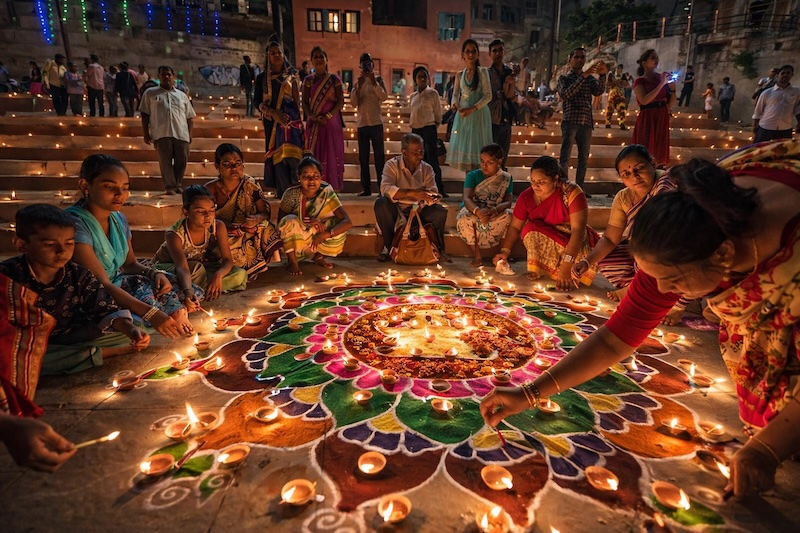
Diwali is one of the most widely celebrated festivals in India. Known as the Festival of Lights, it symbolizes the victory of light over darkness and good over evil.
What Happens During Diwali?
Homes are decorated with lamps, candles, and rangoli designs. People wear new clothes, exchange sweets, and celebrate with fireworks.
The festival is associated with different stories across regions, but the central theme remains the same—hope, positivity, and renewal.
Why You Should Experience It
Diwali transforms entire cities and villages into glowing landscapes. The atmosphere is filled with joy, making it one of the most magical times to visit India.
Holi: The Festival of Colors
Holi is perhaps the most playful and energetic festival in India. Celebrated in spring, it marks the arrival of a new season and the end of winter.
What Happens During Holi?
People gather in open spaces, throwing colored powders and water at each other. Music, dance, and festive food are an essential part of the celebration.
Cultural Meaning
Holi is associated with the legend of Prahlad and symbolizes the triumph of good over evil. It also represents joy, equality, and breaking social barriers.
Why You Should Experience It
Holi is not just a festival—it’s an emotion. It allows people to let go of differences and celebrate together in a spirit of pure happiness.
Navratri and Durga Puja: Celebrating Divine Power
Navratri and Durga Puja are festivals dedicated to the worship of the goddess Durga. While Navratri is celebrated across India, Durga Puja is especially grand in eastern regions.
Navratri
Navratri spans nine nights, each dedicated to a different form of the goddess. In many parts of India, people participate in traditional dances like Garba and Dandiya.
Durga Puja
Durga Puja involves elaborate decorations, artistic idols, and cultural performances. The festival celebrates the victory of goddess Durga over a demon, symbolizing the triumph of good over evil.
Why You Should Experience It
These festivals combine devotion, art, music, and community celebration, offering a rich cultural experience.
Eid: A Celebration of Faith and Generosity
Eid is one of the most important festivals for Muslims in India. There are two main Eid celebrations—Eid al-Fitr and Eid al-Adha.
What Happens During Eid?
People gather for prayers, wear traditional clothes, and share meals with family and friends. Charity and generosity are central to the festival.
Cultural Significance
Eid represents gratitude, compassion, and unity. It emphasizes the importance of helping those in need and strengthening community bonds.
Why You Should Experience It
Eid offers a glimpse into India’s diverse cultural fabric and highlights the importance of harmony and togetherness.
Christmas: A Joyful Celebration
Christmas is celebrated across India, especially in regions with Christian communities. The festival marks the birth of Jesus Christ and is filled with joy and warmth.
What Happens During Christmas?
Churches are decorated, midnight masses are held, and homes are filled with lights and festive decorations. People exchange gifts and enjoy special meals.
Why You Should Experience It
Christmas in India blends global traditions with local culture, creating a unique and heartwarming celebration.
Pongal and Makar Sankranti: Harvest Festivals
These festivals mark the harvest season and are celebrated in different parts of India.
Pongal (Tamil Nadu)
Pongal is a four-day festival that celebrates agricultural abundance. Traditional dishes are prepared, and gratitude is expressed for nature’s blessings.
Makar Sankranti (Across India)
Makar Sankranti is known for kite flying, especially in states like Gujarat and Rajasthan. It marks the transition of the sun into a new zodiac sign.
Why You Should Experience Them
These festivals highlight India’s agricultural roots and offer a chance to witness traditional rural celebrations.
Baisakhi: Celebrating Prosperity and New Beginnings
Baisakhi is an important festival in Punjab, marking the harvest season and the Sikh New Year.
What Happens During Baisakhi?
People gather for prayers, perform traditional dances like Bhangra and Gidda, and celebrate with music and food.
Cultural Significance
Baisakhi is deeply connected to Sikh history and represents prosperity and community spirit.
Why You Should Experience It
The energy, music, and vibrant atmosphere make Baisakhi a joyful and memorable celebration.
Onam: Kerala’s Grand Festival
Onam is a major festival in Kerala, celebrating the homecoming of a legendary king.
What Happens During Onam?
The festival includes:
-
Traditional dance performances
-
Floral decorations (Pookalam)
-
Grand feasts served on banana leaves
Cultural Meaning
Onam represents prosperity, unity, and cultural pride.
Why You Should Experience It
The combination of tradition, food, and community celebration makes Onam truly special.
Ganesh Chaturthi: Honoring Lord Ganesha
Ganesh Chaturthi is celebrated with great enthusiasm, especially in Maharashtra.
What Happens During the Festival?
Large idols of Lord Ganesha are installed in homes and public spaces. After days of पूजा (worship), the idols are immersed in water.
Cultural Significance
The festival symbolizes new beginnings and the removal of obstacles.
Why You Should Experience It
The processions, music, and devotion create an electrifying atmosphere.
Rann Utsav: A Cultural Desert Festival
Held in Gujarat, Rann Utsav is a celebration of culture, art, and nature in the white desert of Kutch.
What Makes It Unique?
The festival features:
-
Traditional music and dance
-
Local crafts and cuisine
-
Stunning natural surroundings
Why You Should Experience It
Rann Utsav offers a blend of cultural richness and unique landscapes.
Hornbill Festival: Northeast India’s Cultural Showcase
The Hornbill Festival, held in Nagaland, brings together various tribes to celebrate their heritage.
What Happens During the Festival?
Visitors can experience:
-
Tribal dances
-
Traditional music
-
Local food and crafts
Why You Should Experience It
It provides a rare opportunity to explore the culture of Northeast India in one place.
Pushkar Camel Fair: A Unique Cultural Gathering
The Pushkar Camel Fair in Rajasthan is one of the most unusual and fascinating festivals in India.
What Happens During the Fair?
The event includes:
-
Camel trading
-
Cultural performances
-
Competitions and local markets
Why You Should Experience It
It offers a glimpse into rural life and traditional practices in a vibrant setting.
Experiencing Festivals as a Traveler
To truly enjoy Indian festivals, it’s important to approach them with openness and respect.
Tips for Travelers
-
Plan Ahead: Festivals can attract large crowds, so preparation is key
-
Respect Traditions: Follow local customs and dress appropriately
-
Engage with Locals: Interacting with people enhances the experience
-
Stay Safe: Be mindful of your surroundings during large gatherings
The Emotional and Cultural Impact of Festivals
Indian festivals are not just about celebration—they are about connection. They bring people together, bridge differences, and create lasting memories.
They also offer insights into India’s history, beliefs, and way of life. Each festival is a reflection of the values and traditions that have been passed down through generations.
Conclusion
Experiencing cultural festivals in India is like stepping into a world of color, music, and emotion. Each celebration tells a story, whether it’s about faith, nature, history, or community.
From the sparkling lights of Diwali to the vibrant colors of Holi, from the spiritual depth of Eid to the cultural richness of Onam, India’s festivals offer something for everyone.
For travelers, these festivals provide an opportunity to go beyond sightseeing and truly connect with the soul of the country. They remind us that joy is universal, and celebration is a powerful way to bring people together.
In the end, attending a festival in India is not just about witnessing an event—it’s about becoming a part of it.
