


A Halftime Show That Took Over the Internet
Long before the first note played, excitement around the Super Bowl 2026 halftime show was already building. Fans across the world were curious about what kind of performance would unfold, especially with expectations running high after years of increasingly elaborate halftime productions. Social media buzz, fan predictions, and endless speculation created a sense that something special was about to happen. By the time the lights dimmed and the performance began, millions were already watching closely, waiting for a moment that could define the night.
It didn’t take long for that moment to arrive. Within minutes, clips from the performance began spreading rapidly online. Viewers shared reactions in real time, posting highlights, surprise appearances, and unforgettable scenes across platforms. The halftime show quickly became one of the most talked-about events of the evening, dominating timelines and sparking conversations far beyond the stadium. Even people who weren’t watching the game tuned in afterward just to see what everyone was talking about.
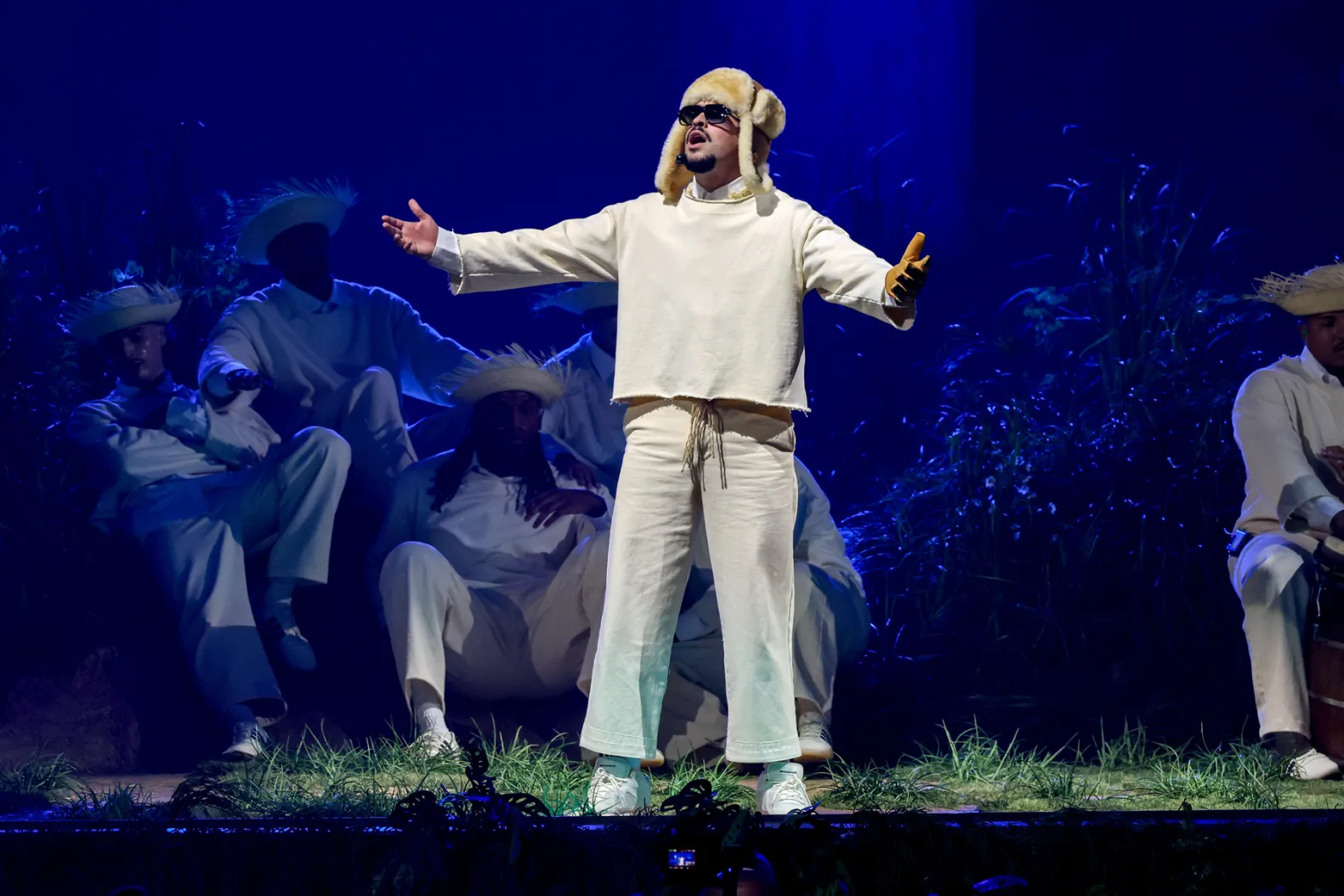
What made this halftime show stand out wasn’t just the scale or the production value—it was the energy and unpredictability of the performance. Instead of following a familiar formula, the show felt dynamic and alive, blending music, visuals, and cultural expression in a way that felt fresh and personal. The performance balanced high-energy moments with emotional ones, creating a rhythm that kept audiences engaged from beginning to end. It felt less like a standard halftime show and more like a carefully crafted live experience designed to connect with viewers everywhere.
As the performance unfolded, surprise appearances added to the excitement, keeping fans guessing about what might happen next. Each unexpected moment fueled online discussions and added to the sense that viewers were witnessing something memorable. Beyond the surprises, the show also sparked conversations about cultural influence, performance artistry, and the growing global reach of modern music.
By the end of the night, it was clear that this halftime show had achieved something rare—it became more than just entertainment. It turned into a shared cultural moment, one that fans continued to discuss, replay, and analyze long after the final performance ended.
Why This Halftime Show Was Different
What made this halftime show feel different from the start was its energy. Instead of relying only on large visuals or familiar performance formulas, the show leaned heavily into personality and movement. The stage felt alive, constantly shifting with the rhythm of the music, while the performer’s presence kept the momentum strong from one moment to the next. There was a sense of spontaneity that made the performance feel less scripted and more like a live celebration unfolding in real time.
Another key reason the show stood out was the way music, choreography, and storytelling blended together seamlessly. Each song transition felt intentional, with dancers, lighting, and visuals helping to connect one moment to the next. Rather than feeling like a collection of separate songs, the performance told a story through sound and motion. High-energy dance sections were balanced with slower, more emotional moments, creating contrast and keeping viewers emotionally invested throughout the entire set.
The performance also reflected a strong cultural influence that resonated far beyond the stadium. Elements of style, rhythm, and visual storytelling highlighted a global perspective, showing how music today connects audiences across different languages and backgrounds. This wider appeal helped the show reach viewers worldwide, many of whom felt represented in a way that halftime performances don’t always achieve.
Equally important was the audience’s reaction. The crowd’s energy played a huge role in shaping the atmosphere, with cheers growing louder as surprises unfolded. Viewers at home could feel that excitement through the screen, and social media amplified it even further. Real-time reactions, shared clips, and fan commentary made the performance feel like a shared experience happening all at once across the world.
Full Celebrity Cameo List from the Performance
Surprise Guest Appearances
One of the biggest talking points of the night was the series of unexpected guest appearances. Each surprise entrance shifted the energy instantly, creating moments that caught both the crowd and viewers at home off guard. These appearances were carefully timed, arriving just when the performance seemed to reach a peak, which helped maintain excitement and unpredictability. As each guest appeared, the audience response grew louder, and online reactions followed almost immediately, with fans sharing clips and expressing shock and excitement in real time.
Musical Collaborations on Stage
The collaborative moments added another layer to the performance. When artists shared the stage, the energy changed naturally, allowing different styles and voices to blend together. Transitions between songs felt smooth, with performers feeding off each other’s energy rather than competing for attention. These moments created some of the night’s most memorable scenes, showing how collaboration can elevate a live performance when the chemistry feels genuine.
Non-Musical Celebrity Appearances
Beyond the musical guests, appearances from well-known public figures and entertainers added an extra dimension to the show. Their roles were brief but meaningful, often enhancing the performance’s narrative or adding visual surprise. These moments helped expand the halftime show beyond music alone, turning it into a broader entertainment experience that appealed to a wider audience and kept viewers guessing about what might happen next.
Most Viral Moments Everyone Is Talking About
From the very beginning, the halftime show delivered moments that instantly caught viewers’ attention. The opening scene set the tone for everything that followed, combining dramatic visuals with a powerful entrance that immediately pulled audiences in. Within seconds, viewers were sharing clips online, praising the confidence and energy that made the start feel bold and unforgettable. It was the kind of opening that made people stop scrolling and start watching.
As the performance continued, mid-show surprises kept the excitement building. Unexpected transitions, sudden guest appearances, and shifts in tempo made it difficult to predict what would happen next. Each surprise added a new layer to the performance, giving fans fresh moments to talk about and replay. These sections quickly became highlights across social platforms, as viewers reacted in real time to scenes they hadn’t seen coming.
Dance and choreography also played a huge role in the show’s viral success. Certain routines stood out for their precision and creativity, inspiring fans to recreate moves almost immediately after the broadcast ended. Short clips of these dance moments spread rapidly, turning parts of the performance into trending challenges and discussions. The choreography felt energetic but accessible, which helped it resonate with both dedicated fans and casual viewers.
The final moments of the performance left a lasting impression. The closing visual combined music, lighting, and emotion in a way that felt both celebratory and cinematic. It gave the show a strong sense of completion, leaving audiences with an image that many described as iconic. Long after the performance ended, this final scene continued to circulate online, becoming one of the most shared moments of the night.
Hidden Details Fans Might Have Missed
Beyond the obvious highlights, the halftime show included several subtle details that fans began noticing only after rewatching the performance. The stage design and visual elements appeared carefully planned, with colors, patterns, and movement reflecting deeper themes rather than serving only as decoration. Many viewers pointed out how certain visual choices seemed to represent identity, journey, or artistic evolution.
Costume choices also contributed to the storytelling. Changes in style and color throughout the performance appeared to mirror shifts in mood and energy, helping guide the audience through different phases of the show. These details added depth without interrupting the flow, rewarding viewers who paid close attention.
There were also moments that seemed to reference earlier music and cultural influences. Whether through rhythm, visual cues, or performance style, these subtle nods connected the present performance to a broader artistic background. For longtime fans, these references created an additional emotional layer, making the show feel personal as well as entertaining.
Underlying it all was a quiet sense of storytelling. The performance didn’t rely on direct explanations but instead used movement, transitions, and visuals to suggest a narrative that viewers could interpret in their own way. This openness encouraged discussion and analysis long after the show ended.
Social Media Reaction and Fan Response
Audience reactions began pouring in almost immediately as the performance aired. Viewers shared excitement, surprise, and emotional responses in real time, turning the halftime show into a global online conversation. Many people who hadn’t watched the event live ended up seeing clips through social feeds, which helped extend the performance’s reach far beyond the original broadcast.
Online discussions quickly evolved into theories and debates about hidden meanings, favorite moments, and unexpected appearances. Fans analyzed details frame by frame, while others focused on ranking performances or predicting how the show would be remembered in the future. These conversations kept the momentum going well after the night ended.
One reason the clips spread so quickly was their shareable nature. Short, visually striking moments worked perfectly for social platforms, allowing viewers to relive key scenes in seconds. The combination of music, movement, and surprise made the content easy to share and easy to react to, fueling its viral growth.
Interestingly, reactions varied between general audiences and dedicated fans. Casual viewers focused on the spectacle and entertainment value, while longtime followers discussed deeper references and artistic choices. Together, these perspectives helped turn the halftime show into more than just a performance—it became a cultural moment shaped by the audience itself.
How This Performance Impacts Future Halftime Shows
This halftime show has already started shaping conversations about what future performances might look like. One of the biggest changes it brings is the expectation for originality. Audiences now expect more than just a series of hit songs — they want a performance that feels personal, creative, and memorable from start to finish. Future performers may feel encouraged to take bigger creative risks, focusing on storytelling and emotional connection rather than relying only on spectacle.
The performance also raises the bar for live production standards. From pacing and transitions to choreography and stage presence, every element worked together in a way that felt intentional and polished. This level of coordination shows how halftime shows are evolving into full-scale live experiences rather than short concert sets. As a result, upcoming performers may place greater emphasis on creating cohesive narratives and visually engaging moments that translate well both inside the stadium and across digital platforms.
Another lasting impact is the growing sense of global representation in major entertainment events. The performance demonstrated how music and culture from different parts of the world can connect with a massive international audience. This shift reflects the changing nature of pop culture itself, where global sounds and influences are becoming central rather than secondary. Future halftime shows may continue to embrace this diversity, giving space to artists and styles that reflect a wider global audience.
Conclusion: A Performance That Defined the Night
By the end of the evening, it was clear that this halftime show had become one of the defining moments of the event. It combined energy, surprise, and creativity in a way that kept audiences engaged from beginning to end. The balance between large-scale entertainment and personal artistic expression helped the performance stand out, leaving viewers with moments they wanted to watch again and again.
What made the show truly unforgettable was its ability to bring people together in a shared experience. Whether viewers were drawn in by the music, the visual storytelling, or the unexpected appearances, the performance sparked conversations that continued long after the final note faded. It wasn’t just about entertainment — it was about creating a moment that people felt part of.
In the long run, the performance will likely be remembered not only for its viral moments but for how it reflected the evolving direction of live entertainment. It showed that halftime shows can be bold, culturally meaningful, and globally resonant at the same time. That lasting influence is what ultimately makes it a performance that defined the night.
FAQ Section
Who appeared during the halftime performance?
The performance featured several surprise appearances, including musical collaborators and well-known public figures who joined at different moments throughout the show, adding excitement and unpredictability.
Why did the halftime show go viral?
The combination of unexpected moments, strong visuals, energetic choreography, and real-time audience reactions made the performance highly shareable across social media platforms.
What made this performance unique?
Its seamless blend of music, storytelling, choreography, and cultural influence created a performance that felt cohesive and emotionally engaging rather than just a collection of songs.
Which moment received the biggest audience reaction?
The opening entrance and the final closing sequence generated some of the strongest reactions, along with several surprise appearances that caught viewers off guard.
Will this halftime show influence future performances?
Yes, it is likely to influence future halftime shows by encouraging more creative storytelling, higher production standards, and broader global representation in live performances.
Visit [Timesscopejournal] to catch every celebrity cameo, viral moment, and fan reaction from Bad Bunny’s Super Bowl 2026 Halftime Show — the performance that took the internet by storm.
