


Table of Contents
ToggleA Foodie’s Guide to India’s Regional Cuisines
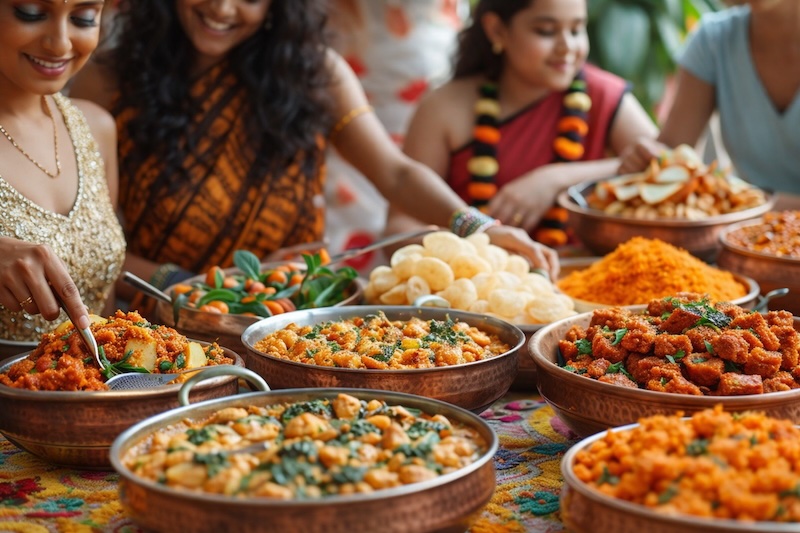
India is a paradise for food lovers. Its cuisine is as diverse as its culture, geography, and history. Every region in India has its own unique flavors, cooking styles, and traditional dishes shaped by local ingredients, climate, and cultural influences. From the rich gravies of the north to the coconut-infused dishes of the south, from the spicy street food of the west to the subtle flavors of the east—Indian cuisine offers an endless journey of taste.
This guide explores India’s regional cuisines in depth, helping you understand what makes each one special and what dishes you should try to truly experience the country’s culinary richness.
Understanding the Diversity of Indian Cuisine
Indian food is not just about spices—it’s about balance, technique, and tradition. The flavors in Indian cuisine are built using a combination of spices, herbs, and cooking methods that vary widely across regions.
Key factors that influence regional cuisines include:
-
Climate: Coastal regions use seafood and coconut, while colder regions favor hearty dishes.
-
Agriculture: Local crops determine staple ingredients like rice, wheat, or millet.
-
Culture and Religion: Dietary habits vary based on beliefs and traditions.
-
History: Trade, invasions, and colonial influence have shaped many dishes.
This diversity ensures that no two regions taste the same.
North Indian Cuisine: Rich, Bold, and Comforting
North Indian cuisine is perhaps the most widely recognized style of Indian food globally. Known for its rich gravies, use of dairy, and aromatic spices, it offers comforting and hearty meals.
Key Features
-
Use of wheat-based breads like roti, naan, and paratha
-
Creamy gravies made with butter, cream, and yogurt
-
Prominent use of spices like garam masala
Must-Try Dishes
-
Butter chicken
-
Paneer tikka
-
Dal makhani
-
Rogan josh
Regional Highlights
Punjab is famous for its robust flavors and generous use of butter and ghee. Kashmir offers dishes with subtle spices and unique ingredients like saffron.
Why It Stands Out
North Indian food is rich and satisfying, making it ideal for those who enjoy bold flavors and filling meals.
South Indian Cuisine: Light, Flavorful, and Diverse
South Indian cuisine is known for its simplicity, balance, and use of rice as a staple. It is lighter compared to northern dishes but equally flavorful.
Key Features
-
Use of rice, lentils, and fermented batters
-
Coconut as a major ingredient
-
Tempering with mustard seeds, curry leaves, and chilies
Must-Try Dishes
-
Dosa
-
Idli
-
Sambar
-
Rasam
Regional Highlights
Tamil Nadu focuses on traditional vegetarian dishes, while Kerala offers seafood-rich cuisine with coconut-based gravies. Andhra Pradesh is known for its spicy flavors.
Why It Stands Out
South Indian food is nutritious, diverse, and perfect for those who prefer lighter meals with strong flavors.
East Indian Cuisine: Subtle, Sweet, and Seafood-Rich
Eastern India offers a unique culinary experience with a focus on subtle flavors and a balance of sweet and savory.
Key Features
-
Use of mustard oil and seeds
-
Freshwater fish and rice as staples
-
Light cooking techniques
Must-Try Dishes
-
Fish curry
-
Rice-based meals
-
Sweets like rasgulla and sandesh
Regional Highlights
West Bengal is known for its fish dishes and desserts, while Assam offers simple yet flavorful meals with minimal spices.
Why It Stands Out
East Indian cuisine is delicate and less spicy, making it appealing to those who enjoy mild yet flavorful food.
West Indian Cuisine: A Mix of Flavors and Traditions
Western India is incredibly diverse, offering everything from spicy street food to sweet and savory vegetarian dishes.
Key Features
-
Wide variety of flavors
-
Use of spices, jaggery, and peanuts
-
Combination of vegetarian and non-vegetarian dishes
Must-Try Dishes
-
Pav bhaji
-
Dhokla
-
Vada pav
-
Laal maas
Regional Highlights
Gujarat is known for its vegetarian cuisine with a sweet touch, while Maharashtra offers bold street food. Rajasthan features rich and spicy dishes suited for desert conditions.
Why It Stands Out
West Indian cuisine is vibrant and varied, offering something for every palate.
Central Indian Cuisine: Simple Yet Flavorful
Central India, including Madhya Pradesh and Chhattisgarh, offers cuisine that is less explored but deeply satisfying.
Key Features
-
Use of local grains like millet
-
Simple cooking methods
-
Balanced flavors
Must-Try Dishes
-
Poha
-
Bhutte ka kees
-
Traditional tribal dishes
Why It Stands Out
The simplicity and authenticity of central Indian food make it unique and worth exploring.
Northeastern Cuisine: Fresh, Organic, and Unique
The northeastern states of India offer a completely different culinary experience. The food here is closer to nature, with minimal use of oil and spices.
Key Features
-
Use of fresh herbs and fermented ingredients
-
Focus on steaming and boiling
-
Unique flavors and ingredients
Must-Try Dishes
-
Bamboo shoot preparations
-
Smoked meats
-
Rice-based dishes
Why It Stands Out
Northeastern cuisine is clean, healthy, and unlike any other Indian food, making it a must-try for adventurous eaters.
Street Food Culture: The Heart of Indian Cuisine
No foodie guide to India is complete without mentioning street food. Every city has its own iconic street dishes that reflect local flavors.
Popular Street Foods
-
Chaat (a mix of spicy, tangy, and sweet flavors)
-
Pani puri
-
Samosa
-
Kathi rolls
Street food in India is not just about taste—it’s about experience. The bustling streets, the aroma of spices, and the quick preparation create a lively atmosphere.
Indian Sweets: A World of Their Own
Indian desserts are an essential part of the culinary experience. They vary widely across regions and are often associated with festivals and celebrations.
Popular Sweets
-
Gulab jamun
-
Jalebi
-
Rasgulla
-
Mysore pak
These sweets are often made with milk, sugar, and flour, offering rich and indulgent flavors.
The Role of Spices in Indian Cooking
Spices are the backbone of Indian cuisine. However, they are not just used for heat—they add depth, aroma, and complexity.
Common spices include:
-
Turmeric
-
Cumin
-
Coriander
-
Cardamom
-
Cloves
Each spice has its own role, and the combination creates the signature taste of Indian dishes.
Vegetarian and Vegan Traditions
India is one of the most vegetarian-friendly countries in the world. Many traditional dishes are naturally vegetarian or vegan.
Why It Matters
-
Influenced by cultural and religious practices
-
Offers a wide variety of plant-based options
-
Focus on nutrition and balance
This makes Indian cuisine accessible to a wide range of dietary preferences.
How to Explore Indian Cuisine as a Traveler
If you want to truly experience Indian food, consider these tips:
1. Try Local Dishes
Each region has its specialties, so always explore local flavors.
2. Eat Fresh
Freshly prepared food offers the best taste and experience.
3. Be Open to New Flavors
Indian cuisine is diverse, so don’t hesitate to try something unfamiliar.
4. Balance Your Meals
Indian food can be rich, so balance heavy dishes with lighter options.
The Cultural Connection of Food
Food in India is deeply connected to culture and tradition. Meals are often shared with family, and recipes are passed down through generations.
Festivals, rituals, and celebrations are closely tied to food, making it an integral part of life in India.
Conclusion
India’s regional cuisines offer a journey through flavors, traditions, and cultures. Each region tells its own story through food, shaped by its environment, history, and people.
From the rich dishes of the north to the light and flavorful meals of the south, from the subtle tastes of the east to the vibrant flavors of the west, Indian cuisine is as diverse as the country itself.
For food lovers, exploring India is not just about visiting places—it’s about tasting experiences. Every dish has a story, and every meal is an opportunity to connect with the culture.
In the end, a foodie’s journey through India is not just about satisfying hunger—it’s about discovering the soul of a nation through its flavors.
