


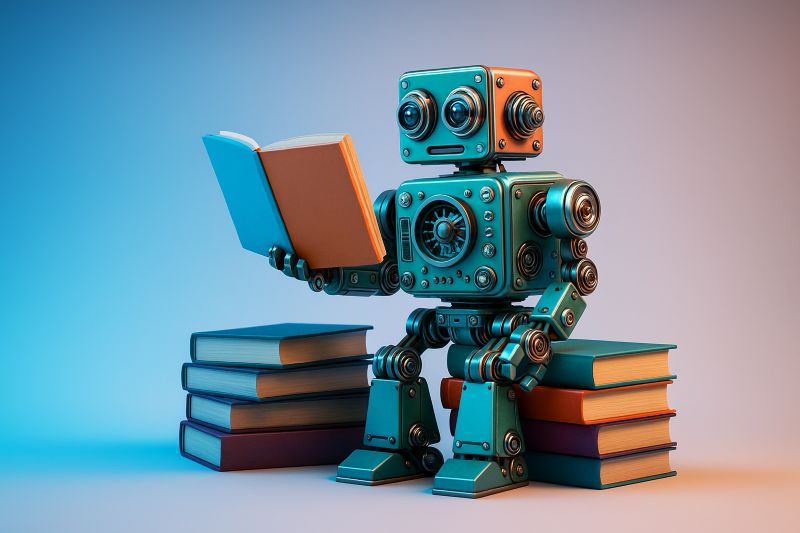
AI and Frontier Tech Acceleration: Inside the Global Race to Shape the Future
In the last decade, the world has entered a new technological era dominated by artificial intelligence (AI), machine learning (ML), robotics, advanced computing, and other frontier technologies. What once sounded like science fiction is now shaping economies, jobs, national security, and daily life. Nations and corporations are racing to build smarter machines, faster systems, and more powerful digital tools. The global tech race is no longer about who creates the fastest smartphone or strongest social media platform — it is about who will control the intelligence that powers the future.
Today, AI is writing code, diagnosing diseases, predicting markets, operating self-driving cars, helping scientists find new medicines, generating creative media, and guiding decisions in government and business. As competition intensifies, the acceleration of frontier tech has become one of the most important stories of our time.
The New Space Race: Technology as the Global Battleground
During the 20th century, countries competed to reach the Moon first. Now the mission has changed — nations want to lead in AI.
The United States, China, and the European Union are at the front of the race, but countries like India, the United Kingdom, Japan, South Korea, and Singapore are rapidly strengthening their capabilities. This competition is not only about innovation; it is also about global influence. Nations know that whoever leads in AI will control major economic power, cyber defense, industrial automation, and digital intelligence systems that shape the world’s infrastructure.
Governments are investing billions to attract scientists, build research hubs, and secure data and semiconductor supply chains. AI has become a matter of national security, just like energy and defense. The race is fierce, and the stakes are higher than ever.
Why the Acceleration is Happening Now
Several key forces are pushing AI development to new heights:
1. Explosive Growth of Computing Power
Modern AI models require massive computational power. With advanced chip designs and specialized AI processors, technology firms can train systems thousands of times faster than before. This leap enables rapid experimentation and breakthrough discoveries.
2. Data Revolution
Every second, millions of digital transactions, social messages, images, and sensor readings are generated. This ocean of data fuels machine learning models, helping them learn patterns, predict behaviors, and improve accuracy.
3. Cloud & Distributed Computing
Cloud platforms allow anyone — from startups to students — to access high-performance computing. This open access democratizes innovation, enabling small teams to compete with global giants.
4. Open-Source Development
AI software and research models are being shared publicly, leading to global collaboration. Developers worldwide can build tools, fix problems, and innovate faster than closed labs working alone.
5. Strong Business Demand
Companies know AI brings efficiency, cost savings, and growth. From banks to hospitals to factories, organizations are investing heavily to automate tasks, make smarter decisions, and enhance services.
Frontier Technologies Driving Transformation
AI may dominate headlines, but several advanced fields are evolving side-by-side, supporting and amplifying each other.
Machine Learning & Deep Learning
Core AI technologies that allow computers to learn patterns, predict outcomes, and recognize speech, images, and objects.
Quantum Computing
Still in early stages, quantum machines may soon solve problems impossible for classical computers, such as advanced drug discovery or encrypted data cracking. Major nations and tech firms are racing to achieve quantum supremacy.
Robotics & Automation
Intelligent robots are taking roles in logistics, manufacturing, agriculture, and even healthcare. Automation promises efficiency but also raises concerns about job displacement.
Neural Interfaces & Bio-Tech Integration
Technologies connecting the human brain with computers are emerging. These could restore mobility to disabled individuals, enhance human abilities, and redefine communication.
Advanced Cybersecurity
As systems become more intelligent, protecting them becomes more complex. AI is both a defense and an attack tool in cybersecurity, leading to rapid innovation.
Global Industry Leaders in AI
The tech giants driving frontier tech development include:
-
Google / Alphabet – AI research powerhouse, leading in deep learning and advanced systems
-
Microsoft – Major AI model partnerships, enterprise applications, and cloud AI development
-
OpenAI – Known for breakthrough generative AI models
-
Apple – Integrating AI for consumer ecosystems and privacy-focused AI
-
Meta – Heavy investments in AI research and open-source models
-
NVIDIA – Leader in AI chips powering global AI infrastructure
-
Amazon – AI automation in cloud, e-commerce and logistics
Along with them, thousands of startups are pushing innovation in healthcare tech, climate AI, industrial automation, and creative AI.
Impact on Jobs and Society
The rise of AI brings significant benefits but also complex challenges:
Positive Effects
-
Faster medical diagnosis and drug creation
-
Predictive tools for climate and disaster management
-
Better customer support and smarter services
-
Higher productivity in industries
-
Access to intelligent education tools
Risks and Concerns
-
Job displacement due to automation
-
Bias in AI systems affecting fairness
-
Privacy issues through data misuse
-
Rise of misinformation through AI-generated content
-
Cybersecurity vulnerabilities
Governments, researchers, and companies are debating ethical AI guidelines and safe deployment standards. Many experts agree: advancement must not happen without responsible governance.
Regulations and Policy Efforts
Countries are now setting rules to ensure AI is developed safely:
-
Europe has introduced frameworks emphasizing transparency and risk control.
-
The U.S. is focusing on safety standards, innovation freedom, and federal oversight.
-
Asia-Pacific nations are building balanced policies enabling growth and citizen protection.
The challenge is finding balance — promote innovation, but prevent harm.
AI in Everyday Life
AI is no longer a futuristic idea; it is already here:
-
Smartphones use AI for photography and voice assistance.
-
Cars use AI for navigation and collision prevention.
-
Streaming platforms recommend movies based on preferences.
-
Banks use AI to detect fraud and automate processes.
-
Students use AI tools to learn languages, code, and study smarter.
The invisible presence of AI has quietly integrated into our daily routines, shaping decisions and habits.
The Future Outlook
Experts believe AI development will move even faster in the coming years. We may see:
-
Fully intelligent virtual personal assistants
-
Smarter robots in homes and industries
-
Major breakthroughs in medicine and genetics
-
Quantum-enhanced AI solving scientific mysteries
-
Global digital workforce powered by automated systems
-
Universal AI-powered education platforms
-
Personalized healthcare and preventive disease prediction
However, success depends on responsible innovation. Technology must empower humanity — not replace or harm it.
Conclusion: A Defining Moment in Human History
The acceleration of frontier technology is not just a technological change — it is a global transformation. The countries and companies leading the AI race will shape the future economy, security systems, healthcare, education, and communication.
The challenge ahead is to use this power wisely. Innovation must be matched with ethics, safety, and fairness. As the world enters a new era, cooperation between nations, industries, and researchers will be essential.
The AI revolution is no longer coming — it has arrived. How we guide it today will determine the world we live in tomorrow.
Read More at Times Scope Journal.
