


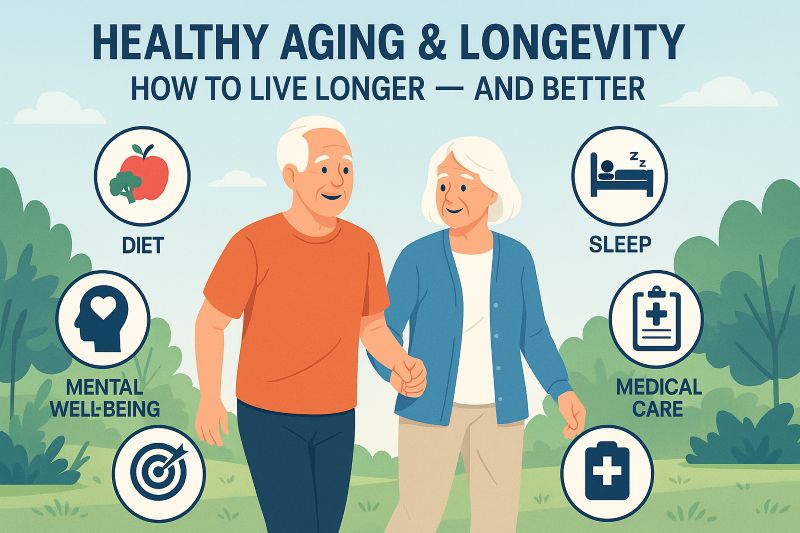
How to Live Longer and Better
Everyone wants to live a long life — but what’s the point of living longer if the last decades are filled with illness and fatigue? That’s why scientists and health experts today focus not just on lifespan (how long we live) but healthspan — how long we stay healthy, active, and mentally sharp.
Healthy aging isn’t about fighting time; it’s about aging well. It’s about understanding what your body needs at different stages of life and making choices that support your mind, body, and spirit for the long run.
This article explores the science and habits that help people live not just longer but better — from nutrition and exercise to stress management and modern longevity research.
Understanding Healthy Aging
What Does “Healthy Aging” Mean?
Healthy aging is the process of maintaining physical, mental, and emotional well-being as we grow older. It doesn’t mean trying to look young forever — it means keeping your body strong, your mind sharp, and your heart happy as the years go by.
Our bodies naturally change with age — muscles weaken, bones become lighter, and cells repair themselves more slowly. But these changes can be slowed or managed through lifestyle choices and medical care.
In other words, aging is inevitable — but how we age is largely up to us.
The Difference Between Lifespan and Healthspan
Most people think of aging in terms of how long they live — that’s lifespan. But health experts now emphasize healthspan: the number of years you live free of chronic diseases and disabilities.
Think of it this way:
-
Lifespan: How long the candle burns.
-
Healthspan: How long the flame stays bright.
Living 90 years means little if 30 of those years are spent battling illness or pain. The goal is to make your healthspan match your lifespan — so you live fully for as long as possible.
The Science of Longevity
Longevity research is booming. Scientists are studying how our cells, genes, and environment influence the pace of aging.
Here are a few key discoveries that guide modern longevity practices:
1. Cellular Aging and Telomeres
Every cell in your body contains DNA wrapped in structures called telomeres. These act like protective caps at the ends of your chromosomes. Over time, as cells divide, telomeres get shorter — and shorter telomeres are linked to aging and disease.
Healthy habits like exercise, good sleep, and low stress can help maintain telomere length, slowing cellular aging.
2. The Role of Mitochondria
Mitochondria are tiny “power plants” inside your cells. They produce energy but also create waste in the form of free radicals, which can damage cells. Diets rich in antioxidants and regular physical activity help protect your mitochondria, keeping your cells energized and youthful.
3. Inflammation and Aging
Chronic inflammation is one of the biggest causes of aging-related decline. It damages tissues, accelerates diseases like arthritis and diabetes, and weakens the immune system.
Foods like leafy greens, berries, nuts, and olive oil — along with stress control — can lower inflammation levels naturally.
Lifestyle Habits That Promote Longevity
1. Eat for Longevity
Nutrition plays a key role in how your body ages. Scientists studying long-lived populations (like in Japan and Italy) found common patterns in their diets.
A longevity-friendly diet includes:
-
Plenty of vegetables and fruits: Rich in antioxidants that protect cells.
-
Healthy fats: Olive oil, avocados, nuts, and fish support brain and heart health.
-
Whole grains and fiber: Improve digestion and blood sugar control.
-
Moderate protein: Especially from plant-based sources like lentils and beans.
-
Less sugar and processed foods: Reduces inflammation and metabolic stress.
Bonus tip: Eating slightly fewer calories (without malnutrition) — known as caloric restriction — has been linked to longer lifespans in some studies.
2. Move Your Body Daily
Exercise is one of the most powerful anti-aging tools available. It keeps muscles strong, maintains balance, improves heart health, and even supports brain function.
Aim for a mix of:
-
Cardio: Walking, swimming, cycling — for heart and lung strength.
-
Strength training: Lifting weights or resistance bands to preserve muscle.
-
Flexibility and balance: Yoga or stretching to prevent injuries and improve mobility.
Even small amounts of movement — like taking the stairs, dancing, or gardening — can make a huge difference over time.
3. Prioritize Mental and Emotional Health
Healthy aging isn’t just about the body — the mind matters just as much. Chronic stress, anxiety, or loneliness can physically shorten your lifespan.
Here’s how to protect your mental well-being:
-
Practice mindfulness or meditation for 10–15 minutes daily.
-
Stay socially connected — relationships help prevent depression and dementia.
-
Keep learning — read, solve puzzles, or try new hobbies to keep your brain active.
-
Get enough sleep — 7–8 hours of quality rest helps your brain clear toxins and recharge.
4. Maintain Healthy Relationships
People who live long, happy lives almost always have strong social ties.
In fact, studies show that meaningful relationships can be as important as diet or exercise in predicting long-term health.
Spending time with family, friends, and community creates a sense of belonging and reduces stress hormones — both essential for longevity.
5. Avoid Harmful Habits
Some habits speed up aging more than anything else.
Avoid or limit:
-
Smoking — it accelerates cellular damage.
-
Excessive alcohol — it harms the liver, brain, and heart.
-
Poor sleep — disrupts hormones and weakens immunity.
-
Chronic stress — increases inflammation and ages the brain.
Replacing harmful routines with healthy ones adds years — and quality — to your life.
Modern Interventions for Longevity
In addition to lifestyle habits, modern science is exploring tools that can help slow aging from the inside out.
1. Health Monitoring and Wearables
Smartwatches and health trackers now monitor sleep, heart rate, oxygen levels, and stress in real time. This data helps people catch problems early and adjust their lifestyle for better health outcomes.
2. Nutraceuticals and Supplements
Supplements like omega-3 fatty acids, vitamin D, probiotics, and antioxidants can support long-term wellness. Some emerging compounds — like NMN or resveratrol — are being studied for their potential to support healthy aging at the cellular level.
(Note: Always consult a doctor before taking new supplements.)
3. Preventive Healthcare
Regular check-ups, blood tests, and screenings help detect early signs of disease before they become serious. Preventive care is one of the simplest yet most powerful longevity strategies available.
4. Hormone and Metabolic Balance
As we age, hormones like estrogen, testosterone, and growth hormone naturally decline. Maintaining a balanced diet, managing stress, and getting quality sleep can help regulate these levels naturally.
The Power of Purpose
One of the most overlooked secrets to longevity is having a purpose — a reason to wake up every morning.
People with a strong sense of meaning tend to have:
-
Lower stress and inflammation
-
Better mental health
-
Longer lives
Purpose can come from anything — family, work, art, spirituality, volunteering, or personal growth. The key is to stay engaged in something that gives you fulfillment.
The Future of Longevity
Science is entering a new age of longevity research. Technologies like genetic testing, AI health analysis, and personalized medicine are helping people track and slow aging like never before.
In the future, we may see:
-
Personalized nutrition plans based on DNA and gut microbiome.
-
Regenerative medicine that repairs cells and tissues.
-
Advanced biomarkers to measure biological age instead of just years lived.
-
AI-driven preventive health programs that predict diseases before they appear.
While these innovations are exciting, the foundation remains the same — good habits, balance, and a healthy mindset.
How to Start Your Healthy Aging Journey
You don’t have to change everything overnight. Start small and build consistency:
-
Eat colorful, whole foods daily.
-
Walk or move for at least 30 minutes.
-
Go to bed at the same time each night.
-
Spend time with loved ones.
-
Practice gratitude and manage stress.
-
Get regular health check-ups.
Each small step strengthens your body, sharpens your mind, and expands your healthspan.
Final Thoughts
Healthy aging isn’t about defying time — it’s about working with it.
Every choice you make, from the food you eat to the thoughts you think, shapes how your body ages.
Longevity is not luck — it’s built day by day through intentional living. Eat mindfully, move joyfully, rest deeply, and love freely. That’s the real formula for living longer — and better.
FAQs
Q1: What is the difference between lifespan and healthspan?
Lifespan is how long you live. Healthspan is how long you stay healthy and active during that time.
Q2: Can diet really slow aging?
Yes. A balanced diet rich in plants, fiber, and antioxidants reduces inflammation and supports healthy cells, which slows aging.
Q3: What exercise is best for longevity?
A mix of cardio, strength, and flexibility exercises — such as walking, yoga, and resistance training — supports the body at every age.
Q4: How does stress affect aging?
Chronic stress releases hormones that increase inflammation, weaken immunity, and accelerate cellular aging.
Q5: Is it possible to reverse aging?
We can’t stop aging completely, but we can slow it down by improving nutrition, sleep, movement, and emotional health — keeping the body younger for longer.
