


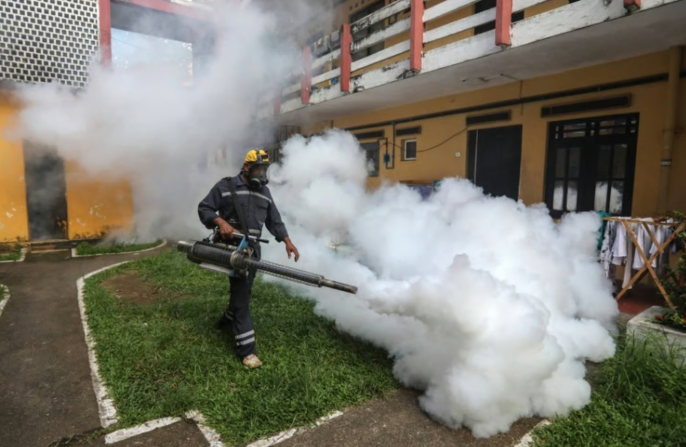
Dengue Cases Surge: 300+ New Infections in 24 Hours
Every day brings new worries as dengue infections climb sharply. In the last 24 hours alone, over 300 new cases were reported, triggering alarm among health officials and the public. This outbreak is spreading rapidly, putting pressure on hospitals and raising questions about how prepared the country is to manage it. In this article, we explore how and why dengue is surging, what risks lie ahead, and how people and authorities can respond.
Current Situation: Sudden Rise of Dengue Cases
The latest data show that more than 300 people have tested positive for dengue within just one day. Although exact numbers vary by district, this kind of jump is rare and points to a fast-moving outbreak.
Across the country, hospitals are seeing a flood of patients with high fever, rashes, fatigue, and in some cases, internal bleeding or organ stress. Many wards are filling up quickly, and in some areas, there are waiting lists for beds and shortages of medical supplies like intravenous fluids and platelet units.
What’s especially worrying: the disease is no longer confined mostly to major cities. Smaller towns and even rural areas are now reporting dengue cases. What used to be seen as an “urban problem” is becoming wider in reach.
Why Is Dengue Surging Now?
Seasonal and Climatic Factors
Dengue thrives in warm, humid conditions. The monsoon and post-monsoon period often bring ideal breeding grounds — with puddles, waterlogged areas, and increased humidity. This year, longer rains and higher temperatures appear to have extended the mosquito breeding season beyond usual limits.
Climate change also plays a role: rising temperatures, erratic rainfall, and shifting weather patterns make it easier for the disease-carrying Aedes mosquitoes to survive and multiply.
Urban Conditions & Mosquito Breeding
Cities and densely populated regions aggravate the problem. Reasons include:
- Poor drainage systems and clogged gutters
- Piled-up waste that holds water
- Construction sites, unused containers, tires — all can collect stagnant water
- Dense human populations making transmission easier
These places become ideal for Aedes mosquitoes to breed and bite humans frequently.
Spread Beyond Cities
In the past, dengue was mostly a city-centered disease. Now, cases are being recorded in more remote districts and rural zones. This shift is troubling: public health outreach, diagnostic facilities, and mosquito control are often weaker outside big cities. That means diagnosis can be delayed and prevention harder to enforce.
Health Risks & Challenges
Symptoms, Warning Signs, and Complications
Most dengue cases begin with sudden high fever, severe headache, pain behind the eyes, muscle and joint pain, nausea, vomiting, and rash. In many cases, the disease is mild and people recover with rest and supportive care.
But in some people, severe dengue can develop. Warning signs include:
- Abdominal pain or tenderness
- Persistent vomiting
- Bleeding (gums, nose, under skin)
- Lethargy, restlessness
- Liver enlargement
- Fluid accumulation in lungs or around organs
If not treated, severe dengue can lead to shock, hemorrhage, organ failure, and death.
Strain on the Healthcare System
With hundreds of new cases daily, public and private hospitals are stretched thin:
- Beds fill up quickly, especially in high-infection zones
- Shortages of platelets and IV fluids
- Overworked medical staff
- Delays in diagnosis and treatment
As cases rise, mortality risk increases, especially if patients arrive late or develop complications.
What Is Being Done: Response Efforts
Government & Public Health Response
To curb the outbreak, health authorities have launched multiple measures:
- Fogging (spraying insecticide) in public and residential areas
- Anti-larval drives — targeting breeding sites (water containers, drains)
- Public awareness campaigns — urging people to remove stagnant water
- Increased surveillance and reporting of cases
- Strengthening hospital readiness — more beds, more supplies
- Mobilizing teams for door-to-door inspection and mosquito control
These actions are critical to slowing down the rapid spread.
Community & Individual-Level Actions
Every person can play a role:
- Eliminate standing water (flower pots, discarded cans, tires)
- Keep water containers sealed or cleaned frequently
- Use mosquito nets, screens, repellents
- Wear long sleeves and pants during peak mosquito hours (early morning, evening)
- Seek medical care promptly when symptoms appear
Cooperation from communities is as important as top-level efforts.
What More Needs to Be Done
To get control of the situation, the following steps are essential:
- Sustained mosquito control – Not just short campaigns, but continuous action even after the monsoon.
- Better diagnostics & reporting – Quick tests in rural clinics and rapid data flow to health authorities.
- Capacity building in rural areas – Equip and train health workers outside big cities.
- Urban planning improvements – Drainage, waste management, construction oversight.
- Long-term monitoring – Study mosquito ecology, virus types, seasonal patterns.
- Public engagement & education – Continuous messaging, not just during peaks.
If these are done well, spikes like the current 300-case surge can be prevented or mitigated.
FAQ (Frequently Asked Questions)
Q1: What causes dengue?
Dengue is caused by a virus transmitted by the bite of infected Aedes mosquitoes (especially Aedes aegypti). When a mosquito bites someone with dengue virus, it can later transmit the infection to another person.
Q2: Is dengue contagious person-to-person?
No. You cannot catch dengue by touching or being near someone with the disease. The virus must pass through a mosquito first.
Q3: How soon do symptoms appear after being bitten?
Symptoms usually appear 4 to 10 days after being bitten by an infected mosquito. This is called the incubation period.
Q4: Can dengue be prevented?
Yes. Prevention is mostly about controlling mosquitoes — removing stagnant water, using nets, sprays, sealing containers — and protecting yourself with clothing and repellents.
Q5: What should someone do if they have dengue symptoms?
Go to a doctor immediately. Rest well, drink fluids, and follow medical advice. Avoid taking aspirin or non-prescribed medications that may worsen bleeding risk.
