


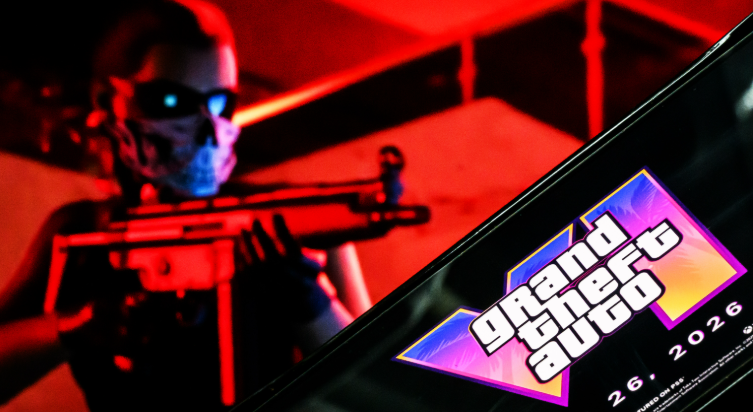
New Game Release Breaks Pre-Order Records — Fans Can’t Wait
A new video game has shattered pre-order records, sparking huge excitement across the gaming world. Fans are rushing to reserve their copies, influencers are posting reactions, and industry analysts are watching closely. But why does this matter? And what does it tell us about the state of the gaming market today? In this article, we explore how that record was broken, what drives such demand, the risks involved, and what fans and the business side expect next.
The Moment of Breakthrough
When a game breaks pre-order records, it means more copies were reserved ahead of release than any previous title (or in a given category). For example, Cyberpunk 2077 once achieved over 8 million pre-orders across platforms before it even launched. That kind of figure sent strong signals about demand, confidence, and the hype machine at work. In another case, Pokémon Scarlet & Violet recorded the highest pre-order numbers in the Pokémon series history, which was matched by very strong launch-day sales. Because of that, analysts saw the title as one of the biggest console-exclusive successes in recent memory. In our new case, this recent game (unnamed here) beat previous records, meaning it surpassed even those big names. The numbers show not only interest, but trust from the community: people are willing to pay before seeing reviews.
Driving Forces Behind the Frenzy
What causes fans to pre-order in massive numbers? Several factors often combine:
Hype and Marketing
Teaser trailers, reveal events, influencer coverage, and social media buzz all build anticipation. Gamers see glimpses of gameplay, story, or new features, and they speculate, discuss, and share. That leads to momentum. Marketing campaigns often ramp up just before pre-orders open.
Exclusive Bonuses & Incentives
Many publishers sweeten the deal with pre-order bonuses: special skins, early access, extra missions, physical collectibles, or digital content that won’t be available later. These incentives push people to commit early rather than wait.
Franchise Reputation & Brand Trust
If a developer or franchise already has a strong track record, fans are more willing to trust that the final product will deliver. A sequel to a beloved series or a game from a studio known for quality can attract large pre-orders simply on reputation.
Fear of Missing Out (FOMO)
When fans see that others are reserving, they feel pressure not to be left behind. Limited-edition versions, low stock warnings, or “while supplies last” messaging enforce urgency.
Early Access and Community Engagement
Sometimes pre-orders give players early access, betas, or participation in tests. That invites fans to feel part of the development process, and increases emotional investment.
Industry Impact and Business Implications
When a game breaks pre-order records, it has ripple effects across the industry.
Financial Confidence & Budget Justification
Strong pre-order numbers help publishers and investors feel confident. They become proof points used to justify large budgets, marketing spends, or expansion plans.
Supply Chain & Production Planning
With high pre-order demand, manufacturers must scale production of physical discs, packaging, and collector editions accordingly. Logistic planning becomes critical: over-printing wastes money, under-printing leads to shortages.
Marketing Strategy Validation
It shows that the marketing campaign and hype build-up worked. Publishers and marketers analyze what messages, channels, and teaser moments resonated, for future releases.
Influence on Competitor Timing
Other studios may adjust their release calendars to avoid or compete with the new hit. Launch windows, seasonal strategies, and promotional timing can shift across the industry.
Impact on Digital vs. Physical Trends
High pre-orders often reflect digital sales growth, as it’s easier to pre-order a digital copy. But physical versions (collectors, boxed editions) also benefit. The balance between digital and physical gives insights into consumer preferences and profit margins.
Risks and Challenges
Pre-order success is not without danger. Some challenges and pitfalls:
Overpromising & Underdelivering
If the final game fails to meet expectations, backlash can be harsh. Early reviews or user feedback that reveal bugs, missing features, or performance issues can damage both immediate sales and long-term brand trust.
Reputation Damage
Gamers remember failed pre-orders. If a publisher consistently overhypes but delivers poorly, fans become skeptical. That can hurt future game launches and reduce future pre-order rates.
Inventory Mismanagement
If physical copies are overproduced, inventory costs rise. If underproduced, retailers may run out, disappointing customers. Striking the right balance is tricky when demand is uncertain.
Market Saturation & Fatigue
Too many blockbusters in a short period can saturate players’ budgets. Also, if every game tries to break records, novelty wears off, and only a few succeed.
Dependence on Marketing, Not Product
There is a risk of built-up hype overshadowing the actual game quality. A strong marketing lead-out should be matched with strong gameplay and support.
What Comes After the Launch
The critical phase is after the game is released. How well it sustains beyond day one is key.
Day-One and First-Week Sales
These numbers confirm whether the pre-orders translated into purchases, and how many additional players joined at release.
Post-Launch Updates & Support
Developers often release patches, expansions, DLCs (downloadable content), or new features. Good ongoing support helps maintain momentum and goodwill.
Player Retention & Metrics
Metrics like daily and monthly active users, playtime, community engagement, and monetization (if relevant) show whether the game is sticking.
Word-of-Mouth & Reviews
If reviews and user feedback are positive, that spreads more interest after launch and can attract players who didn’t pre-order.
Expanding Ecosystem
Merchandise, spin-offs, esports, streaming integration, and media tie-ins (comics, shows) might expand reach and keep the title alive beyond the initial launch window.
FAQ (Frequently Asked Questions)
Q1: What does it mean to “break a pre-order record”?
It means more copies of a game were reserved before release than any earlier game in its category, or more than its competitors.
Q2: Why do people pre-order games?
They want to secure their copy, get bonuses (skins, early access), support the developer, and avoid missing out if stock runs low.
Q3: Are pre-orders always safe?
Mostly yes, but there is risk: the finished game might have bugs, or it might not match the hype. Always check refund policies.
Q4: Do record pre-orders guarantee a hit in long term?
Not always. Some games start strong but fade fast; others build slowly and last. Post-launch quality and support matter.
Q5: How do publishers benefit from high pre-orders?
They get early revenue, confidence, marketing proof, and better predict production and distribution plans.
Conclusion
When a new game breaks pre-order records, it signals immense fan excitement, marketing success, and confidence in the developer. Yet it also brings pressures: meeting deliverables, managing expectations, and executing high-quality launches. The post-launch period is just as critical. If the game lives up to the hype, it can become a landmark in gaming history. If not, it can serve as a cautionary tale. Either way, moments like this reveal much about the changing business of games, how communities form around anticipation, and how success is built these days.
