


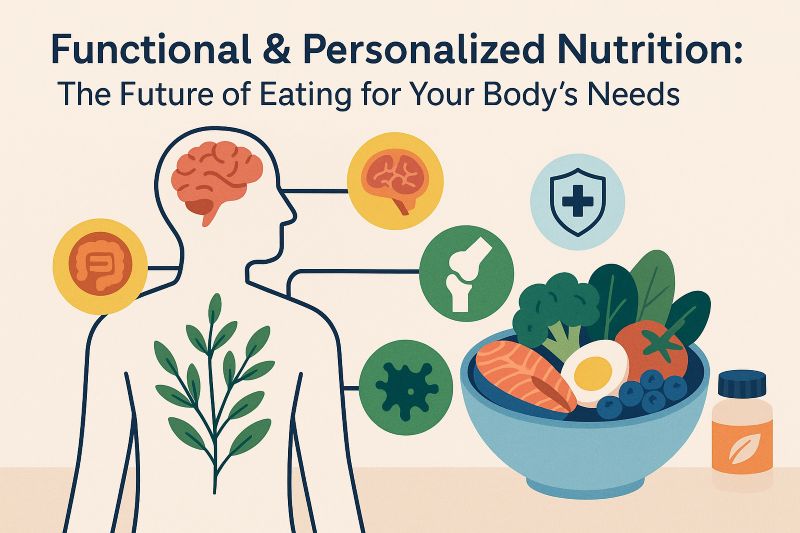
Functional and Personalized Nutrition: The Future of Eating for Your Body’s Needs
Food has always been our body’s main source of energy and health. But today, we’re realizing that nutrition is not one-size-fits-all. What works for one person may not work for another. This is where functional and personalized nutrition steps in — a smarter way of eating that looks at your unique body, lifestyle, and health goals to design the perfect diet just for you.
Unlike old-fashioned diet plans, functional nutrition focuses on the purpose of food — how it supports specific areas like your brain, gut, immunity, and energy. Personalized nutrition goes even further by using technology, genetics, and health data to tailor what you eat to your body’s exact needs.
In this article, we’ll explore what functional and personalized nutrition really mean, why they matter, and how they’re reshaping the future of health and wellness.
What Is Functional Nutrition?
Functional nutrition is based on the idea that food can do more than just fill your stomach — it can help your body function better. It focuses on how each nutrient affects specific systems in your body, such as the brain, digestive tract, skin, or immune system.
For example:
-
Omega-3 fats can support brain health and reduce inflammation.
-
Probiotics and fiber improve digestion and gut balance.
-
Antioxidants from fruits protect your cells from stress and aging.
Rather than simply counting calories or cutting food groups, functional nutrition looks for the why behind health problems. Instead of saying, “You have low energy,” it asks, “What’s causing your fatigue — poor gut health, stress, or nutrient imbalance?”
It’s a holistic approach that connects food, lifestyle, and environment to overall wellness.
What Is Personalized Nutrition?
Personalized nutrition takes functional eating one step further. It uses individual data — such as genetics, blood work, microbiome tests, and lifestyle habits — to build a nutrition plan that’s truly made for you.
Everyone digests and reacts to food differently. Two people can eat the same meal and experience very different effects. Personalized nutrition acknowledges this by studying your unique biology before suggesting what to eat.
For instance:
-
Someone with a slow metabolism may need more protein and fewer carbs.
-
Another person may process fats efficiently and benefit from healthy oils.
-
A person with a sensitive gut may need low-FODMAP foods or specific probiotics.
Thanks to modern technology, many companies now offer home testing kits and AI-driven apps that recommend foods, supplements, or diet styles based on your personal results.
The Science Behind Functional and Personalized Eating
1. The Role of Genetics
Genes play a big part in how we process nutrients. Some people naturally absorb certain vitamins better or are more likely to have lactose intolerance or gluten sensitivity. Personalized nutrition can identify these differences and adapt your diet accordingly.
2. The Gut Microbiome
Your gut contains trillions of bacteria that influence digestion, mood, and immunity. The type and balance of these bacteria can affect everything from weight management to mental clarity. Functional nutrition focuses on improving this balance through prebiotics, probiotics, and gut-friendly foods.
3. Hormonal and Metabolic Differences
Age, gender, and activity level all affect how your body uses energy. For example, women’s nutritional needs change during pregnancy or menopause. Personalized nutrition adjusts macronutrients and supplements to support these life stages.
Benefits of Functional & Personalized Nutrition
1. Better Digestion and Gut Health
When your diet matches your body’s needs, digestion improves naturally. You experience less bloating, acid reflux, or discomfort. A balanced microbiome also boosts immunity and reduces inflammation.
2. Stronger Immunity
Functional foods like garlic, turmeric, and green tea contain natural compounds that support immune defense. Personalized supplements can fill gaps in your diet, keeping your immune system resilient year-round.
3. More Energy and Focus
Instead of relying on caffeine or sugar, a well-balanced plan ensures your body has the right nutrients for sustained energy. Foods rich in B vitamins, magnesium, and complex carbs improve focus and reduce fatigue.
4. Weight Management
Personalized nutrition helps you find the perfect ratio of proteins, fats, and carbs that works best for your metabolism. This makes weight control easier without extreme dieting.
5. Long-Term Disease Prevention
Eating for your specific needs reduces the risk of lifestyle-related diseases like diabetes, heart disease, and inflammation. It’s about prevention, not just treatment.
Functional Foods That Support Health Goals
1. For Brain Health
-
Omega-3 rich foods: Salmon, chia seeds, walnuts
-
Antioxidants: Blueberries, dark chocolate, green tea
-
B Vitamins: Whole grains, eggs, leafy greens
These nutrients improve memory, concentration, and mood by supporting nerve function and reducing brain inflammation.
2. For Gut Health
-
Probiotics: Yogurt, kefir, kimchi, sauerkraut
-
Prebiotics: Garlic, bananas, oats, onions
-
High-fiber foods: Beans, lentils, fruits, vegetables
These help maintain healthy gut bacteria, improve digestion, and strengthen immunity.
3. For Joint and Bone Health
-
Calcium-rich foods: Dairy, tofu, almonds, sesame seeds
-
Vitamin D sources: Eggs, mushrooms, fortified milk
-
Anti-inflammatory foods: Turmeric, ginger, olive oil
Together, these nutrients reduce joint pain, strengthen bones, and improve flexibility.
4. For Immunity
-
Vitamin C: Oranges, strawberries, bell peppers
-
Zinc: Pumpkin seeds, lentils, chickpeas
-
Herbal boosters: Echinacea, elderberry, green tea
These nutrients support white blood cell production and reduce inflammation.
The Role of Supplements
While whole foods are best, supplements can fill gaps where diet alone falls short. Personalized supplement plans may include:
-
Probiotics for gut balance
-
Vitamin D and omega-3 for mood and immunity
-
Magnesium and B-complex for energy and stress
-
Adaptogens like ashwagandha or rhodiola for resilience
However, supplements should never replace a balanced diet — they’re meant to support it. Always follow professional advice before starting new supplements.
Technology in Personalized Nutrition
Modern tools are making it easier than ever to understand your body.
-
DNA Tests: Identify genetic tendencies related to metabolism, food sensitivities, and nutrient needs.
-
Microbiome Testing: Measures gut bacteria diversity and provides personalized food recommendations.
-
Health Apps: Track sleep, mood, and meals to reveal how your diet affects your daily performance.
AI-powered platforms now combine these data points to create highly accurate, science-backed nutrition plans.
Personalized Nutrition for Specific Needs
1. For Athletes
Athletes benefit from nutrition plans that match their energy demands, training intensity, and recovery needs. Protein timing, hydration, and anti-inflammatory foods become key.
2. For Busy Professionals
People with stressful, sedentary jobs may need more brain-supporting foods, adaptogens, and hydration strategies to combat fatigue and burnout.
3. For Seniors
Older adults often need more calcium, vitamin D, and fiber for bone and digestive health, as well as antioxidant-rich foods for cognitive support.
4. For Women’s Health
Women’s needs change across life stages — pregnancy, menstruation, and menopause. Iron, folate, and omega-3s are essential to balance hormones and energy levels.
Challenges in Personalized Nutrition
While personalized nutrition is promising, it comes with challenges:
-
Cost: Testing and customization can be expensive.
-
Accuracy: Data interpretation still depends on human expertise.
-
Consistency: Maintaining a tailored plan requires discipline.
-
Over-reliance on tech: Real health also depends on habits, emotions, and environment, not just data.
Still, the benefits far outweigh the obstacles, especially for those serious about long-term wellness.
How to Start Your Personalized Nutrition Journey
-
Understand your goals: Define what you want — more energy, better digestion, or improved focus.
-
Track your diet: Keep a food journal for a week to see how different meals make you feel.
-
Get basic health tests: Check your blood sugar, cholesterol, and vitamin levels.
-
Consult a nutritionist: Get expert advice for personalized adjustments.
-
Make gradual changes: Small, consistent steps always work better than sudden overhauls.
-
Monitor results: Note how your energy, mood, and sleep improve over time.
The Future of Nutrition
Functional and personalized nutrition is shaping the future of food. We’re moving away from generic diet trends toward data-driven, individual health optimization. Soon, smart devices may automatically analyze your meals, track your responses, and adjust your diet in real time.
Food is no longer just fuel — it’s information for your body. When you understand what your body truly needs, eating becomes a form of self-care, not just habit.
Final Thoughts
Functional and personalized nutrition bring a new era of eating — one that values individuality and science equally. It’s about listening to your body, understanding your biology, and feeding yourself with intention.
Every bite you take can either build health or harm it. By choosing foods that serve a purpose — from boosting your brain to healing your gut — you create a long-lasting foundation for energy, focus, and well-being.
When you eat with awareness and personalization, you don’t just live longer — you live better.
FAQs
Q1: What is functional nutrition?
Functional nutrition focuses on how food affects specific body systems — such as the brain, gut, or immune system — to improve health and prevent disease.
Q2: How is personalized nutrition different from regular diets?
Personalized nutrition uses personal data like genetics and lifestyle to create a plan that fits your unique body, rather than using general diet rules.
Q3: Can personalized nutrition help with weight loss?
Yes. It helps you find the right balance of nutrients for your metabolism, making weight management more effective and sustainable.
Q4: Do I need to take supplements for functional nutrition?
Not always. Whole foods are best, but supplements can fill gaps when your diet doesn’t meet all your needs.
Q5: How can I start with personalized nutrition?
Begin by tracking your meals and symptoms, get simple health tests, and consult a certified nutritionist for a plan based on your body’s needs.
