


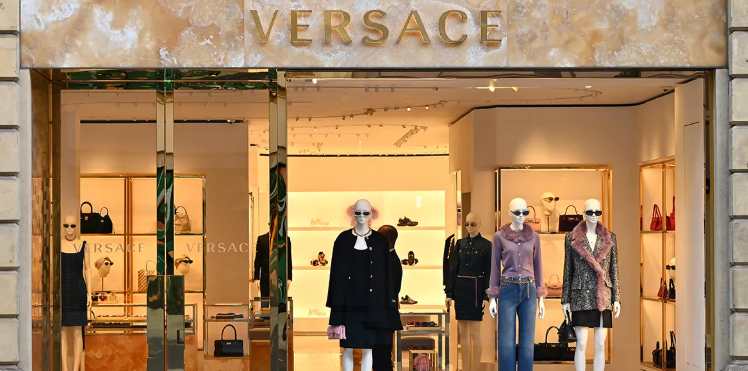
Prada Versace Merger: What the Landmark Luxury Deal Means for Fashion’s Future
In 2025, one of the most anticipated deals in fashion has finally come to life: Prada is acquiring Versace. This merger marks a major shift in how luxury brands might compete, combine strengths, and restructure the competitive order in fashion. But what are the real implications? What happens after the headlines? Let’s break it down.
A Quick Recap: What Is the Deal?
Prada has agreed to purchase Versace from Capri Holdings for approximately €1.25 billion, including Versace’s debt burden.
This is less than what Capri originally paid for Versace in 2018, indicating a price discount in light of Versace’s recent struggles.
The transaction is expected to close during the second half of 2025.
Prada—already the owner of brands like Miu Miu—plans to inject capital into Versace’s revival, revamp its operations, and preserve its brand identity under Prada’s broader industrial platform.
This combination brings together two iconic Italian fashion houses with quite different aesthetics: Prada is known for minimalism, elegance, technical fabrics; Versace for bold prints, glamour, and flamboyance.
Why Prada Bothered to Make This Move
1. Strengthen scale and compete with giants
In the luxury world, size often matters. Big players like LVMH and Kering dominate many brand categories. By acquiring Versace, Prada boosts its scale and becomes more credible as an Italian luxury powerhouse that can challenge the French conglomerates.
2. Diversify brand portfolio
Prada and Versace appeal to different customer tastes. Merging them allows the group to cover a wider spectrum of style and consumer segments—those who prefer minimal, understated design and those drawn to bold, expressive fashion.
3. Tap into Versace’s distribution and markets
Versace has stronger presence in markets like North America and Asia. Prada can leverage those networks and enhance its global reach by integrating Versace’s retail channels, license agreements, and local customer base.
4. Operational synergies and cost advantages
By combining production, supply chains, logistics, sourcing, and marketing support, the new entity can reduce costs. Shared services (e.g., IT, procurement) and joint negotiation leverage with suppliers or landlords may improve margins.
5. Revive a struggling star
Versace has been underperforming lately—its revenues dropped, and it operated at a loss. Prada sees potential in reviving the brand through disciplined investment, sharper branding, and creative innovation.
What Happens Next: The Challenges and Strategies
A merger of this scale doesn’t happen overnight. Below is a roadmap of likely next steps, challenges, and strategic moves.
1. Regulatory approval and closing mechanics
Though the agreement is reached, the deal must clear competition and antitrust regulators. Authorities will examine whether combining Prada and Versace reduces healthy competition in luxury fashion markets.
Once cleared, legal and financial closing steps kick in, including transferring ownership, integrating debt, and finalizing leadership arrangements.
2. Leadership, creative direction, and brand autonomy
One key question: how much freedom will Versace keep? Prada will need to strike a balance—giving Versace its creative space while tapping synergies.
Donatella Versace has stepped down as creative director; Versace has appointed Dario Vitale (previously at Miu Miu) to lead design. Donatella will become a brand ambassador, focusing on heritage, red-carpet presence, and representation. This signals that Prada wants fresh energy, but still intends to respect Versace’s legacy.
3. Reorganizing operations and structure
The merged entity must align key functions: supply chain, production, logistics, sourcing, retail operations, and admin functions. Some overlap will be rationalized, and shared platforms built.
But the two brands must maintain their identities—design teams, marketing direction, brand DNA should remain somewhat independent to prevent dilution.
4. Product, marketing, and distribution overhaul
Versace’s collections will need rejuvenation. Prada may invest heavily in fashion direction, product development, and brand image.
Distribution channels will also be cleaned up: reducing discounted channels, improving store experience, focusing on direct-to-consumer and selective wholesale.
Marketing campaigns will be reimagined, with possible collaborations, celebrity endorsements, and intensified focus on digital, social media, and new markets.
5. Financial discipline and patience
Reviving a brand takes time. Prada will likely tolerate short-term profit pressure and losses, especially as restructuring costs mount. The priority in early years will be stabilizing Versace’s cash flows and gradually improving margins.
Risks, Pitfalls, and What Could Go Wrong
- Brand dilution or confusion: If the two brands’ identities merge or blur, loyal customers could feel alienated.
- Talent flight: Creative directors, design teams or top management could leave during transition.
- Operational clash: Integrating systems, suppliers, and distribution is complex and may face resistance.
- Regulatory hurdles: Antitrust authorities may impose limits or block parts of the deal.
- Heavy investment burden: Prada is borrowing extra to finance acquisition and the relaunch of Versace—this puts stress on balance sheets if results don’t come quickly.
- Market volatility: Luxury demand is sensitive to global economic trends, trade policies, and consumer sentiment—any downturn could hurt recovery.
A Table of Key Metrics & Comparisons
| Metric / Item | Prada (pre-deal) | Versace (most recent) | Combined / Target |
| Annual revenue | ~ €5.4 billion (2024) | ~ €800–1,000 million | > €6 billion |
| Brand positioning | Minimalist, technical elegance | Glamour, bold prints, showmanship | Dual aesthetics covered |
| Creative leadership | Miuccia Prada & Raf Simons | Dario Vitale (new) | Independent design units |
| Market presence strength | Europe, selective growth in Asia | Strong in U.S. and Asia | Enhanced global reach |
| Investment for relaunch | — | ~ €250 million additional investment | Capital infusion + debt financing |
| Key risk | Maintaining brand prestige | Turnaround costs, identity shift | Integration failures |
Strategic Outcomes and Scenarios
- Best case: Versace is revitalized, its revenues grow, costs reduce, and the merged group becomes a credible rival to major luxury conglomerates. The group may attract new customers, deepen its global reach, and unlock higher margins.
- Moderate scenario: The brands maintain their niche, but with incremental gains. Versace recovers somewhat but doesn’t become a star in Prada’s portfolio. Synergies yield cost savings but revenue growth is slow.
- Worst case: Integration fails. The brands drift apart in vision, customers reject shifts, costs overrun, and the deal becomes a drag. Prada may have to divest or reposition parts again.
Why This Matter for the Luxury Industry
- Accelerated consolidation: Smaller houses may become acquisition targets as the industry tilts toward scale and group strength.
- Italian counterbalance to French dominance: Prada-Versace sends a signal that Italian fashion can consolidate and resist being overshadowed.
- Redefinition of creative identity: Managing multiple brands under one roof tests how diverse aesthetics can coexist without compromise.
- Pressure on independents: Standalone luxury houses may struggle to compete unless they find niche, boutique strength or partner strategically.
Final Thoughts
The Prada-Versace deal is more than just a headline: it is a bold gamble, a statement of ambition, and a test of how fashion groups evolve in an era of consolidation. Success will depend on strategic patience, creative balance, disciplined execution, and respect for what made each brand special.
No merger is easy. But if Prada plays this well, this could reshape the hierarchy of luxury fashion and position the new group as a powerful Italian challenger on the world stage. The coming seasons will reveal whether this becomes a landmark success or cautionary tale.
FAQs
- Why did Prada choose Versace but not some other brand?
Versace offered Prada complementary style, strong global presence, and a well-known name that had lost momentum. It fit Prada’s ambition to diversify and scale, while also being an iconic Italian house. - Will Versace lose its creative identity under Prada?
Prada claims it will preserve Versace’s identity. By appointing a separate creative director and keeping Donatella as brand ambassador, the intention is to maintain its aesthetic while benefiting from Prada’s support. - How long will it take to see results?
It may take several years. Brand turnarounds are gradual: initial years will focus on restructuring, investment, and stabilization. Profit improvements may emerge later. - What happens to pricing and distribution?
Expect tighter control over discounts, more emphasis on flagship stores and direct channels, and a more selective wholesale presence. Pricing might rise to preserve prestige. - Will other luxury brands merge too?
Very likely. The more this deal sets a model, the more pressure smaller luxury houses will feel to seek partnerships, acquisitions, or consolidation to stay competitive.
