


Gaza Ceasefire Talks: Israel and Hamas Begin Indirect Negotiations in Egypt
After years of bloodshed and tension, Israel and Hamas have initiated indirect negotiations in Egypt in a renewed effort to pause the Gaza conflict. Even as violence continues on the ground, diplomats are pushing forward with talks hoping to reach a ceasefire and prisoner-exchange deal. These talks are being overseen by Egypt and supported by the United States, Qatar, and other regional actors. The goal: find a path to reduce fighting, bring back hostages, allow humanitarian aid, and eventually move toward a more durable peace.
Why These Talks Matter Now
The timing of these talks is significant. On October 7, 2025, Israel marked two years since the Hamas-led attack on southern Israel that triggered the current war. The anniversary has brought renewed international pressure to find a resolution.
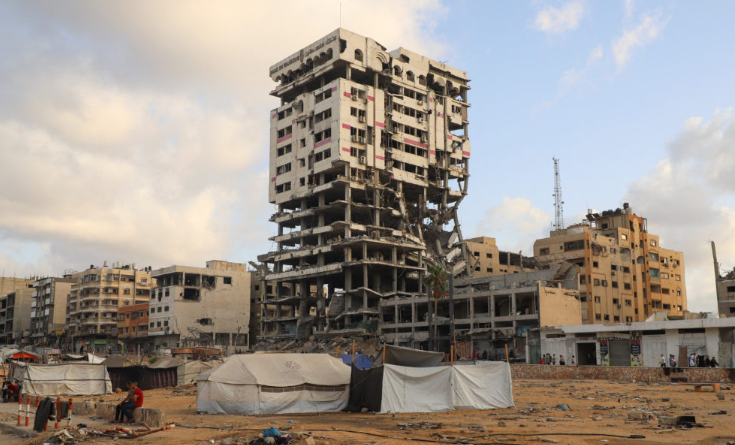
Meanwhile, Gaza faces a dire humanitarian crisis — extreme shortages of food, medical care, and safe shelter. Thousands have died, many more have been wounded or displaced.
In that context, many observers see these indirect talks as one of the most realistic opportunities in recent years to stem violence, even if only temporarily.
What’s on the Table: Key Issues Under Negotiation
In the talks, both sides are discussing several major issues. Among them:
| Issue | Israel’s Position / Demand | Hamas / Palestinian Position / Demand |
| Ceasefire | Israel wants to end hostilities while ensuring its security and preventing future attacks. | Hamas demands a comprehensive and lasting stop to bombing and ground operations. |
| Hostage-Prisoner Exchange | Israel insists all remaining Israeli captives must be released. | Hamas has offered to release hostages in stages, in exchange for the release of Palestinian prisoners. |
| Withdrawal of Forces | Israel is being asked to partially withdraw from Gaza in phases. | Hamas wants guarantees that Israel will completely withdraw and not return to military operations. |
| Disarmament of Hamas | Israel demands that Hamas give up its weapons as a condition for any broad deal. | Hamas resists full disarmament, arguing it must retain some defensive capacity unless full guarantees are given. |
| Governance and Reconstruction of Gaza | Israel and some mediators propose that Hamas no longer run Gaza; instead, “technocrats” or international bodies could govern during a transition. | Hamas is open to temporary arrangements but insists Palestinians control their future; it demands wide reconstruction and compensation. |
These issues are highly contentious, and agreement on one often depends on concessions in others.
Early Signs: Optimism and Challenges
Positive Signals
On the first day, negotiators described the meeting as “positive,” suggesting that the talks have moved beyond initial distrust. One focus was exchanging lists of hostages and prisoners on both sides to see who might be eligible for release.
Hamas has agreed in principle to release all the remaining Israeli captives (about 48, of whom around 20 are thought to be alive) in exchange for the release of Palestinian detainees.
Regional mediators — Egypt and Qatar — are working to draw consensus and push the process forward.
The U.S. has proposed a 20-point peace plan under which stages of withdrawal, prisoner exchange, humanitarian access, and transitional governance would be phased in.
Why It Could Fail
However, big obstacles remain:
- Trust deficit: Past ceasefires have been broken. Hamas officials have warned they do not trust Israel’s guarantees.
- Disagreement over disarmament: Israel insists on Hamas decommissioning its arms; Hamas fears this will leave it defenseless.
- Governance vacuum: If Hamas is removed from full control, who will rebuild Gaza and maintain security?
- Ongoing violence: Even as talks proceed, Israel continues airstrikes in Gaza, which undermines trust and complicates the diplomatic mood. In recent days, at least eight Palestinians were reportedly killed despite the talks.
- Political fragmentation: Within both Israel and Palestinian factions, there are voices opposed to compromise. In Israel, right-wing parties may resist withdrawal. Among Palestinians, some reject any arrangement that sidelines Hamas.
What Would a Deal Look Like?
A realistic path forward would likely be phased and gradual, rather than all at once. Such a deal might include:
- Initial ceasefire for a fixed period (weeks or months), coupled with immediate exchange of hostages and prisoners.
- Partial withdrawal of Israeli forces from selected Gaza zones, in parallel with continued security monitoring.
- Guarantees (possibly via international actors) that Israel will not re-enter Gaza unless conditions are violated.
- Temporary administration by a neutral or international body while Gaza is rebuilt and local institutions reformed.
- Long-term agreement on Gaza’s governance, return of displaced residents, and security arrangements.
Even under this plan, many details must be worked out: who supervises, how to verify disarmament, how long the transitional period lasts, how to fund rebuilding, etc.
What Happens If Talks Fail?
If no deal emerges, the consequences could include:
- Resumption or intensification of warfare: Bombing, ground offensives, civilian casualties.
- Humanitarian collapse: More deaths, disease, displacement, and destruction.
- Regional instability: Wider spillover across the Middle East; more refugee flows; international condemnation.
- Diplomatic cost: The reputations of mediators and sponsors would suffer; harder future prospects for peace.
Thus, failure would deepen suffering and diminish hope.
The Broader Stakes
This ceasefire effort is not just about halting violence — it carries wider implications:
- Precedent for peace talks: If successful, it could reopen more substantive Israeli-Palestinian negotiations.
- Regional alliances: Countries like Egypt, Qatar, and Turkey will enhance their diplomatic role.
- International credibility: The U.S. and other external powers have invested heavily; success or failure will affect their standing.
- Humanitarian relief: Ceasefire opens corridors for aid, medical supplies, rebuilding, and life-saving assistance.
Even if this round of talks produces only a temporary arrangement, it may shift the strategic landscape toward longer-term resolution.
Conclusion
Israel and Hamas’s indirect ceasefire talks in Egypt offer a fragile but meaningful opportunity to ease the worst of the fighting in Gaza. The negotiations carry both promise and peril. On the one hand, people on both sides are exhausted by war and desperate for relief. On the other hand, profound distrust, political pressure, and difficult demands make agreement elusive.
Still, even a limited ceasefire and hostage exchange would be a step toward saving lives, rebuilding momentum for diplomacy, and offering hope to civilians trapped in a war zone. Whether the talks succeed or collapse will depend on whether both sides — and their external backers — can compromise, build confidence, and stay committed amid rising tension.
FAQ (Frequently Asked Questions)
Q1: Why are the talks “indirect”?
Because Israel and Hamas are not meeting face to face. They send negotiators to Egypt, and discussions occur through mediators (Egypt, Qatar, others). This helps reduce direct confrontation.
Q2: What is a hostage-prisoner exchange?
It means Hamas would free Israeli hostages, and in return, Israel would release Palestinians held in its prisons. Each side submits lists of names to negotiate who is released when.
Q3: Why does Israel want Hamas to disarm?
Israel views disarmament as a safety measure. They want to ensure Hamas cannot launch attacks in the future if a ceasefire is agreed.
Q4: What is the governance question about Gaza?
If Hamas steps back or loses control, someone must run Gaza — manage services, security, reconstruction. Proposals suggest interim bodies (local technocrats, international oversight) until stable local governance can return.
Q5: Will this resolve everything?
Unlikely. Even a successful ceasefire would be a first step. Many deeper issues (land rights, statehood, justice, long-term security) remain unresolved. But such an agreement could lay groundwork for future dialogue.
