


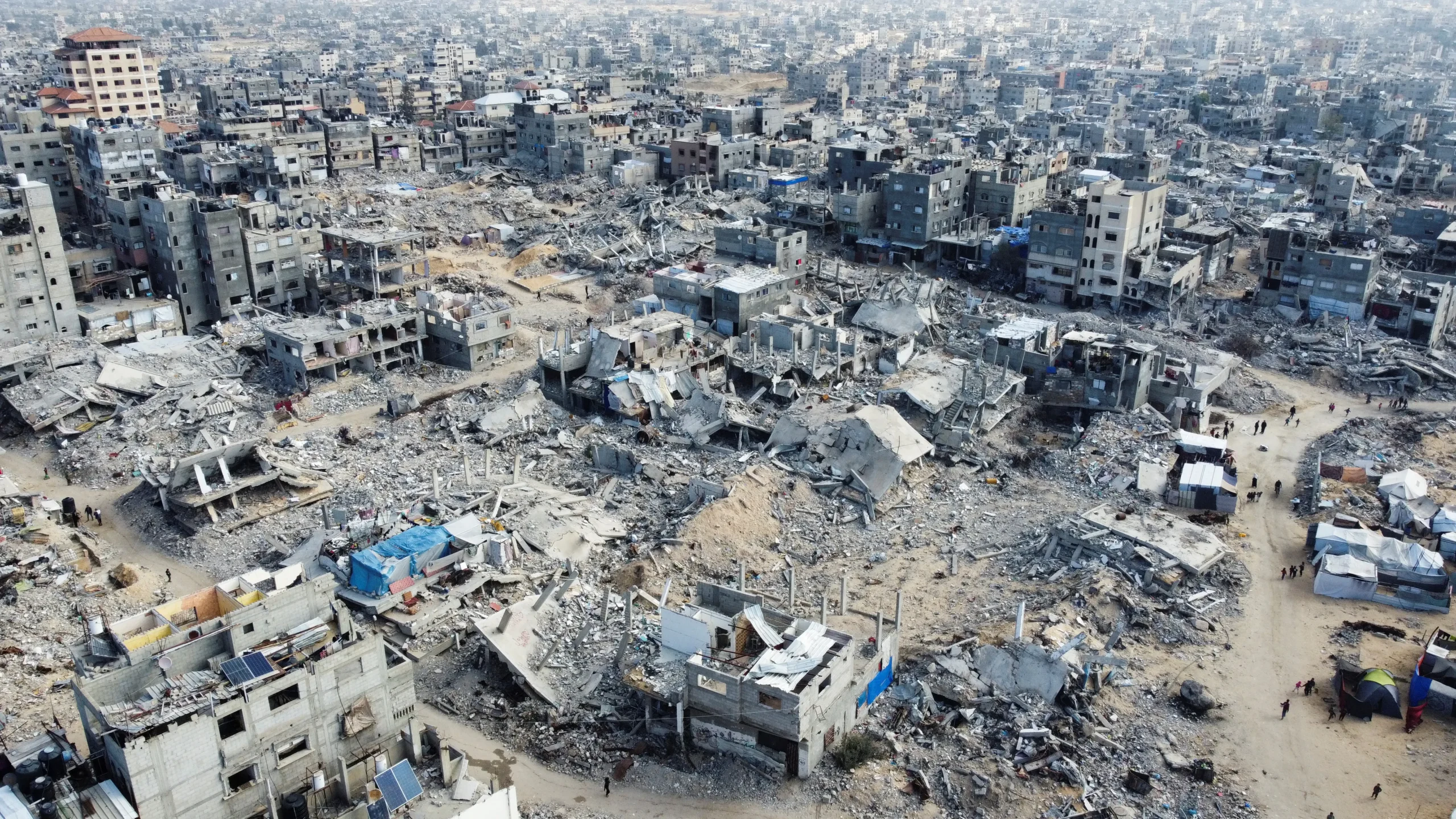
Gaza City Destruction: Neighborhoods Flattened, Infrastructure Obliterated, Mass Displacement
Gaza City, once a dense and vibrant urban area, now lies largely in ruins. Entire neighborhoods have been flattened. Roads, water systems, and power lines are broken beyond repair. Most residents have been forced to leave their homes. This article explores what has happened, how people are coping, and what it might take to rebuild or recover from such massive destruction.
The Scale of Destruction
Buildings and Homes
The damage in Gaza City is staggering. Recent assessments suggest that a large majority of homes have been destroyed or severely damaged. The total cost of damage to critical infrastructure across Gaza is estimated at around 18.5 billion US dollars, with housing alone making up over 70% of that amount.In some neighborhoods, almost every building has been hit. Satellite data shows that nearly 78% of all buildings in Gaza have suffered damage or complete destruction. Another technical study estimated that by the end of its observation period, about 191,000 buildings were damaged or destroyed.
Infrastructure Systems
Beyond housing, the infrastructure that sustains daily life has collapsed.
- Water and sanitation: The water supply system is almost non-functional, leaving people with little or no clean water.
- Health care: Over 80% of health facilities have been damaged or destroyed, making medical care extremely difficult to access.
- Education: Schools and universities have also been hit hard. Many are in ruins or being used as shelters for displaced families.
- Power and communication: Electricity and communication networks have been crippled, cutting off entire neighborhoods from the outside world.
With these systems broken, even those who remain in the city struggle to meet basic survival needs.
Cultural and Social Spaces
The city’s social and cultural identity has also been severely affected. Mosques, cultural centers, public squares, and heritage sites have been reduced to rubble. The destruction of these spaces erases shared memory and weakens the community’s sense of identity. Many cultural losses are permanent and irreplaceable.
Human Toll and Displacement
Deaths, Injuries, and Trauma
The human cost of the conflict is devastating. Thousands of civilians — including children, women, and the elderly — have been killed or injured. Beyond the physical losses, the psychological trauma is immense. Survivors are dealing with fear, grief, and uncertainty about their future.
Mass Displacement
Nearly the entire population of Gaza has been uprooted. It is estimated that over 1.9 million people — almost 85% of the population — have been displaced, often more than once. Families have fled from one area to another, only to be forced to move again as fighting continues.In Gaza City, many people have been pushed to the south, while others have no safe place to go. The repeated displacements create a cycle of instability, making recovery even harder.
The Challenge of Survival: Access to Services
Food and Water
Food insecurity is at crisis levels. Supply chains are broken, and agricultural land has been damaged. Many people depend entirely on humanitarian aid. Water is also extremely scarce. Without functioning pipes and treatment facilities, access to safe drinking water is limited.
Health and Medical Care
Hospitals that remain standing are overwhelmed. There is a severe shortage of doctors, nurses, medicine, and equipment. Patients often have to travel long distances — if they can travel at all — to find care. Many die from treatable injuries or illnesses simply because there are no medical resources.
Shelter and Sanitation
Displaced families are living in makeshift shelters, tents, or overcrowded buildings. Sanitation is minimal. Waste systems are broken, leading to outbreaks of disease and infection. The lack of privacy, hygiene, and clean water worsens the suffering.
Electricity, Communication, and Transportation
Electricity remains unreliable, often available for only a few hours a day or not at all. Internet and phone services are frequently down. Damaged roads and bridges block aid deliveries and limit the movement of civilians, leaving many communities isolated.
Prospects for Recovery and Reconstruction
The Scale of the Task
Rebuilding Gaza City will be one of the most complex reconstruction efforts in modern history. Experts estimate that more than 26 million tons of debris must be cleared before rebuilding can begin. The total financial cost is beyond what any single organization or government can handle alone.Restoration means rebuilding homes, hospitals, schools, power grids, and entire water systems — not just individual structures. It also requires restoring trust, governance, and stability.
Obstacles and Risks
Several major obstacles stand in the way:
- Ongoing conflict and instability make rebuilding dangerous.
- Funding shortages slow progress.
- Restricted access to materials and skilled labor adds delays.
- Unclear governance raises questions about who will lead the reconstruction.
- Psychological barriers: Many residents fear returning to areas that could be attacked again.
Steps Forward
To begin recovery, several key actions are needed:
- Clear debris and remove unexploded ordnance.
- Re-establish basic services — water, sanitation, electricity.
- Provide safe temporary shelters for displaced families.
- Rebuild essential institutions like hospitals and schools.
- Create an inclusive plan that allows people to return safely and rebuild their lives.
Reconstruction will take many years, possibly decades, and will require global coordination and long-term commitment.
Global and Moral Response
The destruction of Gaza City has shocked the world. Governments, aid agencies, and humanitarian organizations have called for an immediate ceasefire, unimpeded access to aid, and adherence to international humanitarian law.
There is also a growing demand for accountability for civilian suffering and damage to public infrastructure. The world faces a moral responsibility to ensure that rebuilding efforts focus not just on physical structures but on restoring human dignity and hope.
Beyond politics, this crisis is a story of human endurance. Despite unimaginable loss, the people of Gaza continue to show resilience, helping each other survive amid the ruins.
FAQ
Q1: Why was Gaza City destroyed so heavily?
Because of prolonged military operations involving heavy bombing, shelling, and ground combat that targeted both strategic and populated areas.
Q2: Can people return to their homes now?
Most cannot. Many areas remain unsafe, filled with rubble, unexploded weapons, and no basic services like water or electricity.
Q3: How long will it take to rebuild Gaza City?
Experts estimate it could take more than a decade to rebuild, depending on funding, stability, and access to materials.
Q4: Who is helping with recovery?
Various international organizations, aid agencies, and governments are pledging support, but progress depends on access and coordination on the ground.
Q5: What can ordinary people do to help?
Individuals can donate to trusted humanitarian groups, advocate for civilian protection, and help raise awareness about the ongoing humanitarian crisis.
