


Trump Says He’ll Send National Guard to Chicago, But Details Remain Unclear
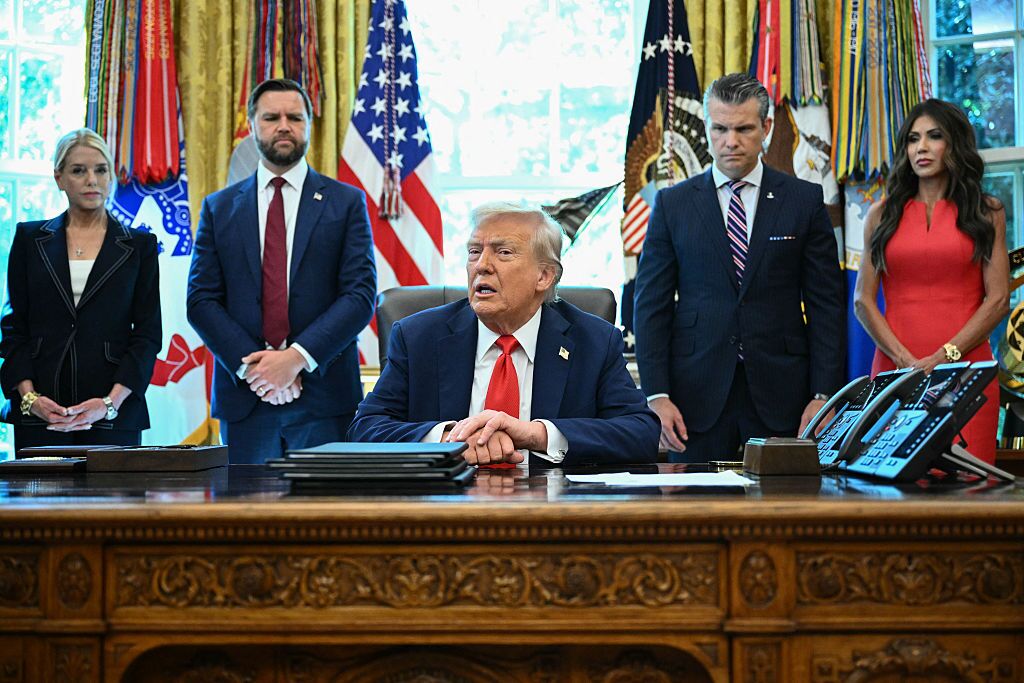
President Donald Trump has announced that National Guard troops will be deployed to Chicago. The official explanation is to protect federal officers and assets during ongoing unrest and protests. However, the announcement leaves many unanswered questions, raising tension between federal and local authorities.
What Trump Announced
The White House stated that around 300 Illinois National Guard members will be federalized and sent to Chicago. Officials described the mission as limited to safeguarding federal property and officers following recent violent incidents and immigration-related clashes.
But crucial details remain unclear:
- When will the deployment begin?
- Where exactly will troops be stationed?
- Will they operate under federal or state command?
- What specific powers will they have?
Without clear answers, confusion and speculation continue to surround the plan.
Resistance from State and Local Leaders
Illinois leaders have strongly opposed the move:
- Governor JB Pritzker has refused to call up the state’s National Guard for this mission, calling the order “outrageous” and politically driven. He insists the state can handle its own security needs.
- Chicago Mayor Brandon Johnson has also rejected the plan. He warned that federal troops in the city could erode community trust and escalate tensions instead of calming them.
Both leaders argue that deploying troops without state approval is unconstitutional and could set a dangerous precedent.
Legal and Constitutional Concerns
Trump’s decision raises major legal questions that are yet to be resolved.
Federal vs. State Command
Normally, the National Guard is controlled by state governors. The president can “federalize” the Guard, but doing so in domestic law enforcement situations is highly controversial.
Posse Comitatus Act
The Posse Comitatus Act prevents the U.S. military from enforcing civilian law unless authorized by Congress. Critics believe using Guard troops in policing roles could cross this line.
State Sovereignty
Under the 10th Amendment, states have the right to govern their internal affairs. Illinois officials argue that overriding their authority without consent violates these principles.
Precedent
Courts have recently intervened in similar situations in other states, suggesting legal battles are likely ahead for Illinois as well.
The Chicago Context
The federal government has already increased its presence in Chicago through operations targeting undocumented immigrants with criminal records. Known as “Operation Midway Blitz,” this campaign has caused widespread protests and strained relations between local and federal authorities.The National Guard plan appears to be an extension of these efforts. Critics argue it risks turning Chicago into a testing ground for aggressive federal intervention in local affairs.
Possible Scenarios Ahead
Since many details are missing, several different outcomes are possible.
| Scenario | What Could Happen | Key Risks |
| Guard protects only federal buildings | Limited presence, low public disruption | May not address broader unrest |
| Troops support police operations | Visible involvement in city security | Confusion over authority, community backlash |
| Troops take direct enforcement role | Arrests, crowd control, heavy presence | Major legal and civil rights issues |
| Court blocks deployment | No federal troops in city | Political clash, legal precedent set |
| State and city refuse to cooperate | Parallel authorities at odds | Possible constitutional crisis |
What Remains Unknown
Key unanswered questions include:
- When will the troops actually arrive?
- Will they act only as protection forces, or will they participate in law enforcement?
- How long will they stay in Chicago?
- Who will control their actions — the governor, the president, or the Pentagon?
- How will residents react if troops patrol their neighborhoods?
Until these issues are clarified, uncertainty will continue.
What Comes Next
- Court challenges may determine if the deployment is legal.
- Governor Pritzker and Mayor Johnson are expected to keep resisting.
- Federal agencies may release more specific plans.
- Civil rights groups are preparing to monitor any military involvement.
The situation could evolve rapidly depending on political, legal, and public responses.
Conclusion
Trump’s announcement of National Guard deployment to Chicago has sparked national debate. While the administration frames it as a necessary move to protect federal personnel, state and city leaders see it as unconstitutional interference.The lack of clear details leaves Chicago residents, law enforcement, and the wider nation waiting to see whether this is a short-term security measure or a much bigger political battle over federal power and states’ rights.
FAQs
Q1. Why does Trump want to send the National Guard to Chicago?
He says it is to protect federal officers and buildings during recent protests and immigration-related unrest.
Q2. Why are Illinois leaders against it?
They argue it violates state authority and could harm community trust instead of improving safety.
Q3. What law might block this plan?
The Posse Comitatus Act limits military involvement in domestic law enforcement, making the deployment questionable.
Q4. What does “federalizing” the National Guard mean?
It means shifting Guard control from the governor to the federal government, placing them under presidential command.
Q5. Could courts stop the deployment?
Yes. Legal challenges could delay, restrict, or completely block the move.
